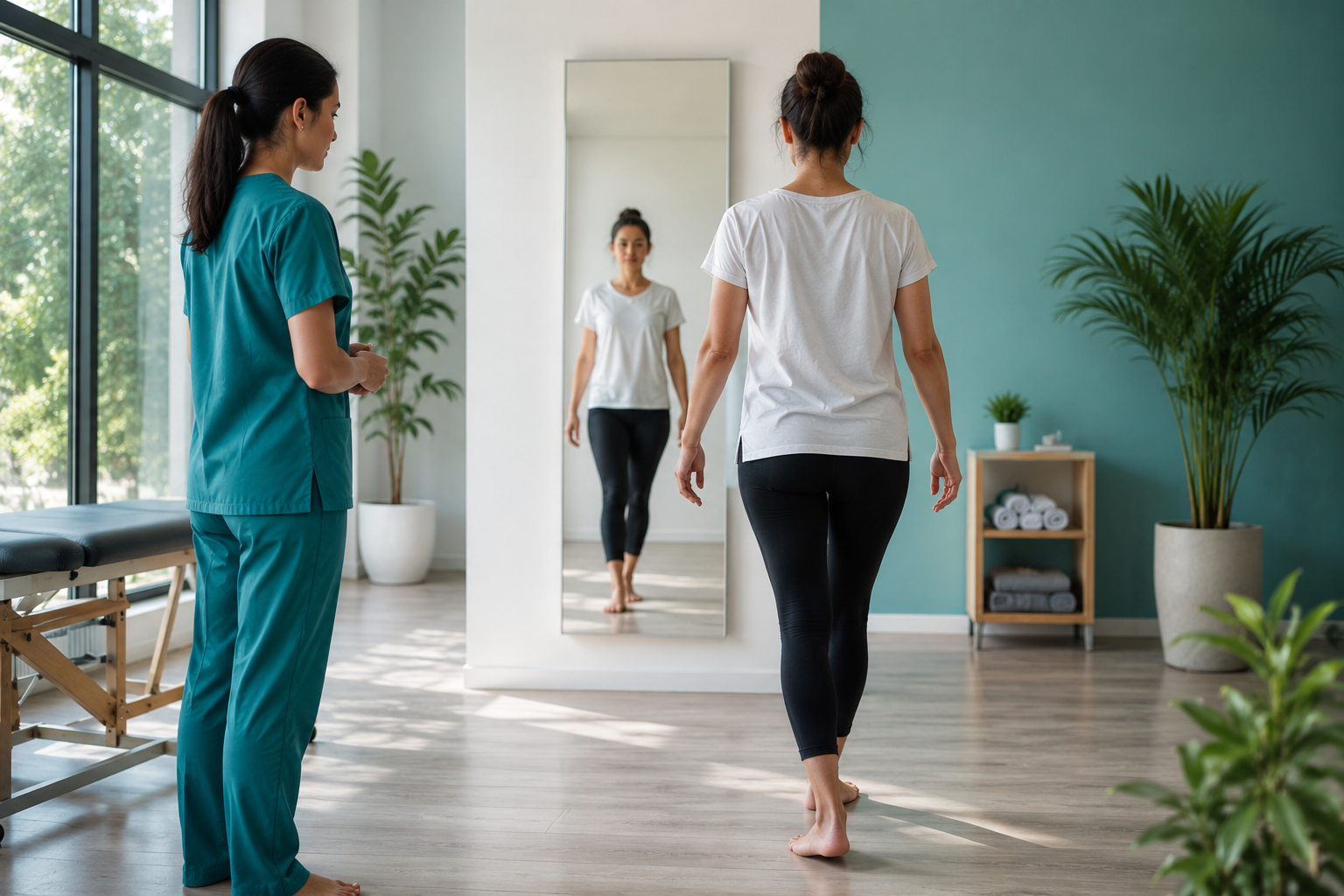
If you’ve been researching posture solutions, you’ve likely come across the debate around the best posture shoes vs barefoot shoes. Both claim to improve alignment, reduce pain, and support better movement—but do they actually fix the root problem?
At first glance, both options seem promising. Posture shoes are designed with arch support and structured soles, while barefoot shoes aim to mimic natural foot movement. However, many people still experience ongoing discomfort, poor posture, or recurring pain—even after switching footwear.
The reason is simple: shoes can influence your posture, but they don’t correct the underlying structural misalignment. To truly understand what works, we need to look beyond footwear and focus on how the body is aligned from the ground up.
Jump To:
TLDR Quick Guide
Best Posture Shoes vs Barefoot Shoes — Quick Breakdown
- Posture shoes provide support but may reinforce existing imbalances.
- Barefoot shoes encourage natural movement but don’t correct structural issues.
- Footwear alone cannot fix long-term posture problems.
- True correction comes from addressing alignment through treatments like Advanced BioStructural Correction.
- Understanding posture habits like proper sitting also plays a role—see best sitting posture.
What Posture Shoes Actually Do
Built-In Support and Stability
Posture shoes are designed to provide arch support, cushioning, and stability. These features can help redistribute pressure and improve comfort during daily activities.
For some individuals, this can reduce strain on the feet and lower body. However, this support often compensates for imbalances rather than correcting them.
The Limitation of External Support
While posture shoes can make you feel more stable, they don’t change how your body is aligned internally. If your spine, hips, or pelvis are misaligned, supportive footwear simply adapts to that structure.
Over time, this can reinforce poor movement patterns rather than fix them.
What Barefoot Shoes Aim to Achieve
Encouraging Natural Foot Function
Barefoot shoes are designed to allow your feet to move more naturally. They promote ground contact, balance, and muscle engagement that traditional shoes may restrict.
This approach can improve foot strength and awareness, especially for individuals transitioning away from heavily cushioned footwear.
Why Natural Movement Isn’t Enough
Although barefoot shoes support natural movement, they still don’t address structural misalignment higher up in the body. If your posture is already compromised, your body will continue to move incorrectly—even without restrictive footwear.
This is why many people switch to barefoot shoes but still experience ongoing pain or posture issues.
Why Neither Option Fully Corrects Alignment
The Body Works as a System
Posture is not just about your feet—it involves your entire body, including your spine, pelvis, and muscular system. Misalignment in one area affects the entire structure.
Shoes only interact with the feet, meaning they cannot correct issues that originate elsewhere in the body.
Symptoms vs Root Cause
Both posture shoes and barefoot shoes address symptoms rather than the root cause. They may reduce discomfort temporarily, but they don’t fix the underlying structural problem.
This is why people often cycle through different footwear options without achieving lasting results.
The Real Cause of Poor Posture and Pain
Structural Misalignment
The primary cause of poor posture is structural misalignment within the body. When the spine, hips, or joints are out of alignment, the body compensates in ways that lead to discomfort and inefficiency.
These compensations can result in chronic issues such as back pain relief challenges, even when using supportive footwear.
Why Traditional Solutions Fall Short
Many conventional approaches focus on managing symptoms—such as using orthotics, improving footwear, or doing exercises. While these can provide temporary relief, they don’t correct the structural imbalance.
Without addressing alignment directly, the problem often returns.
What Actually Works for Long-Term Alignment
Structural Correction Over Compensation
To achieve lasting results, the body’s structure must be corrected—not just supported. This involves addressing the root cause of misalignment rather than masking symptoms.
Approaches like posture correction focus on restoring proper alignment so the body can function naturally.
Advanced Treatment Methods
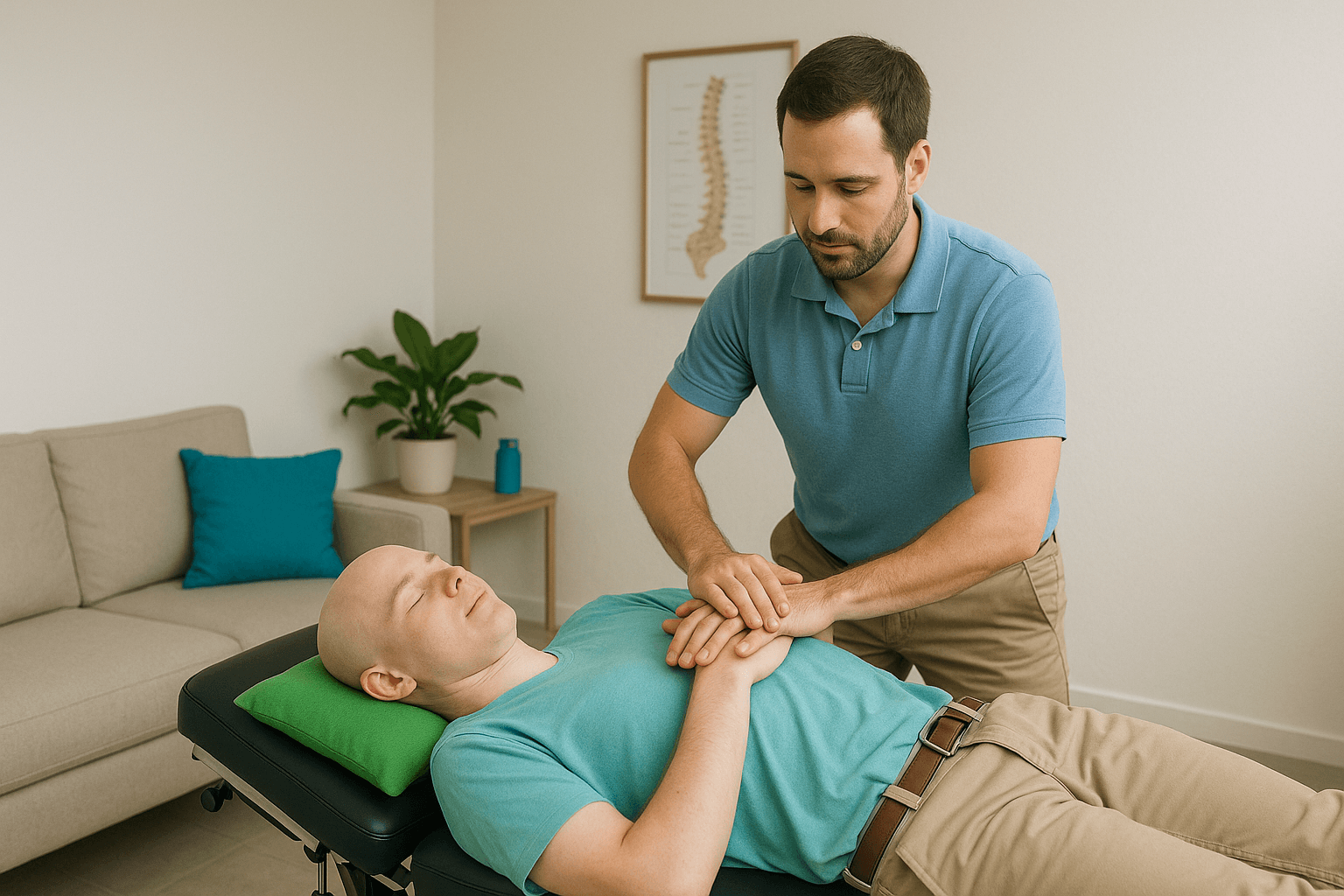
Advanced techniques such as Advanced BioStructural Correction go beyond traditional methods by targeting the underlying structural issues.
These treatments aim to realign the body, allowing it to maintain proper posture without relying on external support.
When Shoes Can Still Be Helpful
Supporting Daily Comfort
While shoes don’t correct alignment, they can still play a role in comfort. Choosing footwear that fits well and supports natural movement can reduce strain during daily activities.
For example, exploring options like best barefoot shoe can help you make informed decisions about what works for your lifestyle.
Complementing Proper Treatment
Shoes should be seen as a complement—not a solution. When combined with proper structural correction, the right footwear can support improved movement and comfort.
The key is understanding their role within a broader approach to posture and alignment.
Key Takeaways
What Actually Improves Alignment
- Shoes can support posture but cannot correct structural misalignment.
- Both posture and barefoot shoes are tools—not solutions.
- Chronic pain often comes from deeper alignment issues, not footwear.
- Long-term improvement requires structural correction, not temporary fixes.
- Addressing the root cause leads to lasting results, not recurring symptoms.
FAQs
Are posture shoes better than barefoot shoes?
Posture shoes provide support, while barefoot shoes encourage natural movement. Neither option is inherently better because they serve different purposes. However, neither fully corrects structural alignment issues.
Can barefoot shoes fix posture problems?
Barefoot shoes can improve foot strength and movement patterns. However, they do not address deeper structural misalignments in the body. Without correcting these issues, posture problems may persist.
Why do I still have pain even after changing shoes?
Pain often originates from structural misalignment rather than footwear. Changing shoes may provide temporary relief but does not fix the root cause. Proper alignment correction is necessary for lasting improvement.
What is the best solution for posture correction?
The most effective solution focuses on correcting the body’s structure. Treatments that address alignment provide long-term results rather than temporary fixes. This approach allows the body to function naturally and efficiently.
Should I stop using posture or barefoot shoes?
Not necessarily—both can still be useful for comfort and daily support. However, they should not be relied on as the primary solution for posture problems. Addressing the root cause is essential for long-term results.