Sinus problems are often treated as isolated issues—blocked passages, inflammation, or infection. But for many people, these symptoms are only part of a much bigger picture.
Standard treatments like sprays, medications, or even surgery can provide short-term relief. However, they don’t always resolve the underlying reasons those symptoms developed in the first place.
That’s why long-term results often feel out of reach.
Jump To:
TLDR Quick Guide
- Most sinus treatments focus on symptoms, not root causes
- Structural issues can contribute to recurring sinus problems
- Temporary relief often leads to repeated cycles
- Posture and alignment may influence breathing and sinus function
- Exploring approaches like endonasal cranial correction can provide a different perspective
Why Traditional Sinus Treatments Fall Short
Symptom Management vs Root Cause
Most sinus treatments are built around reducing inflammation, clearing congestion, or managing infection. While these approaches can help you feel better quickly, they don’t address why the problem keeps happening.
If the underlying issue remains unchanged, symptoms will likely return. This is why many people rely on repeated treatments without seeing lasting improvement.
It becomes a cycle rather than a solution.
The Overlooked Role of Structure
Your Sinuses Don’t Exist in Isolation
The structure of your face, skull, and posture plays a significant role in how your sinuses function. Misalignments can affect airflow, drainage, and overall breathing efficiency.
When these structural factors aren’t addressed, sinus problems can persist even after treatment. This is often why conventional methods don’t provide long-term results.
Understanding this connection is key to seeing the bigger picture.
How Breathing and Posture Are Connected
More Than Just Congestion
Breathing issues are often linked to posture and alignment. Poor posture can influence how air moves through your nasal passages and how effectively your sinuses drain.
This is why some people notice improvements when focusing on alignment rather than just symptom relief. For example, approaches that address posture through posture correction may indirectly impact breathing patterns.
It’s not just about clearing sinuses—it’s about how your body supports proper function.
Why Symptoms Keep Coming Back
The Recurring Cycle
When treatments only target symptoms, the root issue remains untouched. Over time, this leads to recurring congestion, pressure, and discomfort.
Many people end up trying multiple solutions without lasting success. This can be frustrating, especially when each treatment seems promising at first.
Breaking this cycle requires shifting the focus from relief to correction.
A Different Approach to Long-Term Relief
Looking Beyond Temporary Fixes
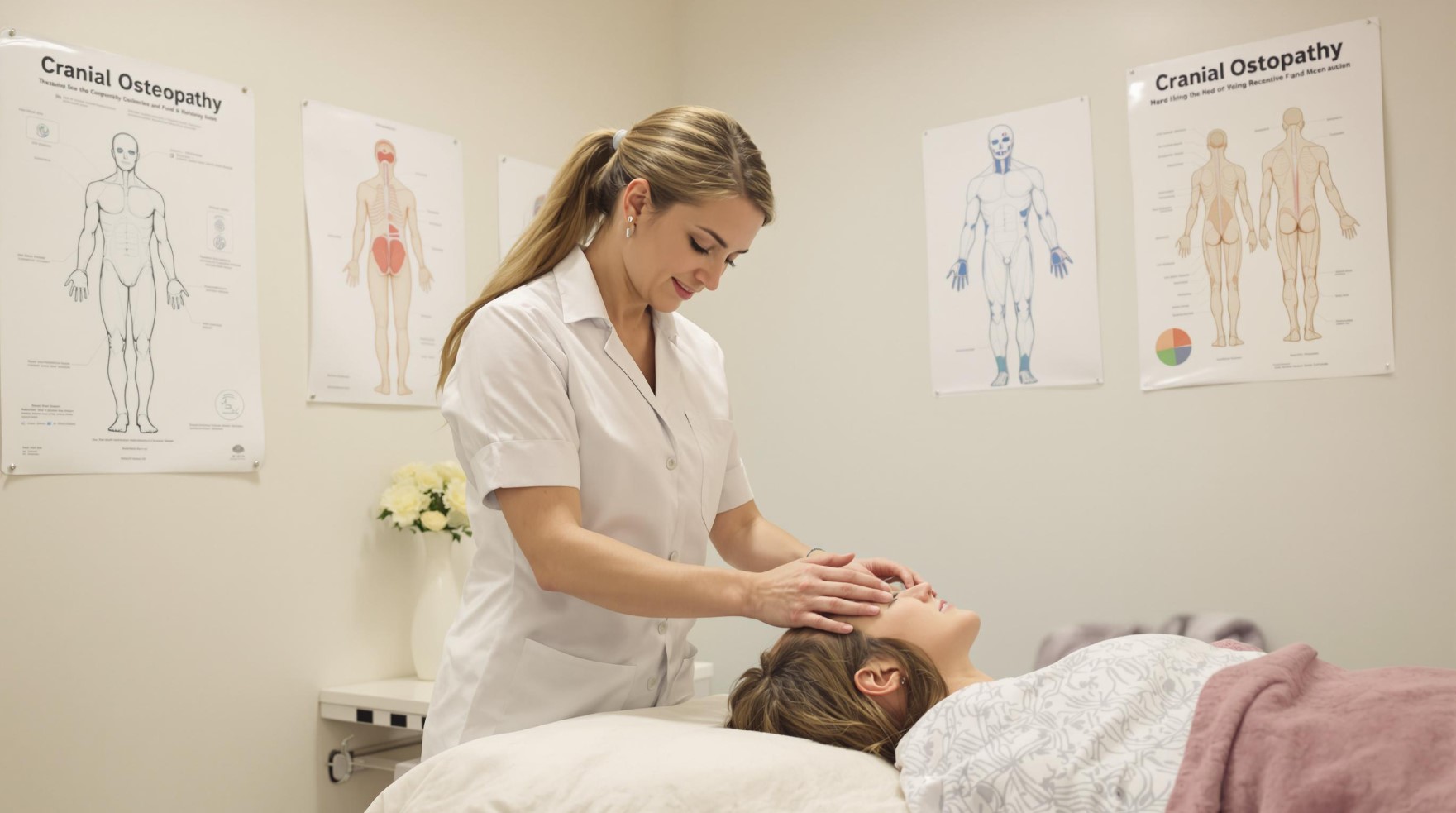
Instead of focusing solely on symptoms, some approaches aim to address structural and functional factors. These methods look at how alignment, airflow, and overall body mechanics interact.
For example, techniques explored in cranial facial release are associated with improving airflow and breathing patterns.
This represents a shift from managing symptoms to exploring deeper causes.
Why Upright Posture Takes a Different Angle
Focus on Structural Correction
Upright Posture emphasizes addressing the root cause of issues rather than temporary symptom relief. Their approach looks at how alignment affects multiple systems, including breathing and sinus function.
By focusing on long-term correction, the goal is to reduce recurring problems rather than manage them repeatedly. This aligns with a more comprehensive view of health.
It’s about changing the foundation—not just the symptoms.
Key Takeaways
- Why sinus treatments don’t work long term often comes down to symptom-focused approaches
- Structural factors can play a major role in recurring sinus issues
- Temporary relief does not equal long-term correction
- Posture and breathing are more connected than most people realize
- Addressing root causes offers a different path to lasting results
FAQs
Why do sinus treatments only work temporarily?
Most treatments focus on reducing symptoms like inflammation or congestion. They don’t address underlying structural or functional issues. This leads to recurring problems over time.
Can posture affect sinus problems?
Yes, posture can influence breathing and airflow. Poor alignment may impact how sinuses drain and function. Improving posture can sometimes support better overall function.
What is the main cause of recurring sinus issues?
Recurring sinus issues often stem from unresolved underlying factors. These can include structural misalignment or chronic inflammation. Treating symptoms alone doesn’t resolve these causes.
Are there alternatives to traditional sinus treatments?
Some approaches focus on structural correction rather than symptom management. These methods aim to improve function at a deeper level. Results vary depending on the individual.
How can I achieve long-term sinus relief?
Long-term relief often requires addressing root causes rather than just symptoms. This may involve looking at posture, alignment, and breathing patterns. A comprehensive approach tends to be more effective.