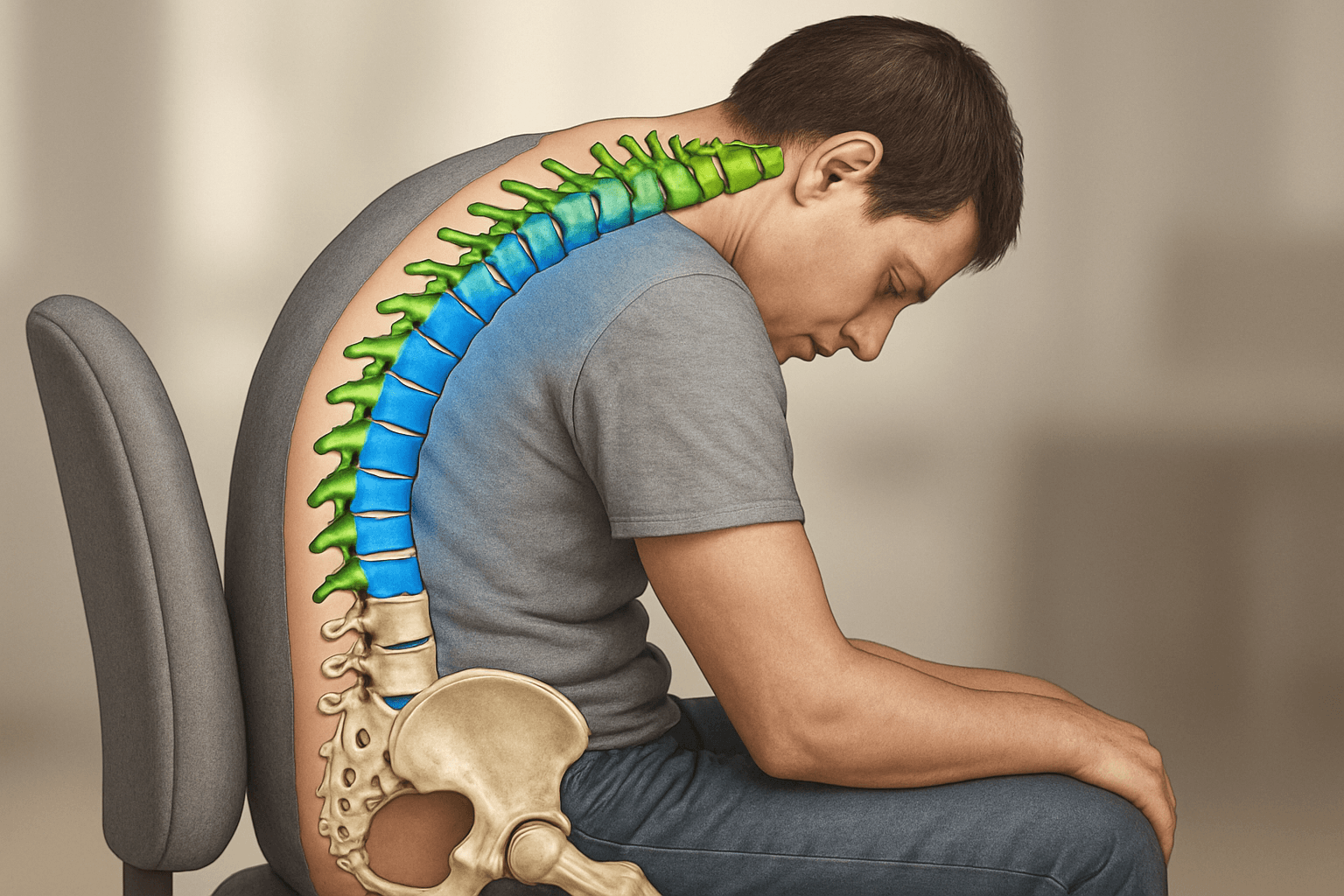
Understanding the untreated cranial misalignment consequences is critical if you’ve been dealing with persistent symptoms that don’t seem to resolve. Many people focus on muscles or joints, but overlook the structural alignment of the skull and its role in overall health.
Cranial misalignment can influence posture, breathing, nervous system function, and long-term pain patterns. When left unaddressed, these issues don’t just stay the same—they often worsen over time.
At clinics like Upright Posture, the focus is on identifying and correcting these structural problems at the root level, rather than repeatedly managing symptoms.
Jump To:
TLDR Quick Guide
Untreated Cranial Misalignment Consequences
- Chronic headaches and migraines
- Poor posture and spinal misalignment
- Breathing and sinus issues
- Nervous system imbalance
- Increased risk of long-term pain conditions
What Is Cranial Misalignment?
A Structural Problem, Not Just a Symptom
Cranial misalignment refers to subtle shifts or imbalances in the bones of the skull. While these changes may seem minor, they can have significant downstream effects on the body.
Because the skull houses and protects the brain while connecting to the spine, even small misalignments can disrupt overall function.
Why It Often Goes Unnoticed
Many people don’t realize they have cranial misalignment because symptoms appear elsewhere—such as headaches, neck pain, or breathing issues.
This disconnect is why traditional treatments often fail to resolve the problem.
How Cranial Misalignment Affects the Body
Impact on Posture and Alignment
The head sits at the top of the spine, meaning its position directly affects posture. When cranial alignment is off, the body compensates, leading to imbalances throughout the spine.
Over time, this can contribute to chronic issues that require more than surface-level treatment, often overlapping with posture correction approaches.
Nervous System Disruption
The nervous system relies on proper structural alignment to function efficiently. Misalignment can create interference, affecting communication between the brain and body.
This can lead to a wide range of symptoms beyond just physical discomfort.
Common Consequences of Leaving Cranial Misalignment Untreated
Chronic Headaches and Migraines
One of the most common outcomes is persistent headaches. Pressure and tension caused by misalignment can trigger recurring pain patterns.
These symptoms often return even after temporary relief.
Breathing and Sinus Issues
Cranial misalignment can affect nasal passages and airflow. This may lead to difficulty breathing, sinus congestion, or reduced oxygen intake.
Techniques like cranial facial release results highlight how structural correction can influence these functions.
Postural Compensation and Spinal Stress
When the skull is misaligned, the rest of the body compensates. This creates uneven stress on the spine, leading to long-term wear and tear.
Over time, this can contribute to chronic pain conditions.
Dizziness and Balance Issues
Imbalances in cranial structure can affect equilibrium and coordination. This may result in dizziness or a sense of instability.
These symptoms are often misunderstood and misdiagnosed, sometimes linked to can bad posture cause dizziness discussions.
Increased Risk of Chronic Pain
Untreated misalignment can lead to ongoing strain in the neck, shoulders, and back. This creates a cycle of recurring pain that becomes harder to resolve over time.
Addressing the root cause early can prevent long-term complications.
Why Traditional Treatments Often Fall Short
Treating Symptoms Instead of Structure
Many treatments focus on relieving pain temporarily without addressing the underlying structural issue. This leads to recurring symptoms.
Without correcting alignment, the problem remains.
Short-Term Relief vs Long-Term Results
Massage, stretching, or medication may provide temporary comfort, but they don’t fix the root cause. This creates a cycle where symptoms keep returning.
Breaking this cycle requires a different approach.
A Structural Approach to Correction
Advanced BioStructural Correction™ (ABC)
At Upright Posture, methods like Advanced BioStructural Correction focus on restoring proper alignment throughout the body.
This approach addresses the cause rather than the symptoms.
Cranial-Specific Techniques
Techniques such as endonasal cranial correction are designed to directly influence cranial alignment.
These methods aim to create lasting structural improvements rather than temporary relief.
Why Early Intervention Matters
Preventing Long-Term Damage
The longer cranial misalignment is left untreated, the more the body compensates. This can lead to more complex issues that require longer recovery times.
Addressing the issue early reduces the risk of chronic problems.
Improving Overall Function
Correcting alignment can improve posture, breathing, and nervous system function. This leads to better overall health and quality of life.
It’s not just about pain relief—it’s about restoring balance.
Key Takeaways
What You Need to Know
- Cranial alignment affects the entire body structure
- Symptoms often worsen if left untreated
- Temporary relief methods don’t address root causes
- Structural correction is key for long-term results
- Early intervention leads to better outcomes
FAQs
What causes cranial misalignment?
Cranial misalignment can result from trauma, poor posture, or repetitive strain. Even minor injuries can affect alignment over time. These changes often go unnoticed until symptoms appear.
Can cranial misalignment fix itself?
In most cases, it does not correct on its own. The body may adapt, but the underlying issue remains. Professional intervention is usually required for proper correction.
What symptoms are linked to cranial misalignment?
Common symptoms include headaches, neck pain, dizziness, and breathing issues. These symptoms can vary depending on the severity. Many are often mistaken for unrelated conditions.
How is cranial misalignment treated?
Treatment typically involves structural correction techniques. Methods like ABC focus on restoring alignment. This approach aims for long-term results rather than temporary relief.
Why do symptoms keep coming back?
Symptoms often return because the root cause hasn’t been addressed. Temporary treatments only manage discomfort. Structural correction is needed to resolve the issue fully.