Most people associate fatigue with lack of sleep, stress, or overwork. While those factors matter, they don’t tell the whole story. Your body’s structure—specifically your posture—directly impacts how efficiently your muscles, joints, and nervous system function.
When posture is compromised, your body compensates constantly. Over time, this leads to energy depletion, muscle strain, and reduced efficiency in basic movements. Understanding the relationship between posture and fatigue can help explain why you feel exhausted even when everything else seems “normal.”
Jump To:
TLDR Quick Guide
How posture and fatigue are connected:
- Poor posture forces muscles to overwork all day
- Misalignment reduces breathing efficiency
- Your nervous system becomes stressed
- Energy is wasted on compensation patterns
- Better posture improves energy and recovery
Fix the structure → improve energy.
How Poor Posture Drains Your Energy
Constant Muscle Overload
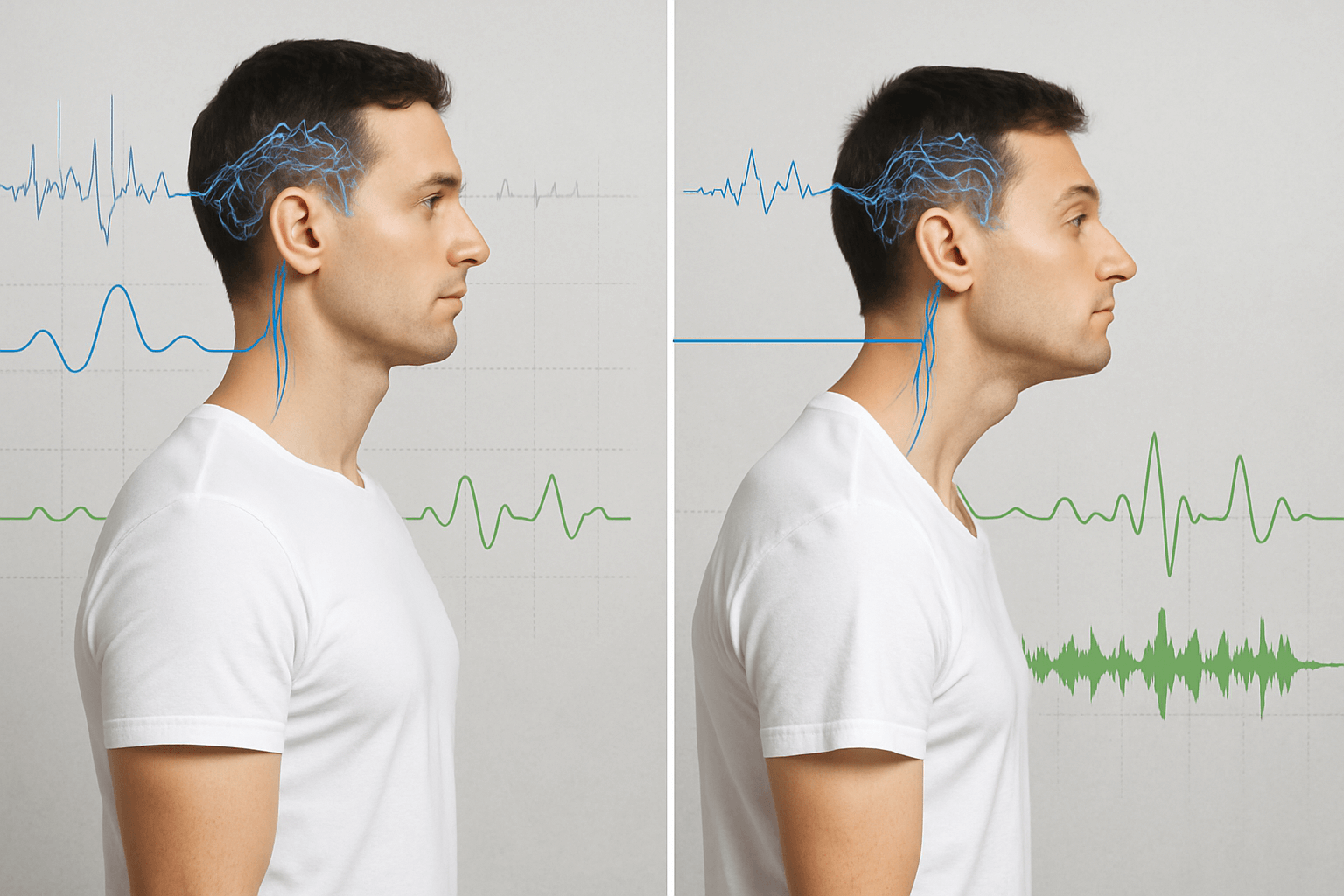
When your posture is misaligned—such as forward head position or rounded shoulders—your muscles are no longer working efficiently. Instead of supporting your body with minimal effort, they must constantly engage to prevent collapse.
This continuous strain leads to muscle fatigue, even if you’re not doing physically demanding work. Over time, your body becomes tired simply from maintaining itself.
Inefficient Movement Patterns
Poor posture changes how your body moves. Simple actions like walking, sitting, or standing require more effort because your structure isn’t optimized.
This inefficiency means you’re using more energy throughout the day, which contributes directly to fatigue.
The Hidden Link Between Posture and Breathing
Restricted Lung Capacity
Slouched posture compresses your chest and diaphragm, limiting how much air you can take in. This reduces oxygen intake, which is essential for energy production.
Less oxygen means your body has to work harder to perform even basic functions.
Shallow Breathing Patterns
Poor posture encourages shallow breathing instead of deep, efficient breaths. This can increase stress levels and reduce overall energy.
Better alignment allows your lungs to expand fully, improving oxygen flow and supporting sustained energy levels.
Posture and Nervous System Fatigue
Increased Stress on the Body
When your body is out of alignment, your nervous system is constantly compensating. It’s working harder to maintain balance, coordination, and stability.
This creates a low-level stress response that contributes to feeling tired, even when you’re not actively exerting yourself.
Reduced Recovery Efficiency
Your body recovers during rest, but poor posture can interfere with that process. Misalignment affects circulation, muscle relaxation, and nervous system regulation.
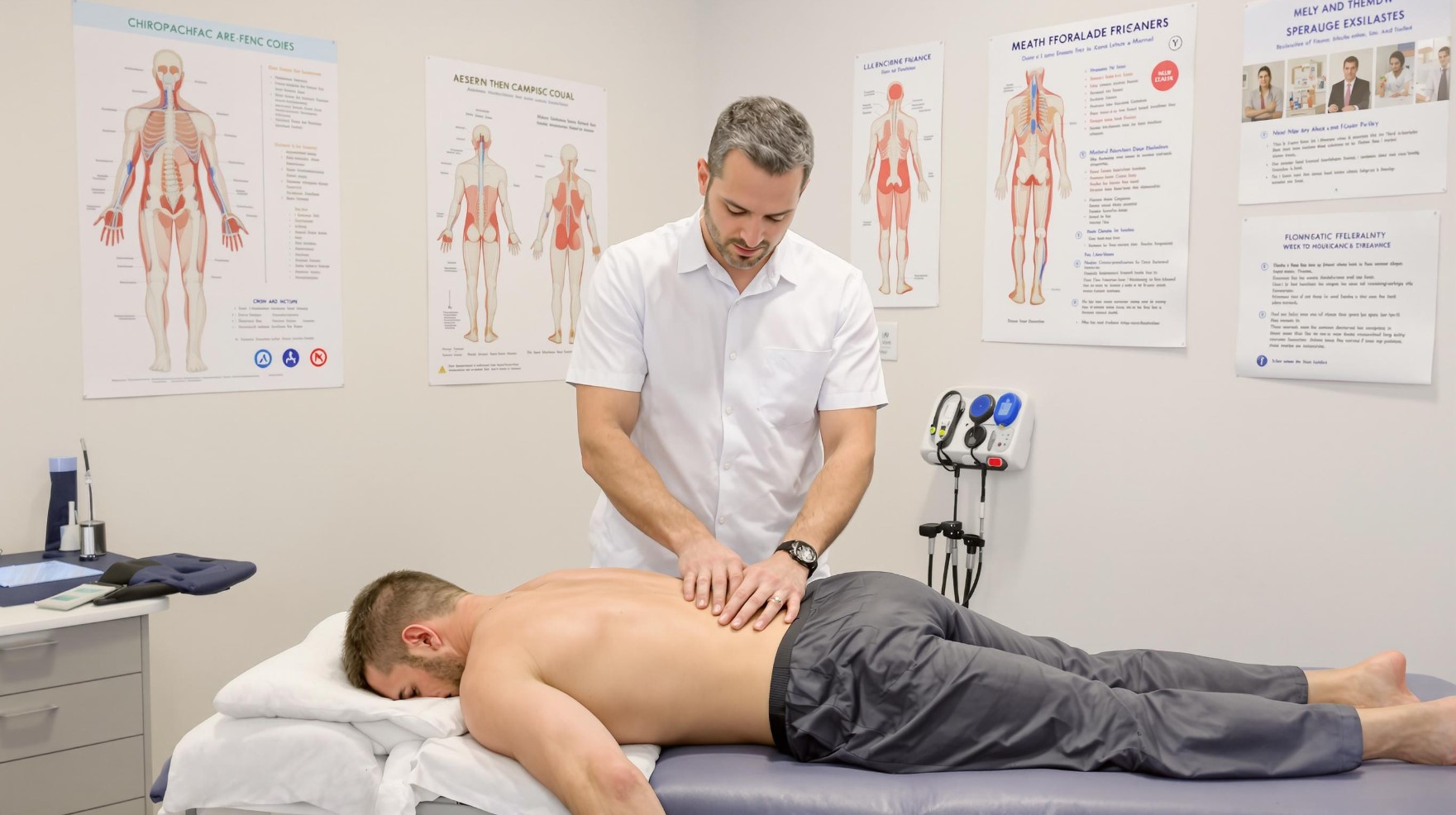
This is why improving structure through Advanced BioStructural Correction can help restore more efficient function and reduce fatigue over time.
Why Sitting All Day Makes It Worse
Prolonged Static Positions
Modern lifestyles involve long hours sitting—often with poor posture. This reinforces misalignment and increases strain on specific muscle groups.
The longer you stay in these positions, the more fatigue builds up.
Compounding Effects Over Time
Postural issues don’t just cause immediate tiredness—they accumulate. Day after day, your body adapts to inefficient patterns, making fatigue more persistent and harder to resolve.
Addressing posture early helps prevent long-term energy issues.
Can Fixing Posture Improve Energy Levels?
Restoring Structural Efficiency
When your body is properly aligned, muscles work less to support your posture. This reduces unnecessary energy expenditure and allows your body to function more efficiently.
Improved alignment can lead to noticeable increases in daily energy.
Better Sleep and Recovery
Posture also affects how well you sleep and recover. Poor alignment can contribute to discomfort, tension, and disrupted sleep patterns.
Research highlighted in this posture and energy case study shows how improving posture can positively impact sleep quality and overall energy levels.
When to Consider Professional Help
Persistent Fatigue Without Clear Cause
If you feel tired despite getting enough rest, eating well, and managing stress, posture may be a contributing factor.
In these cases, addressing structural alignment can provide a missing piece of the puzzle.
Structured Posture Correction
Targeted approaches like posture correction focus on improving alignment at the root level rather than just managing symptoms.
This can lead to long-term improvements in both posture and energy.
Key Takeaways
- Posture and fatigue are closely connected through muscle strain and inefficiency
- Poor posture forces the body to use more energy throughout the day
- Misalignment restricts breathing and reduces oxygen intake
- Nervous system stress from poor posture contributes to tiredness
- Correcting posture can improve energy, recovery, and overall function
FAQs
Can poor posture really cause fatigue?
Yes, poor posture forces your muscles to work harder than necessary. This constant effort drains energy over time. It also affects breathing and nervous system function, which contributes to fatigue.
How does posture affect energy levels?
Posture influences how efficiently your body moves and functions. Misalignment leads to wasted energy and increased muscle strain. Proper alignment allows your body to operate more efficiently.
Can improving posture make you feel more awake?
Yes, better posture can improve oxygen intake and reduce muscle fatigue. This helps your body produce and maintain energy more effectively. Many people notice improved alertness after correcting posture.
How long does it take to see improvements in fatigue?
This varies depending on the severity of the posture issue. Some people notice changes within weeks, while others take longer. Consistency in correction and movement is key.