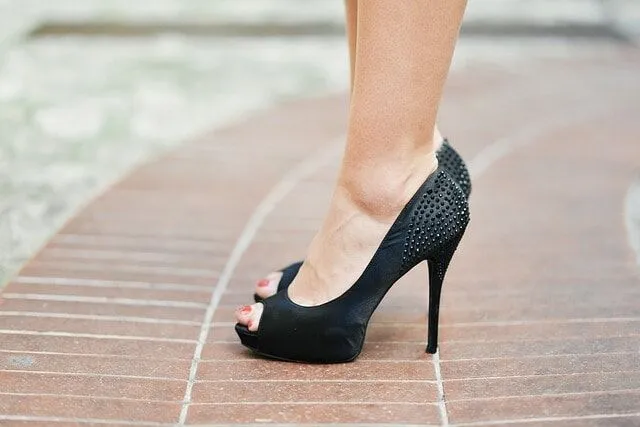
Your feet play a crucial role in your overall posture and health. When your skeleton is misaligned, your feet compensate by working harder, which can lead to foot deformities, ankle sprains, plantar fasciitis, Achilles pain, calf muscle strains, knee problems, and more.
Finding the best shoes for feet and posture is essential for reducing strain on your body, improving movement, and preventing long-term musculoskeletal issues.
Jump To:
TLDR – Quick Guide
- Why are shoes important for posture? Your feet control alignment, balance, and overall comfort.
- What makes a good posture-friendly shoe? A flat, flexible sole with a wide toe box to allow natural foot movement.
- Which brands make the best barefoot shoes? Hobibear, Xero Shoes, Vivo Barefoot, Groundies, and Vibrams.
- Are high heels bad for posture? A small heel (up to 1 inch) can help posture, but anything higher can cause misalignment.
- How do I transition to barefoot shoes? Slowly increase usage while improving posture to avoid strain on the feet and Achilles tendon.
Detailed Breakdown: Why Shoes Matter for Foot Health and Posture
1. How Shoes Affect Posture
Your feet contain sensitive sensors that control movement and balance. If your feet have to overcompensate due to poor posture or improper footwear, they become damaged, painful, and deformed over time.
Common issues caused by poor shoe choices include:
- Foot pain and deformity
- Loss of sensitivity in the feet
- Knee, hip, and lower back pain
- Postural instability and imbalance
The goal is to restore foot function naturally by choosing shoes that allow full foot movement, proper alignment, and optimal posture support.
2. The Best Shoes for Feet and Posture
The best shoes mimic a barefoot experience with:
- Thin, flat, flexible soles
- A wide toe box for natural splay
- Minimal structure for full ankle and foot movement
When walking or running, your feet should be able to feel the ground and adjust naturally. Avoid shoes with thick soles, arch support, or restrictive designs.
3. Best Barefoot Shoes and Sandals
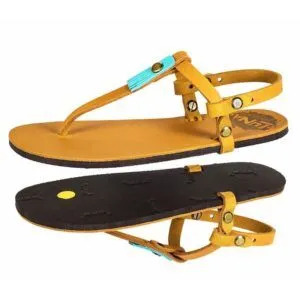
We have found that barefoot shoes and sandals are the best options for maintaining posture and foot health. Recommended brands include:
- Hobibear – Comfortable, affordable, and posture-friendly.
- Xero Shoes – Lightweight and flexible.
- Vivo Barefoot – Great for daily wear and athletic use.
- Groundies – Anatomically designed for posture correction.
- Vibrams – Offers foot-strengthening benefits.
Even flip-flops can be a good option if they have a flat sole and are replaced when worn out. However, rubber shoes like Crocs and memory foam insoles are among the worst offenders for posture-related issues.
4. Should You Wear Heels?
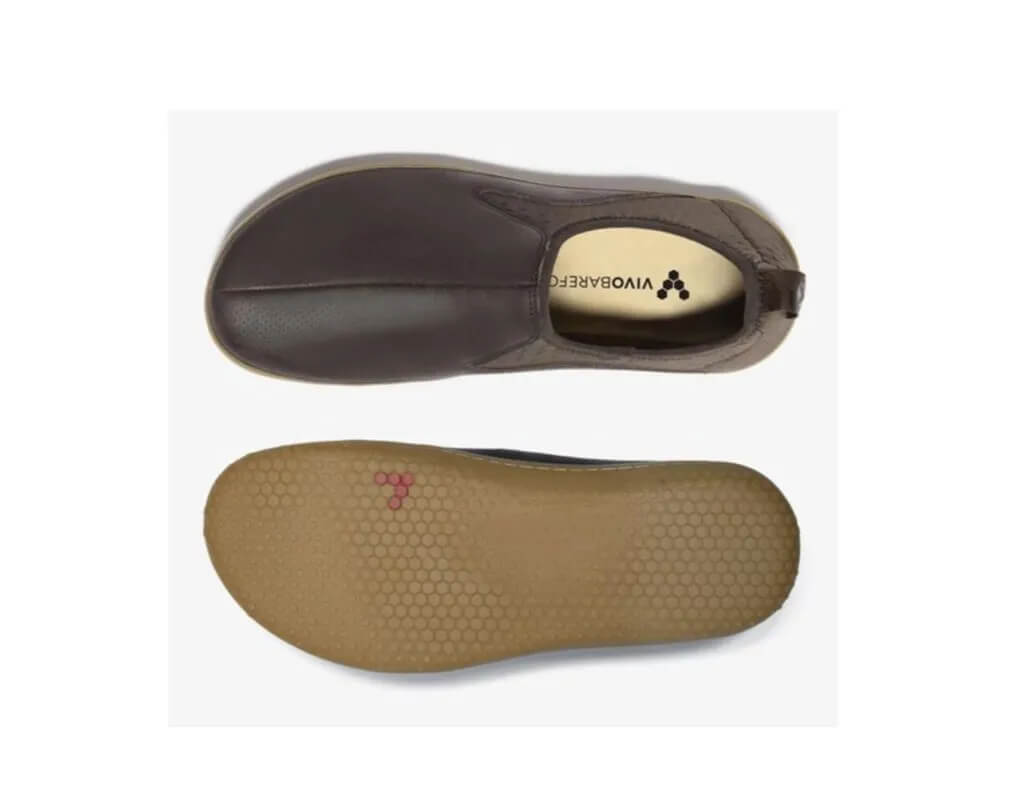
Contrary to popular belief, a small heel (up to 1 inch) can improve posture and reduce muscle tension. However, anything higher forces misalignment, increasing the risk of long-term spinal issues.
5. Barefoot Running Shoes: The Best Choice?
Many runners struggle with barefoot shoes due to excess forward alignment that overloads the calf and foot. Once posture is corrected, barefoot running shoes can enhance movement efficiency and reduce injury risk.
Key Takeaways
- Footwear directly impacts posture, movement, and overall health.
- Barefoot shoes offer the best natural alignment and support.
- Avoid thick, overly cushioned shoes and arch supports.
- A small heel can be beneficial, but high heels should be avoided.
- Transition to barefoot shoes gradually to avoid strain on the feet and legs.
Frequently Asked Questions (FAQs)
1. What are the best shoes for posture correction?
Barefoot shoes such as Hobibear, Xero Shoes, Vivo Barefoot, and Groundies provide the best support for natural posture alignment.
2. Can bad shoes cause foot pain and deformities?
Yes. Shoes that restrict movement or provide artificial arch support can lead to pain, weakness, and long-term deformities.
3. Are memory foam and soft-soled shoes bad for posture?
Yes. While they may feel comfortable, soft-soled shoes force your body into unnatural compensation patterns, worsening posture over time.
4. How do I transition to barefoot shoes?
Start by wearing them for short periods, gradually increasing usage while improving posture and movement patterns.
5. Do high heels damage your posture?
A low heel (under 1 inch) can be beneficial, but high heels force misalignment and increase the risk of musculoskeletal issues.
By choosing the right footwear, you can restore posture, eliminate pain, and improve overall movement efficiency. If you want to correct foot deformities and improve balance, start wearing the best shoes for feet and posture today!