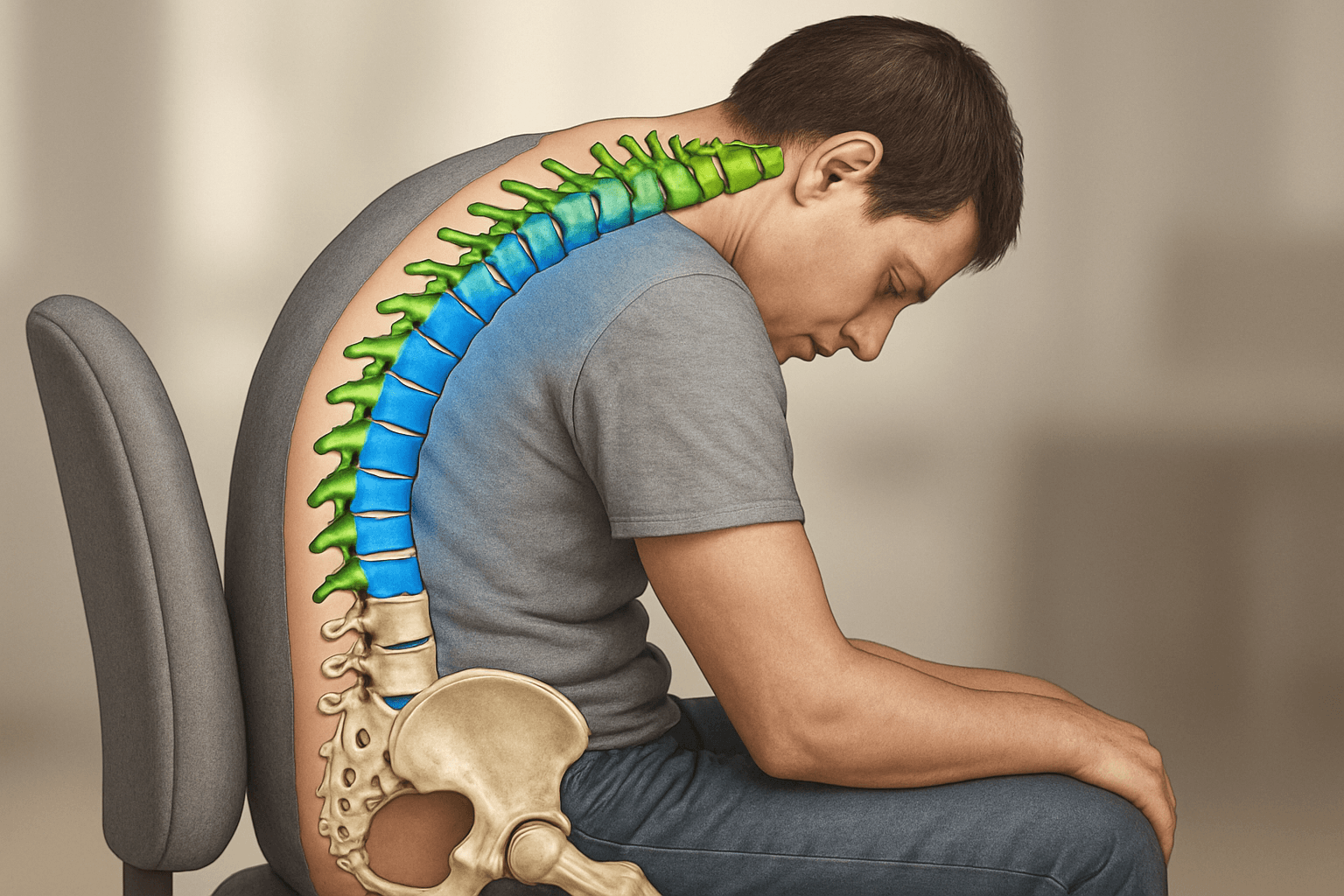
Most people notice small differences in their body—one shoulder slightly higher, one hip tighter, or uneven posture in the mirror. But is body asymmetry something to worry about, or is it completely normal?
The truth is, some level of asymmetry exists in everyone. However, when these imbalances become more noticeable or start affecting movement, comfort, or performance, they may point to deeper structural issues.
Understanding the difference between normal variation and structural imbalance is key to preventing long-term problems and improving overall function.
Jump To:
TLDR Quick Guide
- Mild body asymmetry is normal
- Significant asymmetry may indicate structural imbalance
- Posture plays a major role
- Compensation patterns worsen over time
- Structural correction helps restore balance
What Is Body Asymmetry?
Natural Differences in the Body
Body asymmetry refers to differences between the left and right sides of the body.
This can include uneven shoulders, hips, or muscle development. These variations are common and often harmless when they don’t affect how your body functions.
When Asymmetry Becomes a Problem
Asymmetry becomes an issue when it affects movement, posture, or causes discomfort.
This is usually when deeper structural imbalance is involved rather than simple variation.
Is Body Asymmetry Normal?
Yes—But Only to a Point
No one is perfectly symmetrical.
Daily habits, posture, and movement patterns all create small imbalances. These are generally harmless unless they begin to affect your body’s mechanics.
When It Signals Structural Imbalance
If asymmetry is increasing or causing issues, it may indicate a structural problem.
This is where professional assessment becomes important, especially through clinics like Upright Posture clinic that focus on correcting alignment at the root level.
Signs Your Body Asymmetry Is Not Normal
Uneven Shoulders or Hips
Consistently uneven shoulders or hips can indicate misalignment.
This affects how your body distributes weight and maintains balance.
Recurring Pain on One Side
Pain that keeps returning on one side is often caused by compensation.
Your body is overworking certain areas to make up for imbalance.
Reduced Mobility on One Side
If one side feels tighter or less mobile, asymmetry may be affecting joint function.
This can limit performance and increase injury risk.
Visible Postural Shifts
Leaning, tilting, or uneven standing posture are signs of deeper imbalance.
These changes usually develop gradually over time.
What Causes Structural Imbalance?
Compensation Patterns
When one area is misaligned, other parts of the body compensate.
This creates a chain reaction that worsens asymmetry over time.
Poor Postural Habits
Sitting for long periods, poor ergonomics, and repetitive movement patterns all contribute.
Over time, these habits reshape your posture.
Underlying Structural Conditions
Conditions like spinal misalignment or scoliosis can create visible asymmetry.
If this is suspected, exploring scoliosis treatment options can help determine the root cause.
Why Body Asymmetry Shouldn’t Be Ignored
It Progresses Over Time
Small imbalances rarely stay small.
They tend to worsen as the body continues to compensate.
It Affects Function, Not Just Appearance
Asymmetry impacts movement, balance, and even breathing.
It’s not just cosmetic—it’s functional.
How to Fix Structural Imbalance
Address Alignment First
Stretching and strengthening alone won’t fix structural issues.
You need to correct alignment at its source through targeted approaches like posture correction treatment.
Correct the Root Cause
True change happens when the structure of the body is corrected.
Approaches such as Advanced BioStructural Correction focus on restoring alignment and eliminating compensation patterns.
Reinforce Proper Movement
Once alignment improves, proper movement patterns must be maintained.
This ensures long-term results instead of temporary relief.
Why Many People Choose Structural Correction
Clinics like Upright Posture clinic focus on long-term solutions rather than short-term symptom relief.
Their approach addresses:
- Structural alignment
- Postural correction
- Functional improvement
This leads to more sustainable and noticeable results over time.
Key Takeaways
- Body asymmetry is normal in small amounts
- Significant imbalance often signals structural issues
- Compensation patterns worsen asymmetry over time
- Posture plays a critical role in body alignment
- Structural correction provides long-term improvement
Frequently Asked Questions
Is body asymmetry normal?
Yes, mild asymmetry is completely normal. Most people have slight differences between sides. It becomes a concern when it affects movement or causes discomfort.
Can body asymmetry be corrected?
Yes, especially when caused by structural imbalance. Addressing alignment can significantly improve symmetry. Early treatment produces better results.
Does asymmetry always cause pain?
Not always, but it increases the risk over time. Many people only notice pain once imbalance progresses. Early correction helps prevent this.
What causes body asymmetry?
It’s usually caused by posture, habits, and compensation patterns. Structural issues can also contribute. These factors build over time.
When should I seek help?
If asymmetry is noticeable or worsening, it’s time to get assessed. Early intervention prevents long-term issues. Professional evaluation identifies the root cause.