Footwear plays a larger role in posture and spinal health than many people realise. Every step you take transfers force through the feet, legs, hips, and ultimately the spine. When shoes lack proper support or alter natural alignment, they can influence how the body distributes weight and absorbs impact.
Flat shoes often have minimal cushioning and limited arch support. While this may feel comfortable initially, prolonged use can sometimes change walking mechanics, placing strain on muscles and joints that stabilise the spine. Over time, this strain can contribute to discomfort in the lower back, hips, or neck.
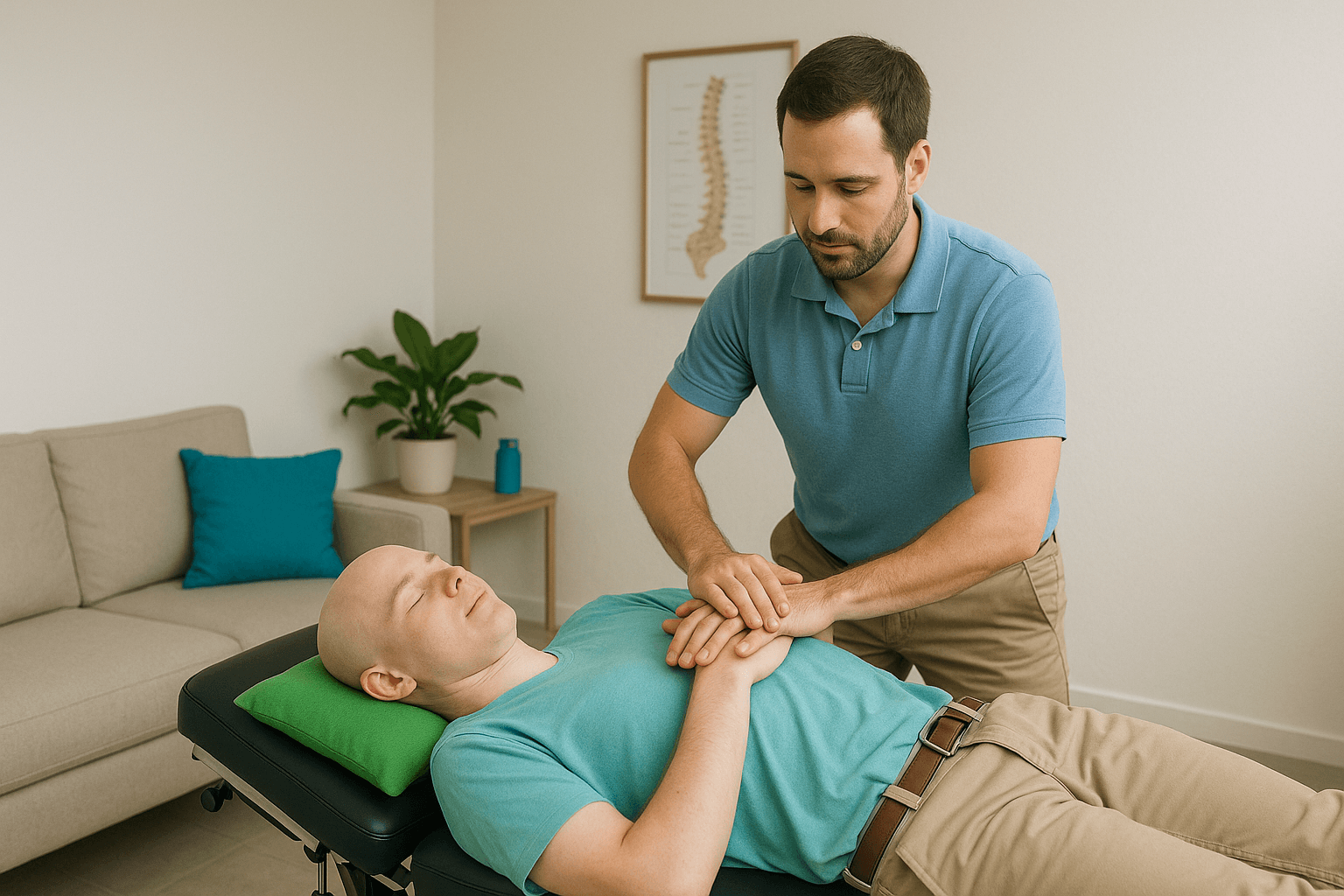
People experiencing persistent posture-related pain often explore structural approaches to treatment. For example, therapies such as Advanced BioStructural Correction aim to address underlying structural imbalances that may contribute to chronic discomfort rather than simply masking symptoms.
Understanding the relationship between footwear, posture, and spinal alignment is the first step toward preventing long-term issues.
Jump To:
TLDR Quick Guide
- Flat shoes can sometimes contribute to back pain if they lack arch support or cushioning.
- Poor foot support may affect walking mechanics and spinal alignment.
- Long-term use of unsupported footwear can strain muscles in the lower back and hips.
- Improving posture and choosing supportive footwear can help reduce discomfort.
- Learning about posture correction strategies can also help address underlying alignment issues.
How Flat Shoes Can Affect Your Spine
The Link Between Foot Mechanics and Back Pain
The human body functions as a connected kinetic chain. When one part of the body changes position or function, it often affects other areas. The feet form the foundation of this chain, meaning even small changes in foot support can influence posture higher up in the body.
Flat shoes often lack structured arch support, which may cause the foot to roll inward slightly while walking. This movement, known as overpronation, can affect knee alignment and place extra strain on the hips and lower back.
When these compensations occur repeatedly during daily activities such as walking or standing, the muscles that stabilise the spine may become overworked. Over time, this can contribute to stiffness, fatigue, or chronic back pain.
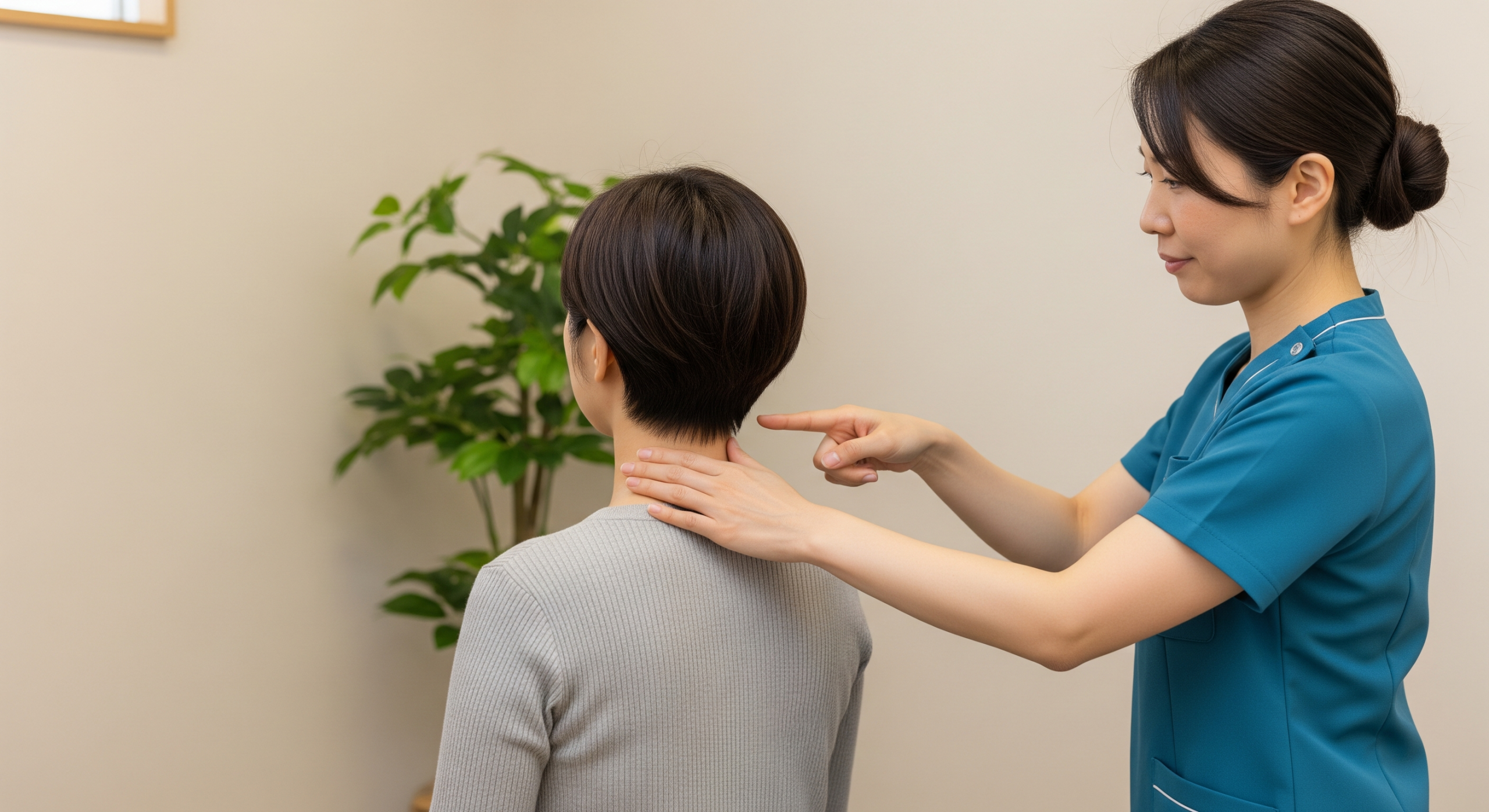
For people already dealing with structural imbalances, footwear choices can amplify existing problems. Some individuals also experience related issues such as neck discomfort, which may require targeted approaches like treatments designed for neck pain relief.
Common Signs Your Shoes May Be Contributing to Pain
Symptoms Linked to Poor Foot Support
Not everyone who wears flat shoes will develop back pain. However, certain symptoms may indicate that footwear is affecting posture and body mechanics.
One common sign is lower back fatigue after long periods of walking or standing. Because flat shoes absorb less shock than supportive footwear, the body must compensate for the increased impact forces.
Another symptom is tightness in the hips or calves. When foot alignment changes, muscles higher up the body may adapt by tightening or overworking. This can create tension patterns that eventually lead to discomfort in the back.
Some people also experience recurring headaches or upper-body tension caused by poor posture. In these cases, structural imbalances affecting the spine may require treatments focused on areas such as headache and migraine relief.
Recognising these warning signs early allows individuals to address potential problems before they develop into chronic pain.
What You Can Do to Reduce Back Pain
Improving Support and Postural Alignment
If you suspect your shoes may be contributing to back discomfort, several strategies can help reduce strain on the body.
First, consider choosing footwear that provides proper arch support and cushioning. Shoes designed with ergonomic support can help distribute weight more evenly and reduce stress on the spine.
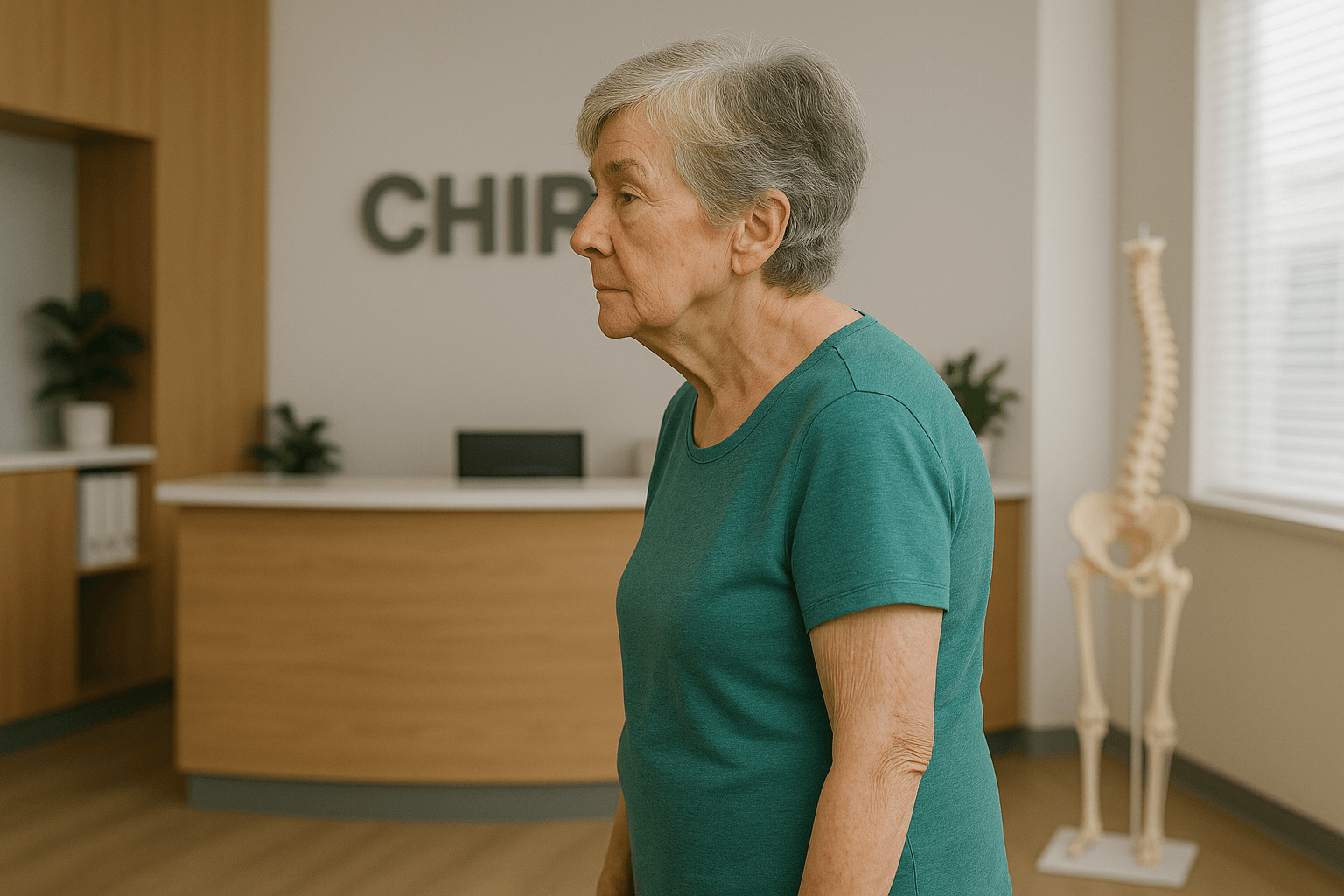
Second, pay attention to posture during daily activities. Maintaining proper alignment while walking and standing helps prevent unnecessary pressure on the lower back.
Third, address underlying structural imbalances that may be affecting the spine. In some cases, chronic posture issues require professional evaluation and targeted treatment to correct the root cause rather than just the symptoms.
Some individuals also explore footwear designed to support natural foot movement while maintaining proper alignment, such as those discussed in the guide on barefoot shoes for foot pain and alignment.
Combining supportive footwear with proper posture and structural care can significantly reduce the likelihood of long-term discomfort.
Key Takeaways
- Flat shoes are not always harmful, but lack of support may affect posture.
- Poor foot alignment can influence the entire kinetic chain, including the spine.
- Over time, unsupported footwear may contribute to lower back strain.
- Supportive shoes and posture awareness can help reduce discomfort.
- Addressing structural imbalances may provide long-term relief.
FAQs
Can flat shoes really cause back pain?
Yes, flat shoes can contribute to back pain if they lack proper support or cushioning. Without adequate arch support, the feet may roll inward during walking, affecting overall alignment. Over time, this can place additional strain on the hips and lower back.
Are flat shoes worse than high heels for back pain?
Both types of footwear can cause problems depending on their design. High heels shift body weight forward and alter spinal alignment, while unsupported flat shoes may provide insufficient arch support. The best option is footwear that supports natural foot mechanics and posture.
How do I know if my shoes are causing my back pain?
If back pain increases after walking or standing for long periods in certain shoes, footwear may be contributing to the problem. Other signs include foot fatigue, hip tightness, or poor posture while walking. Evaluating footwear support and posture can help identify the cause.
What type of shoes are best for preventing back pain?
Shoes that provide arch support, cushioning, and proper heel stability are generally better for spinal health. Footwear that allows natural movement while maintaining alignment can help reduce strain on the body. Comfort, fit, and support should all be considered when choosing shoes.