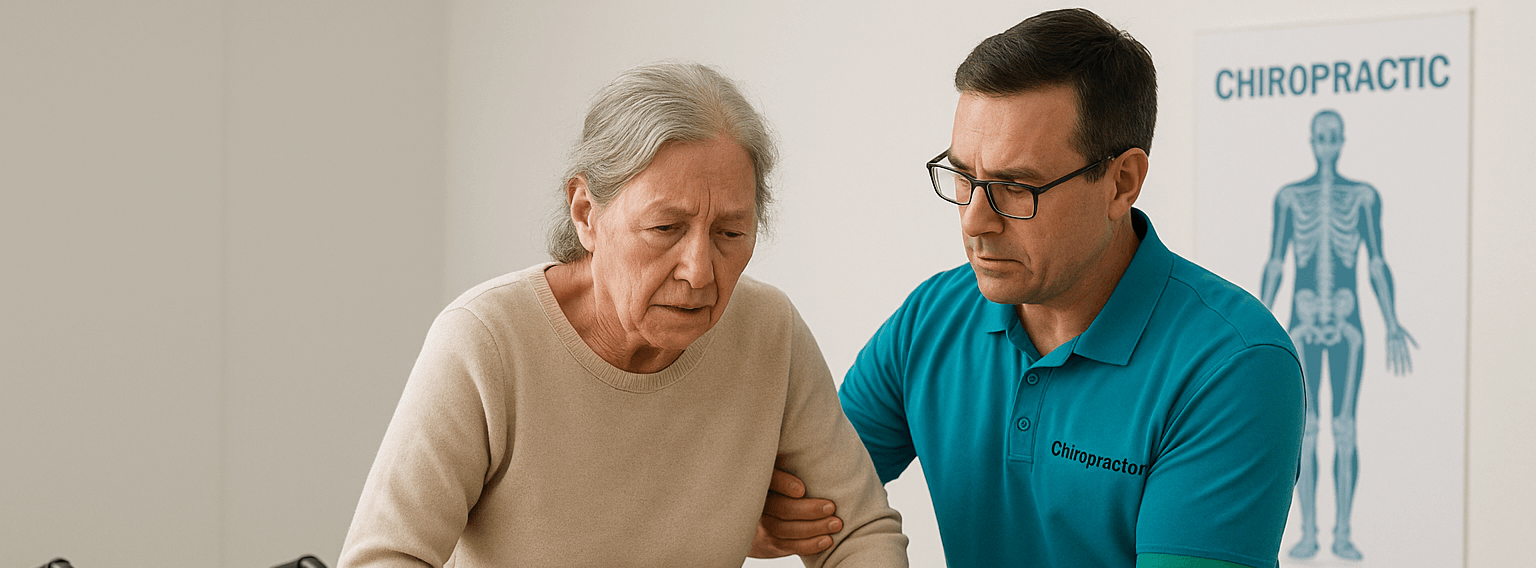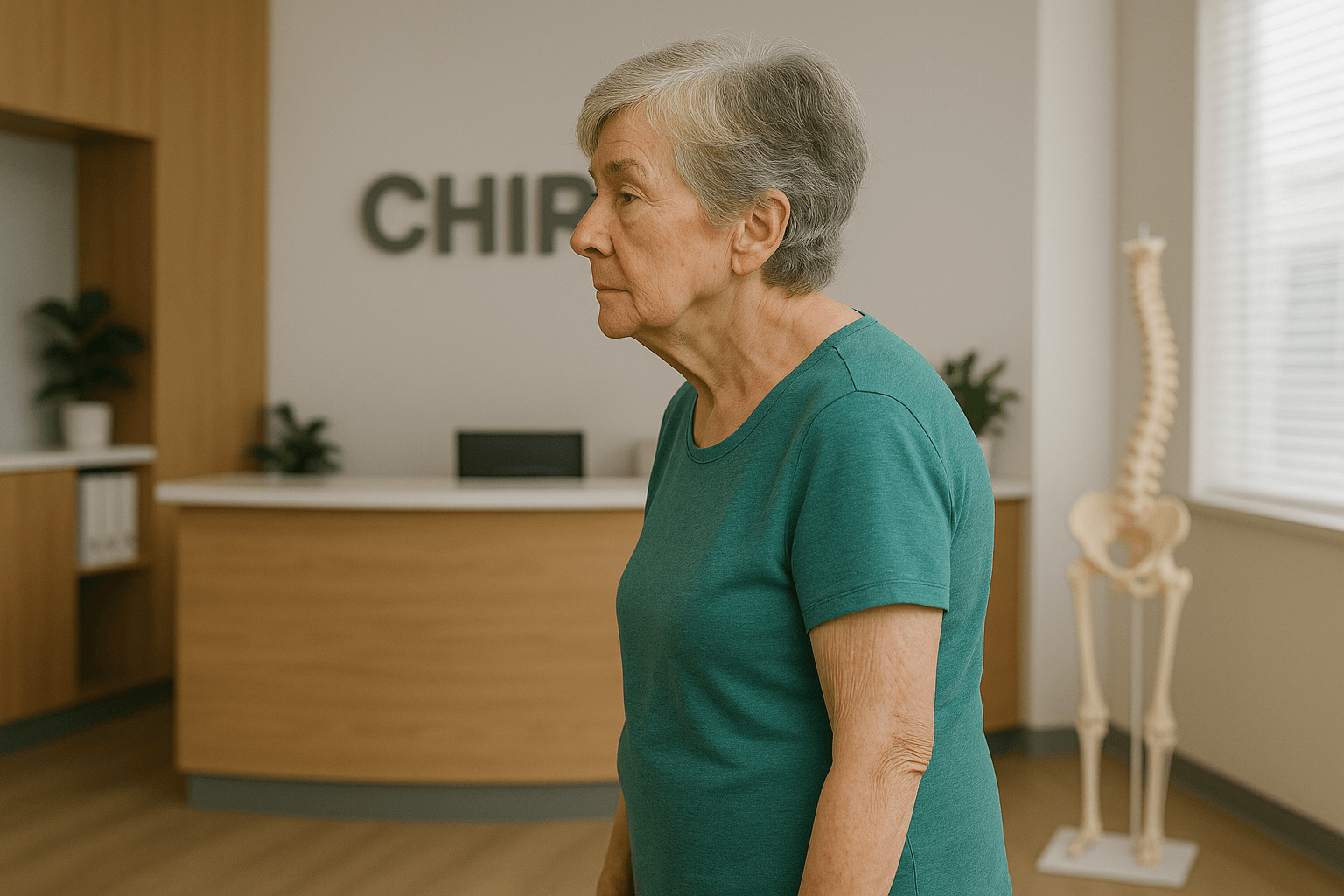
Why Head Injuries Can Create Long-Term Posture Issues
After a head injury, your body instinctively adapts to protect itself. These adaptations may involve subtle shifts in alignment, muscle tension, and movement patterns.
Over time, these compensations can lead to structural imbalance. This is why many people who have experienced trauma later require targeted posture correction rather than just symptom-based treatment.
The problem isn’t always the injury itself—it’s how the body adjusts afterward.
Jump To:
- TLDR Quick Guide
- How Head Injuries Affect Body Alignment
- Why Symptoms Don’t Show Up Immediately
- The Role of Cranial Misalignment
- Compensation Patterns That Worsen Over Time
- Common Symptoms Linked to Post-Injury Posture Problems
- Why Traditional Treatments Often Fall Short
- How Structural Correction Improves Posture
- Key Takeaways
- FAQs
TLDR Quick Guide
Quick Insights on Head Injury and Posture
- Head injuries can disrupt spinal alignment
- The body compensates, creating imbalance
- Symptoms may appear months or years later
- Traditional treatments often miss the root cause
- Structural correction is key for long-term improvement
How Head Injuries Affect Body Alignment
The Connection Between the Skull and Spine
Your head sits at the top of your spine, meaning any disruption can influence the entire structure below it. When trauma occurs, even slight shifts can alter how your body distributes weight and maintains balance.
This often leads to:
- uneven posture
- muscle compensation
- restricted movement
These changes are rarely obvious at first, but they build over time.
Why Symptoms Don’t Show Up Immediately
Delayed Effects After Trauma
One of the biggest challenges is that posture problems don’t always appear right away. Your body compensates effectively in the short term, masking underlying issues.
Months or even years later, people may start experiencing:
- chronic neck tension
- headaches
- lower back pain
- reduced mobility
This delayed onset is why many don’t connect their posture issues to a previous injury.
The Role of Cranial Misalignment
How the Skull Impacts Posture
Head injuries can affect the alignment of cranial structures, which in turn influences posture and balance. When this alignment is off, it can create a chain reaction throughout the body.
Techniques like ABC endonasal cranial correction are designed to address these deeper structural issues, focusing on restoring proper alignment at the source.
Correcting cranial positioning can significantly improve overall posture and function.
Compensation Patterns That Worsen Over Time
Why the Body Adapts in the Wrong Way
When alignment is disrupted, your body compensates to maintain balance. These compensations often involve:
- shifting weight unevenly
- tightening certain muscle groups
- weakening others
Over time, these patterns become the new normal, making posture issues harder to correct without targeted intervention.
Common Symptoms Linked to Post-Injury Posture Problems
What to Watch For
Posture issues related to head injuries can show up in several ways, including:
- persistent neck pain
- recurring headaches
- shoulder stiffness
- balance issues
In some cases, symptoms like dizziness can also appear, which is explored further in can bad posture cause dizziness.
These symptoms often indicate deeper structural imbalances.
Why Traditional Treatments Often Fall Short
Treating Symptoms vs Fixing the Cause
Many conventional approaches focus on managing symptoms rather than correcting the underlying issue. This can provide temporary relief but doesn’t address the structural imbalance.
Without correcting alignment:
- symptoms return
- posture continues to worsen
- long-term damage may develop
This is why a root-cause approach is essential.
How Structural Correction Improves Posture
Addressing the Root of the Problem
Effective treatment focuses on restoring alignment rather than masking symptoms. Methods like Advanced BioStructural Correction™ aim to:
- realign the spine
- reduce compensation patterns
- improve overall function
This approach supports lasting improvements instead of temporary fixes.
Key Takeaways
What You Need to Understand
- Head injuries can disrupt posture long after the event
- The body compensates, creating long-term imbalance
- Symptoms may appear much later
- Treating the root cause is essential for lasting results
- Structural correction provides the most effective solution
Understanding can head injury affect posture helps you identify the real cause behind persistent discomfort and take the right steps toward improvement.
FAQs
Can a minor head injury affect posture?
Yes, even minor injuries can impact alignment. The body compensates to protect itself, which can create imbalance. Over time, these changes may lead to posture issues.
How long after a head injury can posture problems appear?
Posture problems can develop months or even years later. The body often hides issues initially through compensation. Symptoms typically appear once those compensations fail.
What are the most common symptoms?
Common symptoms include neck pain, headaches, and stiffness. Some people also experience dizziness or balance issues. These symptoms often indicate underlying misalignment.
Can posture be corrected after a head injury?
Yes, posture can be improved with the right approach. Structural correction methods focus on addressing the root cause. This leads to more lasting results than symptom-based treatments.
Why do traditional treatments not fully fix the issue?
Many treatments focus only on relieving pain. They don’t address the structural imbalance causing the problem. Without correcting alignment, symptoms are likely to return.