We’re in a world obsessed with comfort—memory foam mattresses, ergonomic chairs, and yes, ergonomic shoes. While these products can support how we move and feel, they often mask symptoms rather than solve root problems.
If you’ve been told that orthopedic shoes or ergonomic footwear can “correct” your posture or spinal alignment, it’s time for a reality check. The right shoes can help your feet feel better—but they can’t realign your spine, pelvis, or nervous system. Let’s break down what ergonomic shoes actually do, where their limitations lie, and what truly fixes posture from the ground up.
Jump To:
- TLDR – Quick Guide
- The Rise of Ergonomic Shoes
- What Good Shoes Can Do
- Why Ergonomic Shoes Can’t Fix Structural Misalignment
- What Actually Fixes Alignment: Advanced BioStructural Correction™
- When Shoes Can Help (and When They Can’t)
- Related Conditions That Require More Than Shoes
- Key Takeaways
- Frequently Asked Questions About Ergonomic Shoes
TLDR – Quick Guide
- Ergonomic shoes support foot comfort, not full-body alignment
- Barefoot shoes offer more postural benefits than cushioned, restrictive footwear
- Structural misalignment can’t be corrected with any shoe—it requires Advanced BioStructural Correction™ (ABC™)
- Ergonomic products can complement care, but they are not the solution
The Rise of Ergonomic Shoes
Ergonomic shoes are designed to support the natural shape and movement of the foot. Features often include:
- Arch support
- Cushioned insoles
- Shock-absorbing soles
- Raised heels or rocker-bottom designs
These features aim to reduce joint stress and foot fatigue—especially helpful for people who stand all day. Ergonomic footwear is frequently recommended for those with foot pain, plantar fasciitis, or lower back discomfort.
But here’s the kicker: comfort isn’t correction.
Arch supports and cushioning don’t strengthen foot muscles—they often make them weaker over time. And when your feet aren’t working properly, your posture suffers, especially at the ankles, knees, hips, and pelvis.
What Good Shoes Can Do
We’re not saying footwear doesn’t matter—it absolutely does.
The best shoes for posture are barefoot-style shoes, which allow the foot to function naturally. According to Upright Posture’s own guide to the best barefoot shoes, the ideal shoe should have:
- A flat (zero-drop) sole
- A wide toe box that lets your toes splay naturally
- A thin, flexible sole to engage muscles and promote ground feedback
- No arch support or heel elevation
These features promote stronger foot mechanics, better balance, and improved posture from the ground up. So yes, footwear matters—but it still doesn’t fix alignment.
Why Ergonomic Shoes Can’t Fix Structural Misalignment
Here’s the truth most podiatrists and footwear brands won’t tell you: misalignment is a full-body problem. You can’t correct structural collapse with shoes alone.
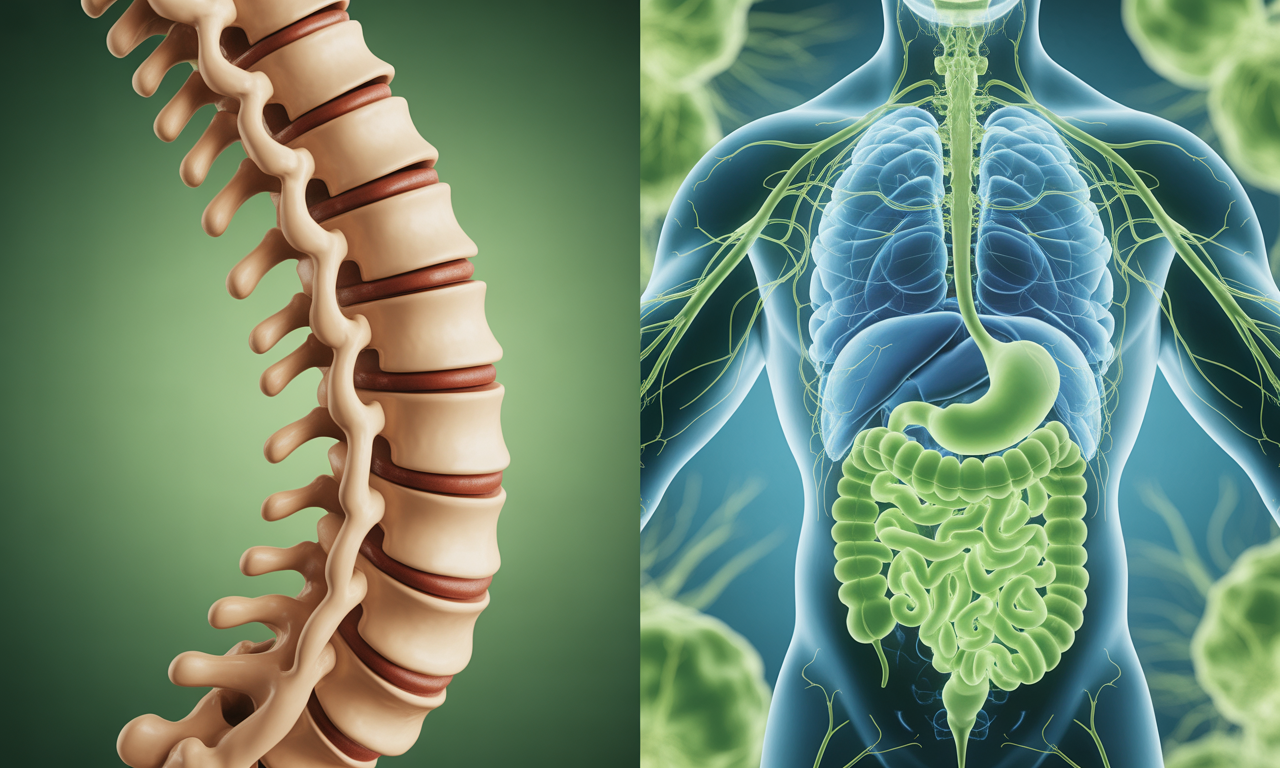
Structural misalignment happens when bones in your body shift out of place in ways the body can’t self-correct. This leads to:
- Slouching or forward head posture
- Uneven hips or leg length
- Tight hamstrings and back pain
- Tension in the neck, shoulders, and jaw
- Altered nerve function affecting digestion, breathing, and sleep
No matter how ergonomically designed your shoes are, they can’t push bones back into place. What you need is something that corrects posture from top to bottom—like Advanced BioStructural Correction™ (ABC™).
What Actually Fixes Alignment: Advanced BioStructural Correction™
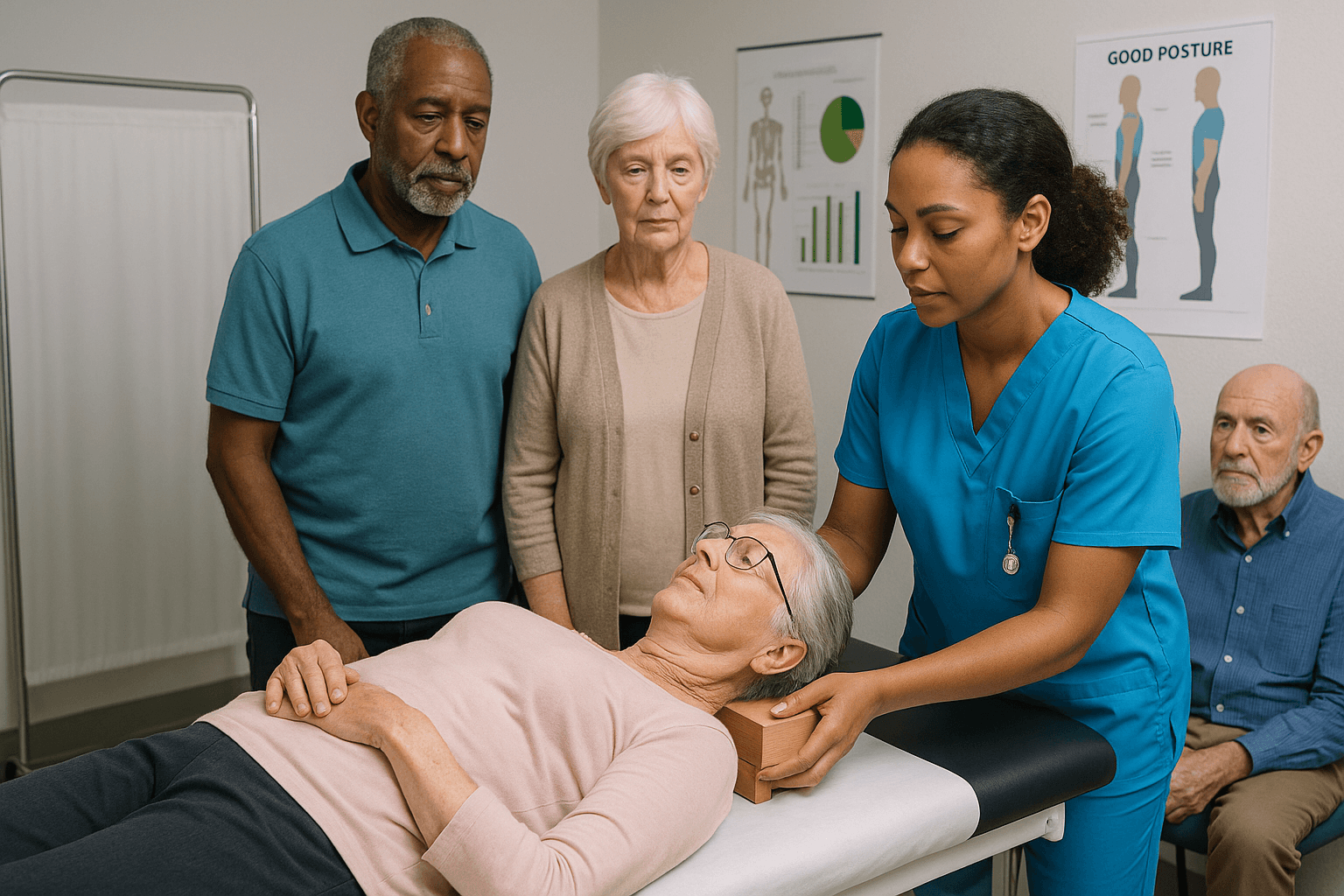
ABC™ is a specialised form of spinal care that corrects structural issues the body can’t fix on its own. Unlike general chiropractic or physiotherapy, ABC™ addresses the exact bones that are stuck in the wrong direction—and guides them back into proper alignment.
Here’s what makes it so effective:
- Corrects non-self-correcting misalignments
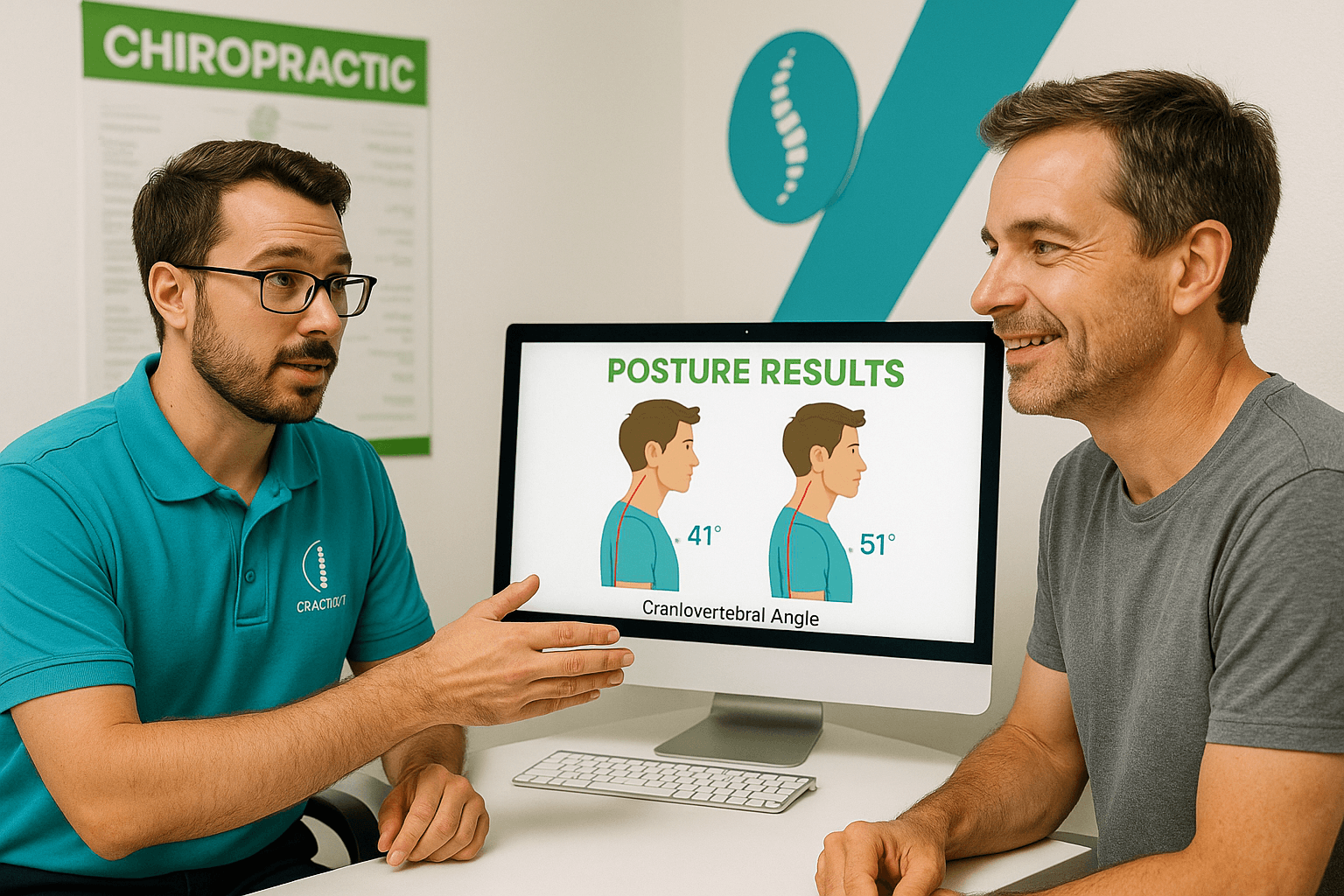
- Improves posture immediately (often visible in a single session)
- Unwinds years of compensation and tension
- Boosts function across the nervous system, digestion, and mobility
- Used successfully on babies, athletes, and complex pain cases
You can learn more about how ABC™ works during the unwinding process, where the body gradually releases stored tension and regains upright structure.
When Shoes Can Help (and When They Can’t)
✅ Supportive Role:
- Barefoot shoes help strengthen feet and support upright movement
- Ideal after ABC™ adjustments to reinforce natural posture
- Encourage better balance, proprioception, and joint mechanics
❌ Not a Fix:
- No shoe can realign your pelvis or spine
- Arch support and cushioning can delay recovery by weakening foot muscles
- Shoes should be a tool, not a treatment
Related Conditions That Require More Than Shoes
If you’re dealing with posture-related issues like:
- Back pain
- Neck pain
- Headaches or migraines
- Slouching, anterior pelvic tilt, or a “tech neck”
It’s time to go beyond footwear. These symptoms are often structural, not just muscular—and that’s why Advanced BioStructural Correction™ should be your first stop.
Explore Upright Posture’s full approach to posture correction to learn how alignment affects your entire health picture.
Key Takeaways
- Ergonomic shoes are not a cure—they support, but don’t correct.
- Barefoot shoes promote better foot function and posture, unlike typical ergonomic shoes.
- ABC™ is the only method that actually fixes spinal misalignments—ergonomic footwear cannot do this.
- Real posture correction requires structural treatment, not gadgets or insoles.
Ergonomic shoes can be helpful—but they’re not the fix you’ve been promised. The real solution? Start with your structure, not your shoes. At Upright Posture, we use Advanced BioStructural Correction™ to transform posture, resolve pain, and unlock the natural strength your body is capable of—no orthotics required.
Frequently Asked Questions About Ergonomic Shoes
Can ergonomic shoes fix poor posture?
No, ergonomic shoes can support your posture, but they can’t fix it. They may provide foot comfort and improve walking mechanics, but they don’t correct spinal or structural misalignments. For true posture correction, a structural approach like Advanced BioStructural Correction™ is required.
What’s the difference between ergonomic shoes and barefoot shoes?
Ergonomic shoes are designed for comfort with cushioning and arch support, while barefoot shoes promote natural foot movement with a flat, flexible sole. Barefoot shoes strengthen your feet and improve posture alignment from the ground up. According to Upright Posture’s guide, barefoot shoes are better for supporting natural posture long-term.
How do I know if my posture problems are structural?
If you experience chronic back pain, uneven shoulders, forward head posture, or recurring muscle tightness, your posture issues are likely structural. These signs suggest your body is misaligned in ways it can’t self-correct. A full assessment by an ABC™ practitioner can identify the root cause.
Will wearing better shoes help with my back pain?
Better shoes, especially barefoot-style, can help reduce foot strain and improve walking posture. However, if your back pain stems from spinal misalignment, shoes alone won’t resolve it. You’ll likely need targeted structural correction such as ABC™ care to fix the root cause.
Can sitting posture affect how well ergonomic shoes work?
Yes—poor sitting posture can undo the benefits of even the best shoes. If you’re slouching on soft or backward-sloping seats, your spine remains under strain regardless of footwear. Using a firm, forward-sloping seat setup as outlined in Upright Posture’s sitting posture guide helps reinforce healthy alignment throughout the day.