Scoliosis can develop during childhood, adolescence, or adulthood. In many cases the condition progresses slowly, and individuals may not notice symptoms until the spinal imbalance begins affecting posture, muscle tension, or daily comfort.
As the spine shifts out of alignment, surrounding muscles must compensate for the imbalance. This can lead to fatigue, stiffness, and chronic discomfort over time.
Modern non-surgical scoliosis treatment approaches focus on restoring structural balance within the body. Clinics that provide structural care, such as treatments like Advanced BioStructural Correction, aim to address the underlying mechanical issues that contribute to spinal curvature rather than only treating pain.
Jump To:
TLDR Quick Guide
If you are exploring non-surgical scoliosis treatment, these are the most common approaches:
- Structural chiropractic care to improve spinal alignment
- Posture correction therapy to stabilize the spine
- Targeted exercises to strengthen core and back muscles
- Lifestyle adjustments that support spinal balance
- Ongoing monitoring to track curvature progression
Combining these methods often provides the best long-term results for managing scoliosis without surgery.
Understanding Scoliosis and Why It Develops
Structural Imbalance in the Spine
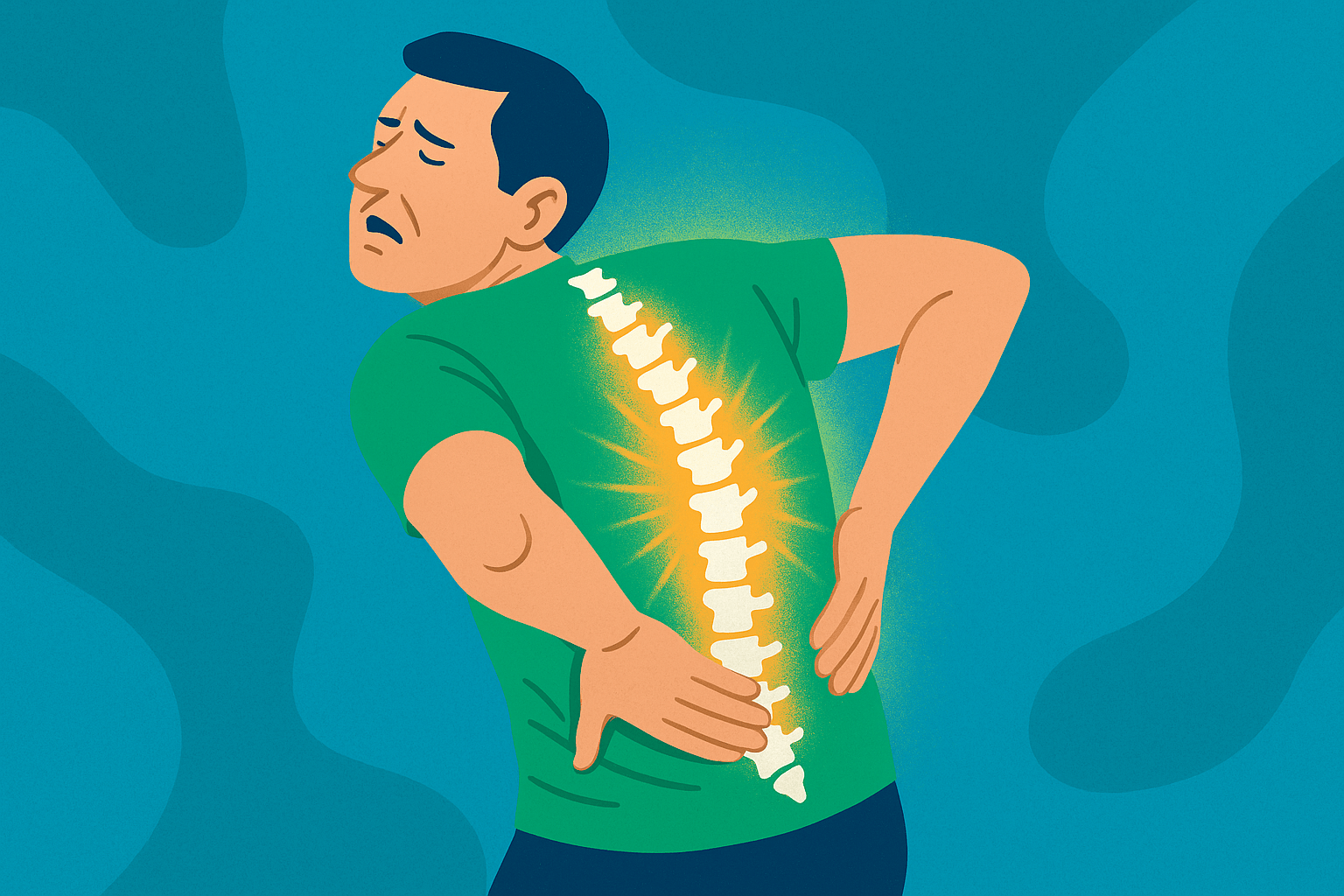
Scoliosis typically develops when the spine loses its natural structural balance. Instead of maintaining a vertical alignment, certain vertebrae begin shifting and rotating, which creates a sideways curve.
This imbalance places uneven pressure on muscles and joints. Over time, the body compensates for this imbalance, which can cause muscle fatigue, uneven posture, and discomfort.
The Role of Posture and Body Mechanics
Posture plays a critical role in spinal health. Prolonged sitting, poor workstation ergonomics, and repetitive movement patterns can contribute to structural imbalance.
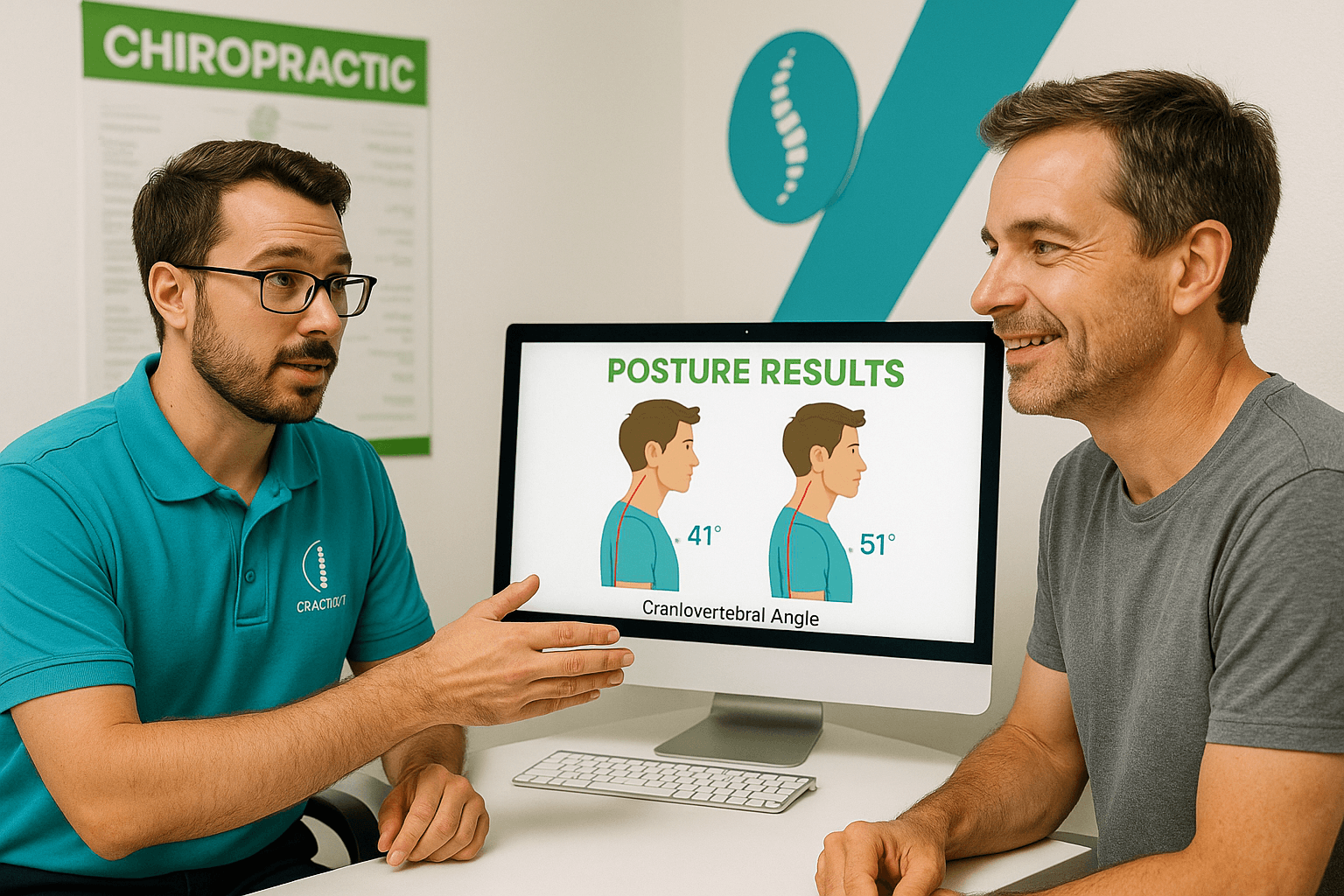
Improving posture through professional care such as posture correction can help support spinal alignment and reduce strain on the muscles that stabilize the spine.
Common Non-Surgical Scoliosis Treatment Approaches
Structural Chiropractic Care
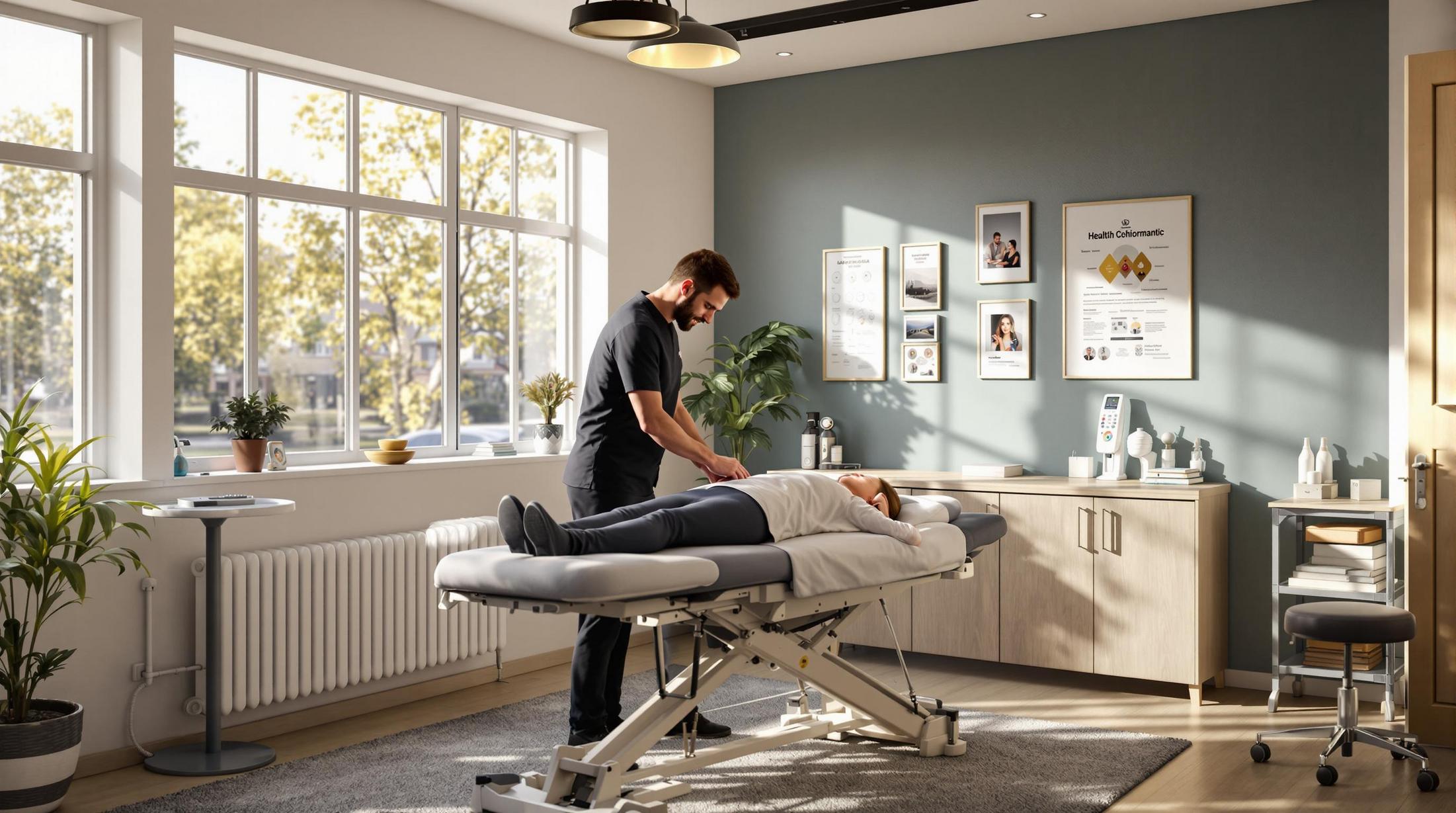
Structural chiropractic methods focus on restoring proper alignment and function to the spine. These techniques work to reduce mechanical stress on the vertebrae and supporting tissues.
Treatments such as Advanced BioStructural Correction are designed to address the root structural imbalance rather than temporarily relieving symptoms.
Early Intervention for Younger Patients
When scoliosis is identified early, non-invasive care can often help manage spinal development and prevent worsening curvature.
Specialized treatments such as paediatric chiropractic focus on monitoring spinal growth and supporting healthy alignment during childhood and adolescence.
Lifestyle Strategies That Support Scoliosis Management
Strengthening Supporting Muscles
Strengthening the muscles that support the spine can significantly improve stability. Core exercises, flexibility training, and low-impact activities help reduce stress on the spinal column.
Over time, improved muscle balance allows the body to better support spinal alignment.
Daily Habits That Influence Spinal Health
Many daily habits influence spinal health more than people realize. Sitting posture, sleeping position, and footwear can all affect spinal alignment.
Making small ergonomic adjustments throughout the day can help reinforce the benefits of structured treatment and prevent further spinal stress.
Monitoring Progress and Long-Term Care
Tracking Changes in Spinal Curvature
Regular assessments allow healthcare professionals to track changes in spinal curvature and adjust treatment plans when necessary.
Monitoring progress ensures that conservative treatments remain effective over time.
Personalized Treatment Plans
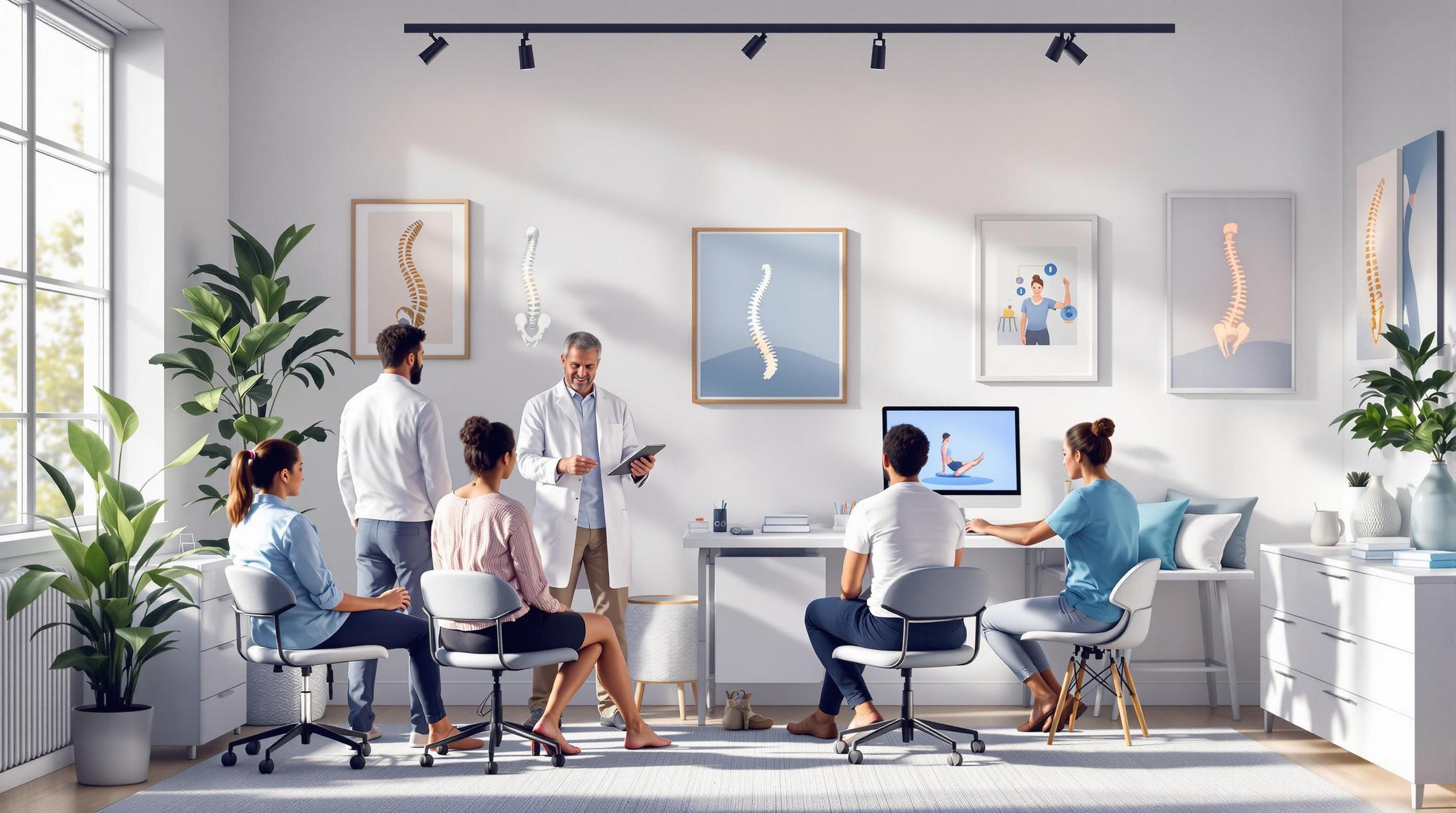
Every scoliosis case is unique. Effective non-surgical scoliosis treatment typically involves a customized plan that takes into account the severity of curvature, age, activity level, and overall spinal health.
Clinics specializing in structural correction often combine multiple therapies to support long-term alignment and function.
Key Takeaways
- Non-surgical scoliosis treatment focuses on managing spinal curvature without invasive procedures.
- Structural chiropractic care can help address underlying spinal imbalance.
- Posture correction plays a major role in stabilizing spinal alignment.
- Early treatment often improves outcomes, especially in younger patients.
- Personalized care plans offer the best long-term scoliosis management.
FAQs
Can scoliosis be treated without surgery?
Yes, many cases of scoliosis can be managed successfully without surgery. Non-surgical treatment focuses on improving posture, strengthening muscles, and supporting spinal alignment. These approaches help reduce symptoms and slow progression in many patients.
What is the most effective non-surgical scoliosis treatment?
The most effective treatment usually combines structural chiropractic care, posture rehabilitation, and strengthening exercises. These therapies work together to support spinal stability and alignment. Personalized care plans often produce the best outcomes.
Does posture correction help scoliosis?
Yes, posture correction can play an important role in managing scoliosis. Improving posture helps reduce uneven stress on the spine and surrounding muscles. Over time, better posture habits can support improved spinal balance.
Can children benefit from non-surgical scoliosis treatment?
Yes, early intervention is often highly beneficial for children and teenagers. Conservative treatment may help guide proper spinal development during growth. Monitoring and early care often prevent progression.
How long does non-surgical scoliosis treatment take?
Treatment timelines vary depending on the severity of the curvature and the patient’s age and condition. Some individuals experience improvements within months, while others require longer-term care. Consistency with treatment and posture habits is key to achieving results.