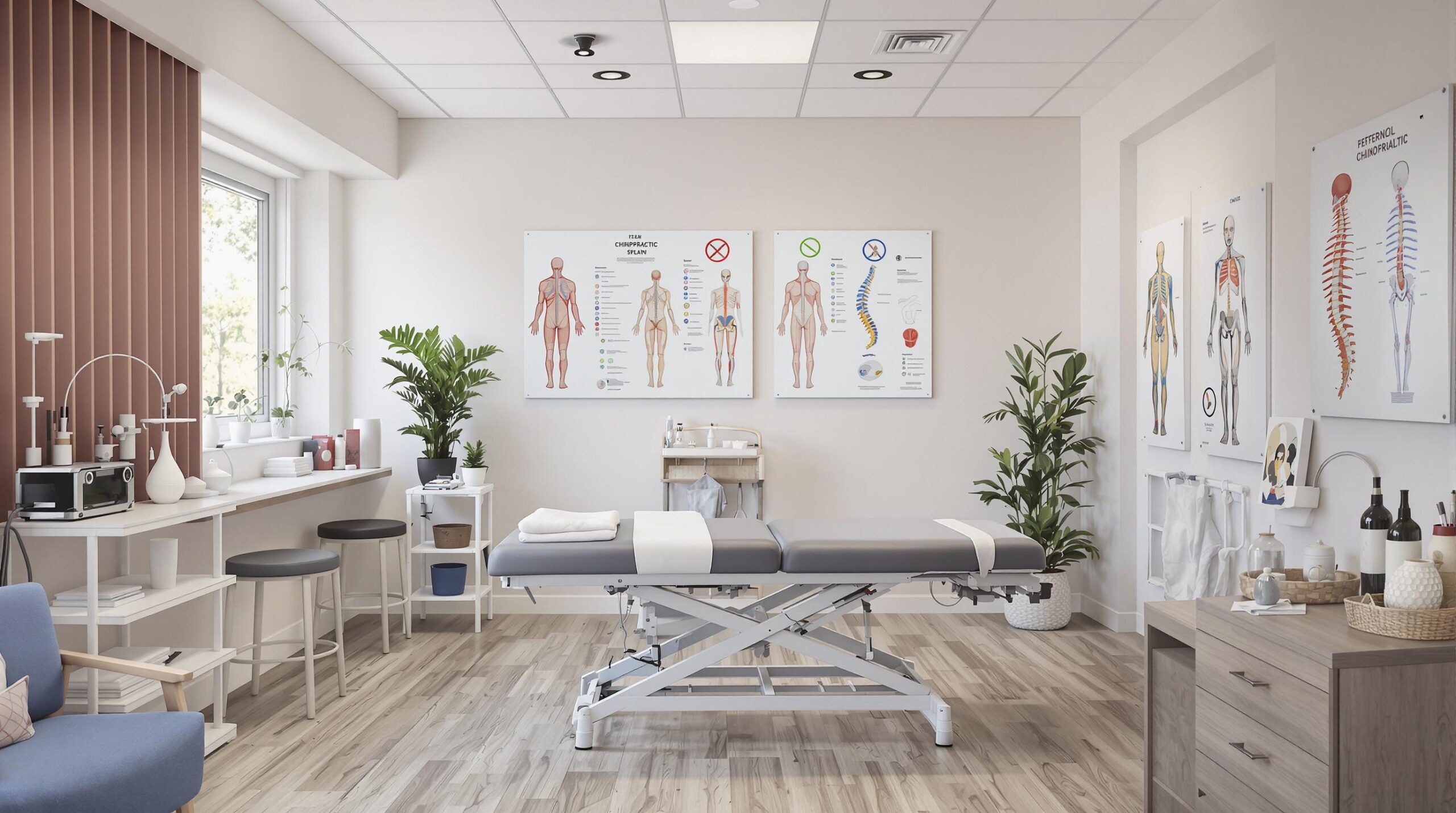
Good posture isn’t just about standing tall — it’s about the entire chain of alignment that starts at your feet and ends at your skull. Every step you take influences how your body balances, distributes weight, and maintains stability. When your foundation is off, the rest of your body compensates, leading to pain, fatigue, and long-term structural issues. Understanding postural alignment from the ground up is key to preventing chronic discomfort and maintaining a healthier, more balanced body.
Jump To:
TLDR Quick Guide
- Postural alignment is affected by your feet — they contribute to how stress travels through your body.
- Footwear matters: ill-fitting or worn-out shoes can cause imbalance and misalignment.
- Proper alignment reduces stress on muscles, ligaments, and the spine.
- Small corrections at the base (feet, ankles, knees) can improve whole-body posture.
- Professional posture correction treatments help correct your body alignment for long-term balance.
The Foundation of Postural Alignment
The feet are your body’s structural base, absorbing impact and stabilizing each movement. When arches collapse or overpronation occurs, the imbalance doesn’t stop at your feet — it travels upward through the knees, hips, and spine. Proper alignment means your joints stack naturally, allowing the spine to maintain its ideal curvature and reducing unnecessary strain.
How Poor Foot Mechanics Affect the Spine
When standing relaxed, you feet should point straight ahead and your foot arches and ankle shoulder be in a neutral position. If your feet turn inward or outward, if you are flat footed or high arched, or if your weight is nor mostly in the heels, it tilts and twists your pelvis and forces the spine to adjust. Over time, this compensation can lead to lower back pain, uneven shoulders, neck tension and even headaches (and much more besides). By correcting the base, posture can be stabilised naturally without excessive muscular effort.
The Role of Footwear in Alignment
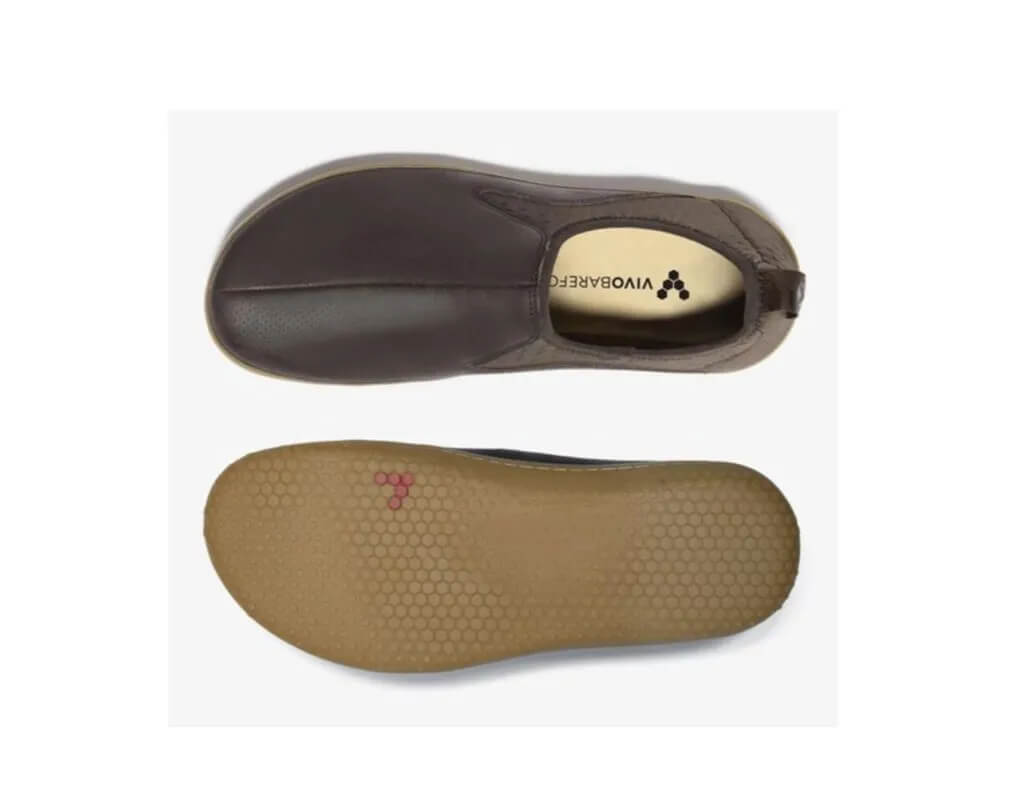
Shoes influence how your feet strike the ground, how your weight is distributed and how the rest of your body operates biomechanically. High heels, narrow toe boxes, insoles, orthotics, or worn-out soles can alter your balance and walking / running mechanics, creating long-term posture issues. Selecting footwear without arch support, minimal and a wide toe box can help prevent misalignment before it begins.
What to Look for in Supportive Shoes
- No Arch Support: Almost any degree of arch support paradoxically collapses your arches further.
- Cushioning: Soft insoles e.g. memory foam and neoprene are so soft that they make your body wobble, sway and have to work to maintain your balance.
- Wide Fit: Ensures that your feet have enough room as any compression affects the shock absorption of the forefoot, your feet muscle strength and the bone density of the feet.
- Small heel: A slight heel of just a couple of millimetres tilts your pelvis into a more neutral posture and helps you maintain a more stable and upright posture.
The type of shoe that fits this description is classed as a barefoot shoe. There are many brands available and you can learn much more about this type of shoe here – The Best Barefoot Shoes.
How the Body Compensates for Misalignment
When your foundation is off, your body naturally adjusts to keep your eyes level and maintain balance. These compensations might seem harmless at first but often result in chronic strain and muscular fatigue. Misalignment can even affect breathing, digestion, and athletic performance by throwing off the body’s symmetry.
The Chain Reaction
A misaligned foot and ankle → rotated knee → tilted pelvis → twisted spine → symptoms and functional loss.
Correcting this chain includes addressing the foundation, helping allowing the body to reset into a more efficient, pain-free posture.
Professional Support for Postural Alignment
Specialized care, such as Advanced BioStructural Correction™ (ABC), focuses on restoring natural body balance without forcing muscles to hold unnatural positions. Clinics like Upright Posture use this technique to correct long-term structural misalignments safely and effectively. Through precise alignment corrections of the entire skeleton and education on proper footwear, seating posture and sleeping position, clients always see improvements in pain relief, flexibility, and confidence in posture.
Key Takeaways
- It starts from the feet: True postural alignment begins with proper foot positioning and support.
- Footwear matters: The wrong shoes can lead to a chain of imbalances up the body.
- Compensation causes pain: When one part of the body misaligns, others parts strain to adapt.
- Professional correction helps: Treatments like ABC realign the body naturally from the ground up.
- Consistency is key: Maintaining alignment requires good habits, supportive footwear, and regular correction.
FAQs
What is postural alignment, and why is it important?
Postural alignment refers to how your body’s bones, muscles, and joints are positioned for optimal balance and function. When aligned correctly, your body moves efficiently and avoids unnecessary strain. Poor alignment can lead to fatigue, joint pain, and chronic injuries over time.
How do my shoes affect my posture?
Shoes influence how your feet absorb impact and balance your weight. The wrong type of footwear (that is most footwear nowadays) can upset your foundation, causing a ripple effect up through your knees, hips, and spine. Replacing shoes regularly and choosing barefoot shoes and trainers maintain natural alignment.
Can posture correction improve back and neck pain?
Yes, correcting posture often reduces or eliminates chronic pain caused by compensation patterns. When the spine and surrounding muscles are properly aligned, stress on nerves and joints decreases significantly. Many patients experience noticeable relief after consistent posture therapy or chiropractic care.
How can I tell if my posture is misaligned?
Common signs include uneven shoulders, recurring back or neck tension, and one foot turning out more than the other. You might also notice fatigue from standing or walking for long periods. A posture assessment by a professional can accurately diagnose the root cause.
What treatments help restore proper postural alignment?
Treatments such as Advanced BioStructural Correction™ can consistently and reliably realign the body effectively. This approach focuses on restoring natural structure rather than forcing muscular control. Over time, your body adapts to its new posture and becomes naturally upright.