Why Postural Collapse Is More Than Just “Bad Posture”
Many people assume poor posture is just a habit—but postural collapse is far more complex. It involves structural changes in how your body supports itself over time.
When left unaddressed, it can affect movement, breathing, and even energy levels. Clinics like Upright Posture focus on correcting these deeper structural issues rather than simply managing symptoms.
Jump To:
TLDR Quick Guide
Key Facts About Postural Collapse
- It develops gradually over time
- Often linked to structural imbalance
- Leads to chronic pain and stiffness
- Gets worse without proper correction
- Requires more than simple exercises
What Is Postural Collapse?
A Breakdown of Structural Alignment
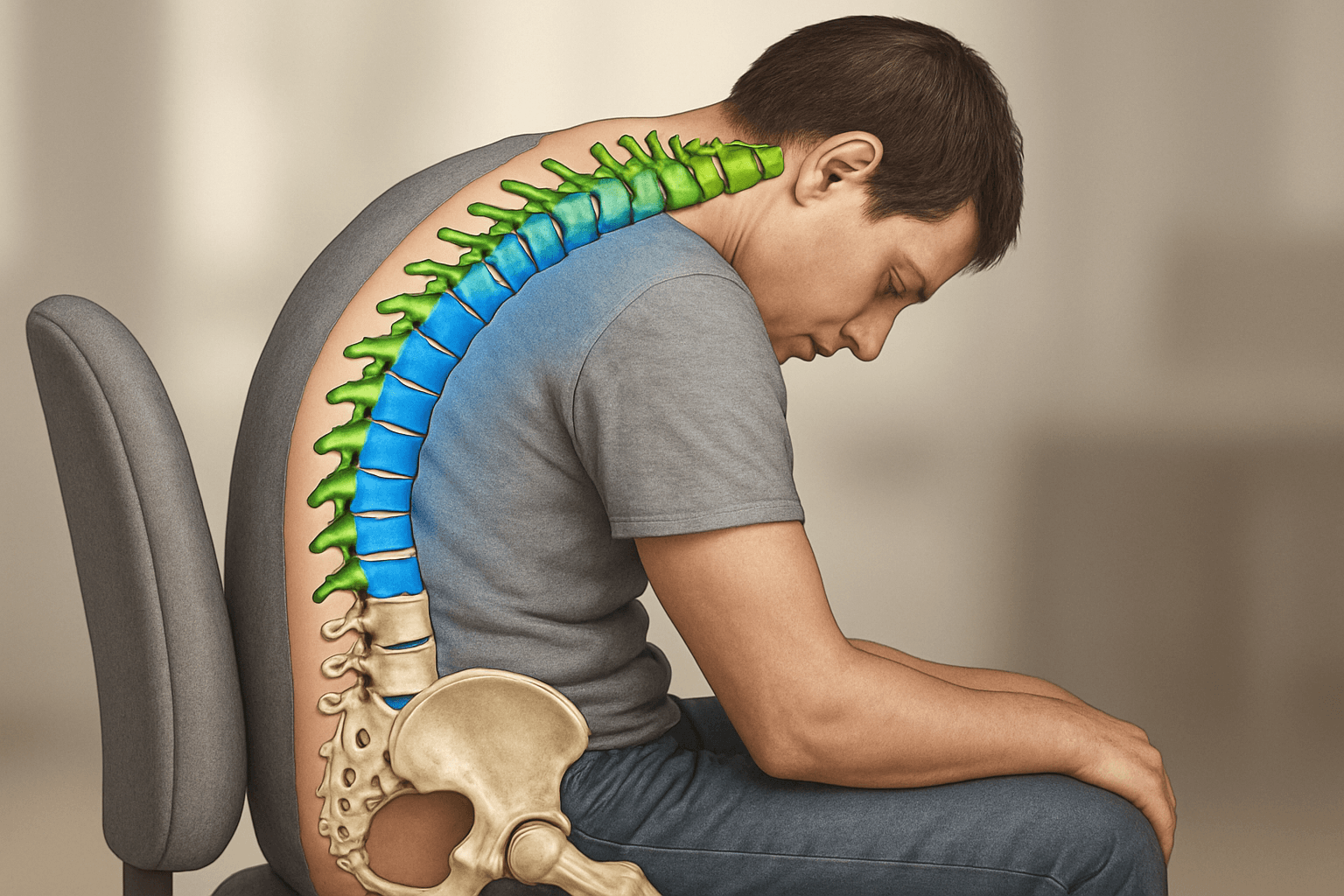
Postural collapse happens when your body loses its natural alignment.
Instead of being balanced:
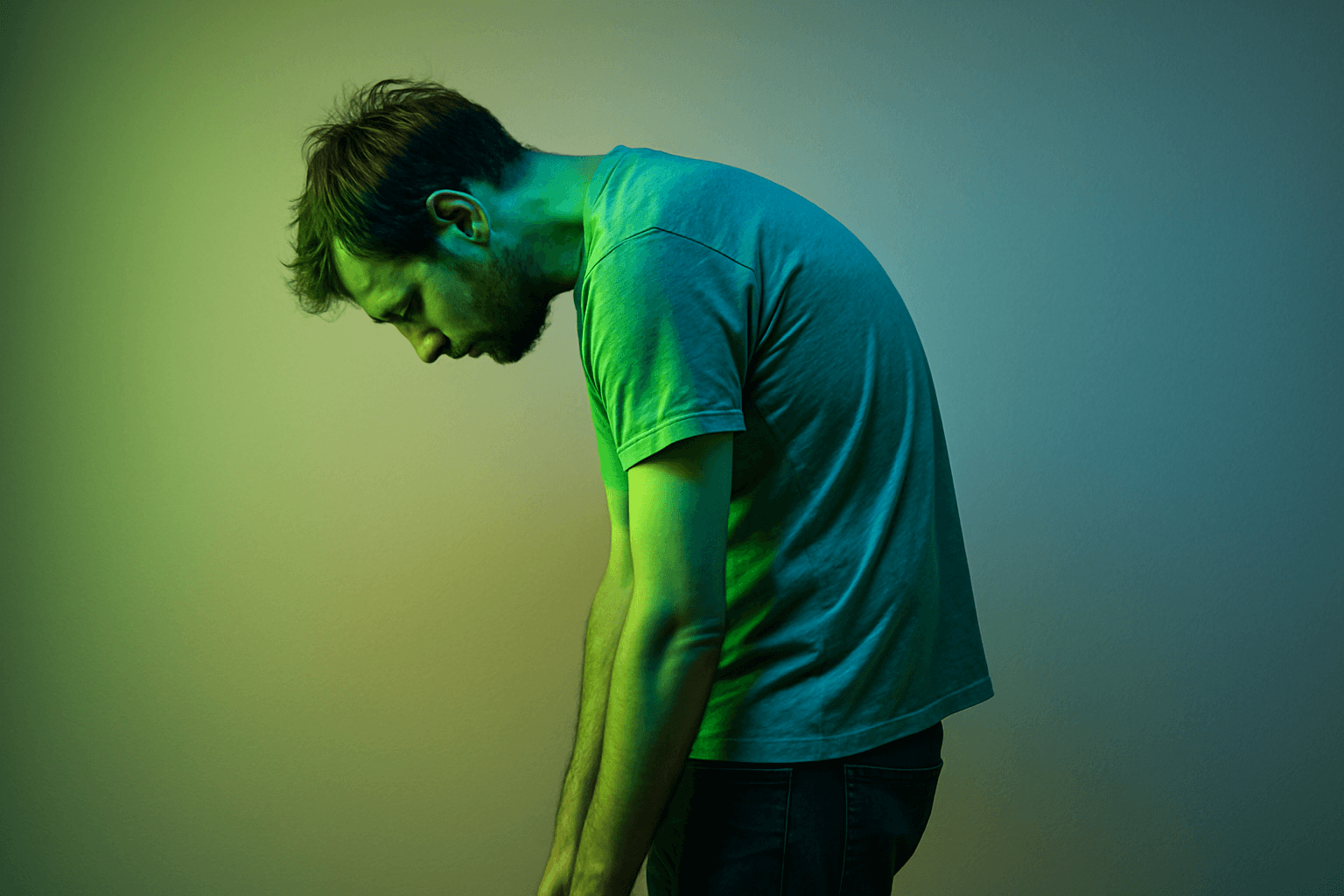
- the head shifts forward
- the shoulders round inward
- the spine curves excessively
Over time, your body adapts to this position, making it harder to return to proper alignment.
Why Postural Collapse Gets Worse Over Time
The Compounding Effect
Postural collapse tends to worsen because the body compensates.
As alignment shifts:
- muscles tighten in some areas
- others weaken or deactivate
- joints experience uneven pressure
These compensations create a cycle that reinforces the problem.
Common Causes of Postural Collapse
Daily Habits That Add Up
Postural collapse is rarely caused by one single factor.
Common contributors include:
- prolonged sitting
- poor workstation setup
- lack of movement
- repetitive strain
Over time, these habits gradually reshape how your body holds itself.
The Hidden Impact on Your Body
More Than Just Pain
Postural collapse affects more than how you look.
It can lead to:
- chronic neck and back pain
- reduced mobility
- tension headaches
- breathing inefficiency
Research on spinal alignment, such as insights from why posture matters more than you think, highlights how posture directly impacts overall health.
Why Exercises Alone Don’t Fix It
Addressing Symptoms vs Structure
Many people try to fix posture with stretching or strengthening.
While helpful, these approaches often:
- target muscles, not structure
- provide temporary relief
- fail to correct underlying alignment
True correction requires addressing the root cause of the imbalance.
How Postural Collapse Is Properly Treated
A Structural Approach to Correction
Effective treatment focuses on restoring alignment rather than chasing symptoms.
Approaches like posture correction aim to:
- realign the body structurally
- reduce compensations
- improve long-term function
More advanced systems such as Advanced BioStructural Correction are designed to address these deeper structural issues directly.
Early Signs You Shouldn’t Ignore
Catch It Before It Progresses
Postural collapse often starts subtly.
Watch for:
- forward head position
- rounded shoulders
- frequent stiffness
- recurring tension
Recognizing these early signs allows you to take action before the condition worsens.
Key Takeaways
What You Need to Know About Postural Collapse
- It’s a structural issue, not just a habit
- It worsens over time due to compensation patterns
- Daily habits play a major role
- Symptoms go beyond pain and stiffness
- Long-term correction requires addressing alignment
Understanding postural collapse is the first step toward preventing long-term damage and restoring proper function.
Frequently Asked Questions
What is postural collapse exactly?
Postural collapse refers to the gradual breakdown of proper body alignment. It affects how the spine, shoulders, and head are positioned. Over time, this leads to compensation and discomfort.
Why does posture get worse over time?
Posture worsens because the body adapts to imbalances. Muscles tighten and weaken in response to poor positioning. These changes reinforce the problem unless corrected.
Can exercise fix postural collapse?
Exercise can help improve strength and flexibility. However, it often doesn’t address structural misalignment. A targeted approach is usually needed for lasting correction.
What are the first signs of postural collapse?
Early signs include forward head posture and rounded shoulders. You may also notice stiffness or recurring tension. These symptoms often appear before pain becomes severe.
Is postural collapse reversible?
In many cases, yes—with the right approach. Early intervention leads to better outcomes. Addressing the root cause is key to long-term improvement.