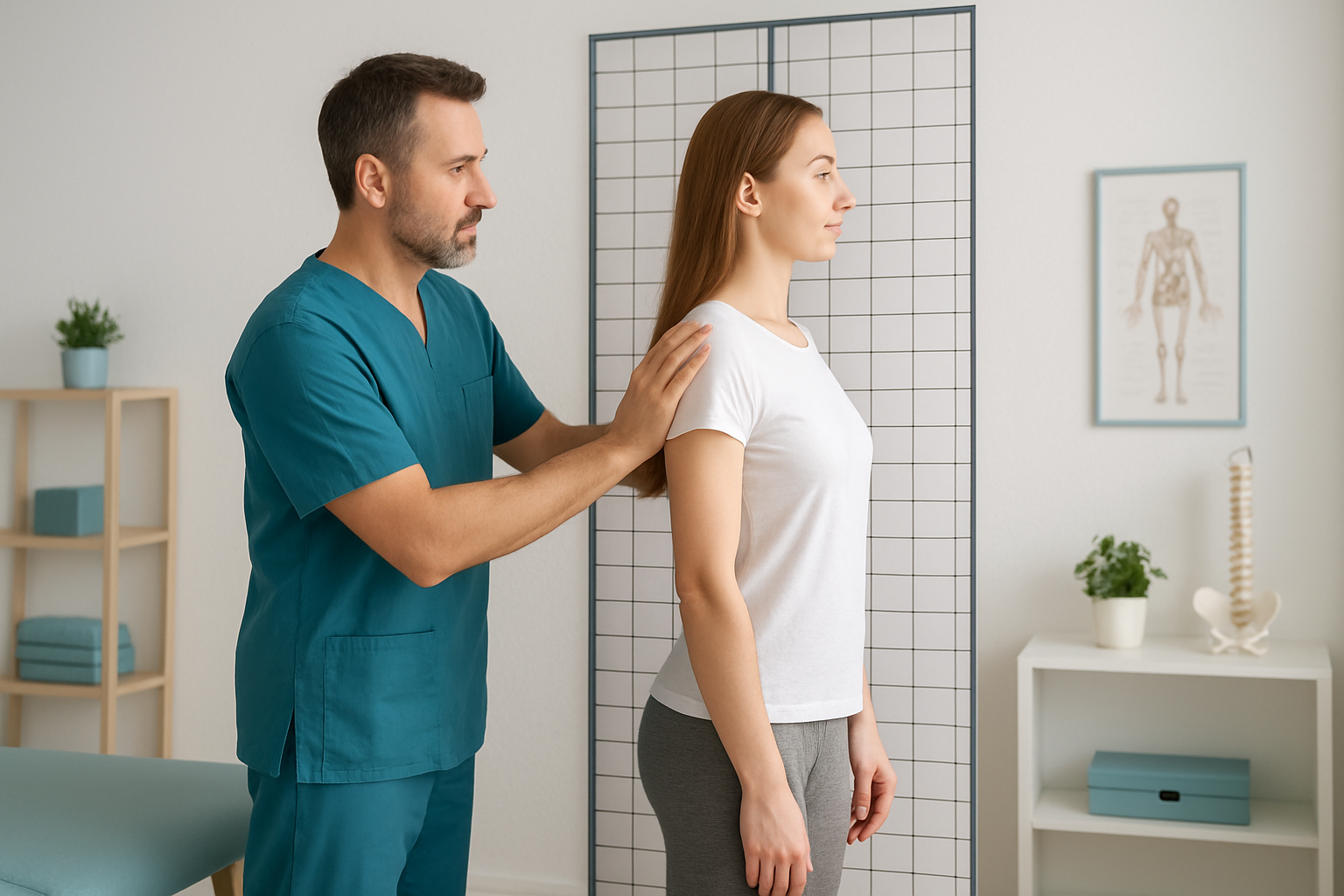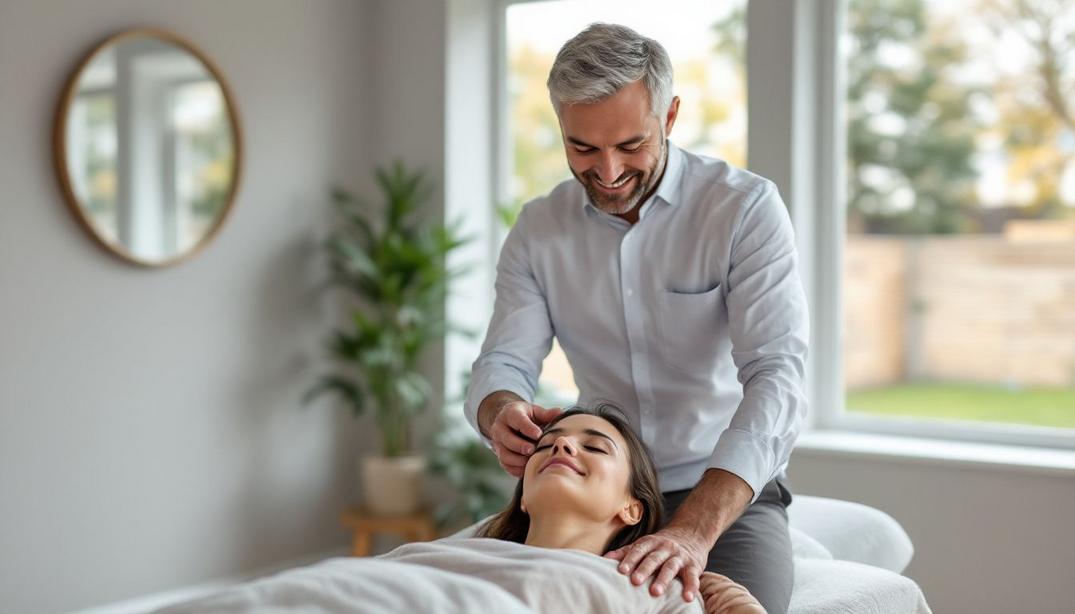
Scoliosis, a condition marked by abnormal curvature of the spine, affects people of all ages and can significantly limit mobility and comfort. While traditional methods focus on bracing or surgery, scoliosis treatment with chiropractic care takes a different approach—addressing the root cause of spinal imbalance through precise, non-invasive structural corrections.
By improving alignment, mobility, and muscle balance, chiropractic-based care helps restore natural posture and reduce discomfort without relying on aggressive medical interventions. This holistic approach emphasizes long-term improvement and improved quality of life for patients living with scoliosis.
Jump To:
TLDR Quick Guide
- Scoliosis treatment with chiropractic focuses on spinal alignment to enhance mobility and reduce pain.
- Structural correction techniques restore balance and support natural healing.
- Chiropractic care works alongside physical therapy and posture correction exercises for lasting results.
- Ideal for all severities of scoliosis seeking non-invasive improvement.
What Is Scoliosis and How It Affects the Body
The old understanding of scoliosis is that it is a sideways bending or curving of the spine. This is incorrect and leads professionals and patients to both pursue the wrong interventions. The truth is that a scoliosis is an abnormal twisting of the spine. To demonstrate this get a face towel and start twisting it. Keep twisting and you will notice that it starts to bend into different shapes as it gets tighter and tighter. This is a basic example of what occurs in the spine of someone with scoliosis.
There are many reasons that the spine would twist itself up like this. In cases of Idiopathic Scoliosis the reason your spine twists so much is to compensate for misalignments of the spine. The most common misalignment in scoliosis cases occur with the L5 vertebra which is at the base of the spine. This vertebra can become stuck so far forward that the rest of the spine has to arch, kink, and twist itself to remain upright against gravity. This “compensation pattern” is the scoliosis.
Since the ribcage, arms, pelvis and legs are attached to your spine, the twisting can cause uneven shoulders, hip misalignment, flat feet, and back pain/ discomfort, particularly during growth spurts or after long periods of poor posture.
Over time, these imbalances can restrict movement, cause muscular tension, and lead to chronic fatigue. Addressing spinal structure early is key to preventing progression and maintaining overall mobility.
The real danger however, is the risk of organ compression which occurs not from the twisting / scoliosis (which is actually helping you), but from the fact that the spine is collapsing forward. If you look at someone with severe scoliosis from the side, you will see that their body pitches forward and is not upright. This is because the spine is literally falling forwards and compressing the organs in the chest and abdomen.
How Chiropractic Care Supports Scoliosis Treatment
1. Structural Realignment
Chiropractic adjustments focus on restoring the spine’s natural alignment by locating and correcting the primary forward stuck vertebrae in your spine. Each session targets the precise areas contributing to curvature, helping reduce uneven pressure on muscles and ligaments. Over time, this approach naturally makes the posture more upright, helping the body to maintain a more balanced posture naturally.
The more upright the body, the less is needs to twist to compensate. The scoliosis essentially unwinds itself out of the spine. Therefore, x-ray measurements such and the sacral base angle and lumbosacral disc angle are more important than the Cobb angle.
The only method we have found to be effective and safe in realigning the spine is Advanced BioStructural Correction. The wrong type of spinal manipulation can make the alignment worse.
People with scoliosis are also stiff in certain parts of their spine. This is not due to tightness of the muscles as much as due to hardening of the actual spine through the development of “meningeal adhesions”. These adhesions are like superglue and stick portions of the spinal cord, nerve roots to the vertebrae, locking them in place. This is a part of the bodies clever compensation pattern to help slow the rate of postural decline. However, in order to realign the posture, this tissue need to be release so that the vertebrae can move freely again.
The body is a single, synchronised, functional unit. This means that everything works together simultaneously and also that everything affects everything else. So, treatment involves realigning not only the spine but also the skull, pelvis, ribcage, legs and feet.
2. Muscle and Postural Rebalancing
In addition to spinal correction, chiropractors often give advice to help the process along and prevent relapse. Most of the time posture-specific exercises to strengthen supporting muscles are not necessary. As the alignment improves, muscles regain their leverage and automatically become stronger. Very tight muscles may need some self-massage to help release them.
3. Pain Reduction and Mobility Restoration
By correcting misalignments, chiropractic care alleviates the tension on nerves and discs. This also coincides with improved range of motion and reduced inflammation. Many patients report noticeable relief and smoother movement after just a few sessions.
4. Complementary Rehabilitation
Chiropractic treatment can complement physiotherapy, stretching routines, and ergonomic corrections. Together, these create a synergistic effect that supports spinal health. Consistent care helps patients stay active and pain-free.
Benefits of Scoliosis Treatment with Chiropractic
- Improved Posture: Rebalances the spine, helping the body hold an upright position with less strain. Reduction of the scoliosis.
- Enhanced Flexibility: Restores natural movement and eases stiffness caused by curvature.
- Reduced Pain: Decreases tension in muscles and joints associated with spinal distortion.
- Better Functionality: Increases overall strength, stability, and comfort in daily activities. Reduction in organ compression.
- Holistic Healing: Focuses on the entire musculoskeletal system, promoting natural recovery.
What to Expect During Chiropractic Scoliosis Treatment
Your chiropractor will begin with a comprehensive functional assessment, often including posture scans and X-rays. The goal is to understand the severity, curve direction, and underlying structural imbalances.
Treatment typically includes very specific spinal stretches, manual corrections to the skeletal structure, and guidance for at-home care. Progress is monitored regularly to ensure that improvements in alignment lead to better comfort, flexibility, and stability.
At Upright Posture, for example, the approach focuses on Advanced BioStructural Correction™—a precise technique that restores natural spinal alignment by addressing the mechanical cause of curvature. This method is designed to improve both posture and overall body function for lasting relief.
Key Takeaways
- Scoliosis treatment with chiropractic care focuses on non-invasive correction and functional improvement.
- Structural realignment enhances posture, comfort, and movement without surgery or medication.
- Regular sessions and personalized exercises help prevent curve progression.
- Ideal for individuals seeking a holistic, long-term solution for spinal imbalance.
- Works best when guided by experienced structural chiropractors using evidence-based methods.
FAQs
Can chiropractic care completely fix scoliosis?
Chiropractic care doesn’t always “cure” scoliosis, but it can significantly reduce symptoms and improve spinal function. By addressing misalignments, it helps stabilize the spine and prevent further curvature. The spine is always more upright but how much the Cobb angle changes is variable (although as mentioned above, the Cobb angle is less important and other x-ray measurements). Virtually all patients experience reduced pain and enhanced quality of life.
Is chiropractic care safe for scoliosis?
Yes, when performed by trained professionals, certain chiropractic adjustments are gentle, precise, and safe. Specialized techniques focus on supporting spinal health without applying force to unstable areas. It’s an excellent non-invasive option for both adults and adolescents.
How long does scoliosis treatment with chiropractic take?
Treatment duration depends on the curve’s severity, age, and individual progress. Most patients begin noticing improvements in posture and comfort within a few visits. Long-term results typically require consistent sessions and ongoing posture maintenance.
Does chiropractic treatment work for adults with scoliosis?
Absolutely. Adults can experience significant pain relief, improved mobility, and better alignment through targeted chiropractic care. While bone structure is less flexible with age, functional and postural gains remain absolutely achievable.
What is the difference between chiropractic care and surgery for scoliosis?
Surgery improves severe spinal curves using hardware and fusion, but does not fully address the forward vertebrae that can be the underlying cause. Chiropractic care focuses on natural structural correction. Chiropractic is non-invasive and ideal for those seeking functional improvement without surgical risks. It supports body alignment, mobility, and comfort through progressive care. However, most forms of chiropractic care can make spinal alignment worse so care must be taken when choosing a provider.