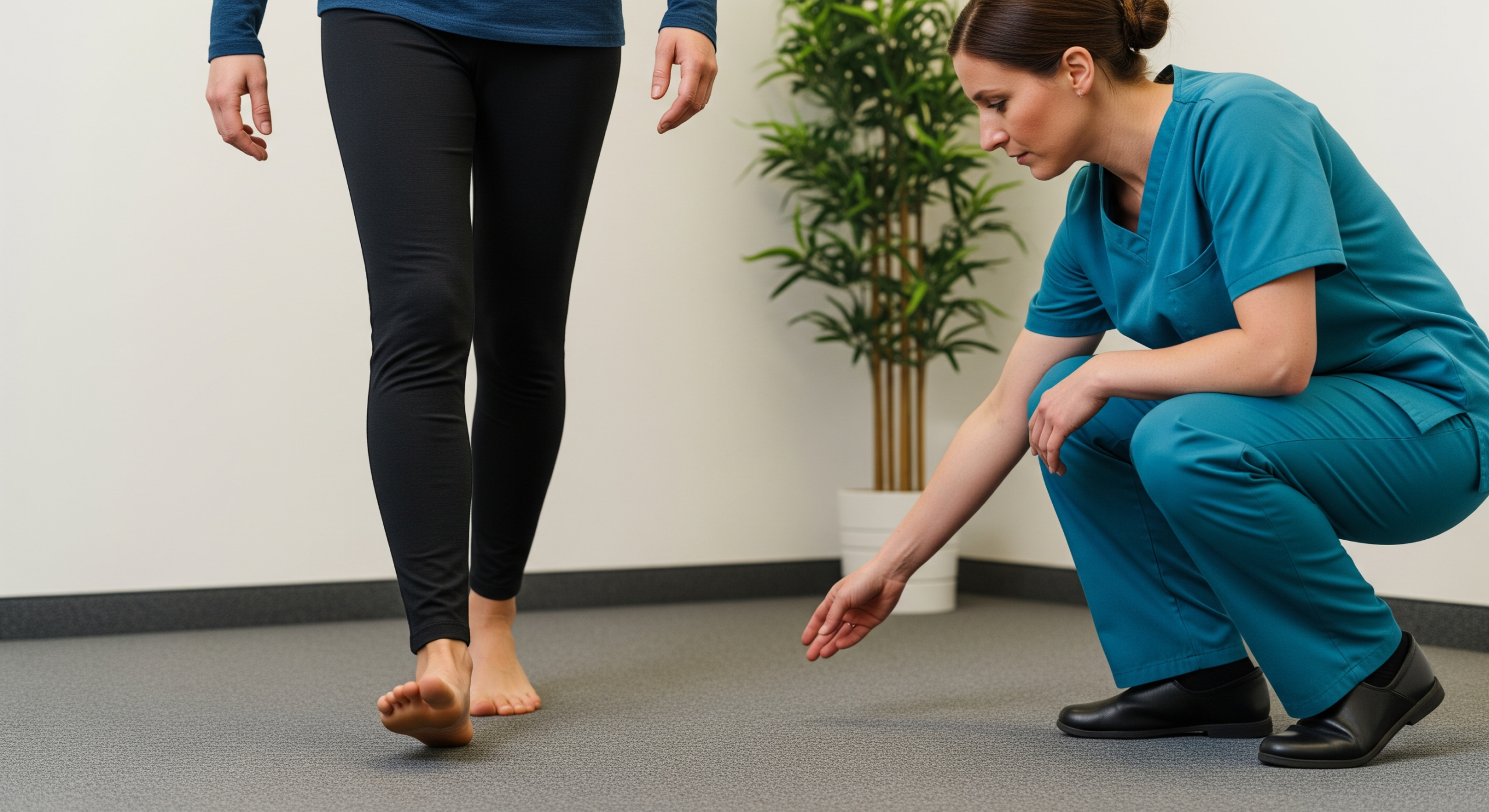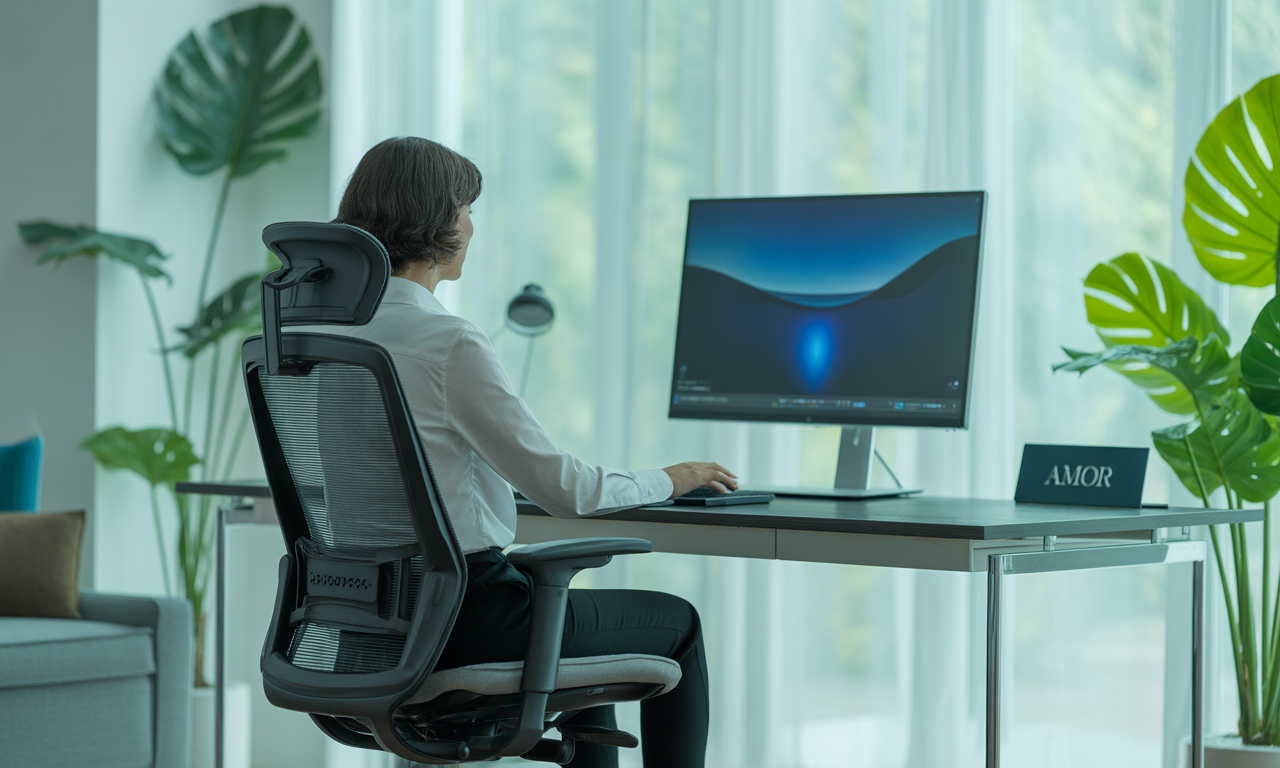
Structural correction recovery is not a quick fix—it’s a gradual process where your body adapts to improved alignment over time. Unlike treatments that only provide temporary relief, structural correction focuses on restoring long-term balance and function.
Clinics like Upright Posture emphasize correcting the root cause of dysfunction, which means recovery involves physical, neurological, and postural changes—not just symptom relief.
Jump To:
- TLDR Quick Guide
- The Early Phase: Initial Adjustments
- The Middle Phase: Noticeable Improvements
- The Structural Phase: Deeper Correction
- Why Symptoms May Fluctuate During Recovery
- Long-Term Structural Correction Benefits
- The Role of Advanced Techniques
- What You Can Do to Support Your Recovery
- Key Takeaways
- FAQs
TLDR Quick Guide
What to expect during structural correction recovery:
- Gradual posture improvements over weeks
- Temporary soreness as the body adapts
- Increased mobility and balance
- Reduced chronic pain over time
- Long-term structural stability
Consistency is key for lasting results.
The Early Phase: Initial Adjustments
Your Body Starts Adapting
In the first few sessions, your body begins responding to changes in alignment. Muscles, joints, and connective tissues adjust to new positions.
This can feel unfamiliar at first, especially if your body has been misaligned for years.
Temporary Soreness Is Normal
Some patients experience mild soreness or stiffness after adjustments. This is similar to starting a new workout routine.
It’s a sign that your body is beginning to change.
The Middle Phase: Noticeable Improvements
Posture Begins to Shift
As treatment continues, you may notice subtle but meaningful changes in your posture. Standing and sitting may feel more natural and balanced.
These changes often happen gradually rather than all at once.
Pain Patterns Start Changing
Chronic pain may begin to decrease or shift in intensity. Conditions like back pain relief often improve as structural alignment stabilizes.
Some patients notice that pain becomes less frequent or less severe.
The Structural Phase: Deeper Correction
Alignment Becomes More Stable
At this stage, your body starts holding corrected positions more consistently. This reduces the likelihood of reverting to old patterns.
Structural integrity becomes more sustainable.
Improved Movement and Function
You may notice better range of motion, improved balance, and smoother movement. Everyday activities become easier and less strained.
This is where functional improvements become more noticeable.
Why Symptoms May Fluctuate During Recovery
Healing Is Not Linear
Recovery doesn’t always follow a straight path. Some days may feel better than others as your body continues adapting.
This is a normal part of the process.
Old Patterns Breaking Down
As structural imbalances are corrected, the body may temporarily react. This can include mild discomfort or shifting sensations.
These changes are often part of long-term improvement.
Long-Term Structural Correction Benefits
Reduced Recurrence of Pain
Unlike short-term treatments, structural correction focuses on lasting results. This reduces the chances of recurring issues.
Conditions like sciatica, slipped discs, and pinched nerves can improve significantly with proper alignment.
Better Posture Without Effort
Over time, improved posture becomes natural rather than forced. You no longer need to consciously “fix” your position.
This is a key indicator of successful structural correction recovery.
The Role of Advanced Techniques
Targeting Root Causes
Approaches like Advanced BioStructural Correction focus on correcting the underlying structural issues rather than masking symptoms.
This allows for deeper, longer-lasting results.
Supporting Long-Term Health
These techniques aim to improve not just pain, but overall body function. This includes posture, movement, and stability.
The goal is sustainable improvement—not temporary relief.
What You Can Do to Support Your Recovery
Stay Consistent With Care
Consistency is one of the most important factors in recovery. Skipping sessions can slow progress or reverse improvements.
Following your care plan helps maintain momentum.
Be Aware of Daily Habits
Posture, movement, and lifestyle choices all affect recovery. Small changes in daily habits can support long-term results.
Awareness plays a major role in maintaining progress.
Key Takeaways
- Structural correction recovery is gradual, not immediate
- Temporary soreness is a normal part of adaptation
- Posture and movement improve over time
- Symptoms may fluctuate before stabilizing
- Long-term consistency leads to lasting results
FAQs
How long does structural correction recovery take?
Recovery timelines vary depending on the individual and severity of the condition. Some people notice changes within weeks, while others require longer care. Consistency plays a major role in results.
Is soreness normal after structural correction?
Yes, mild soreness is common in the early stages. It reflects your body adjusting to new alignment. This usually decreases as your body adapts.
Will my posture automatically improve?
Over time, improved posture becomes more natural. Structural correction helps your body maintain proper alignment without constant effort. This is a key long-term benefit.
Why do symptoms sometimes feel worse before improving?
As your body adjusts, old patterns are being corrected. This can temporarily increase awareness of discomfort. It is usually part of the healing process.
Can structural correction prevent future pain?
Yes, by addressing root causes, it reduces the likelihood of recurring issues. Long-term alignment improves overall function. This leads to more sustainable health outcomes.