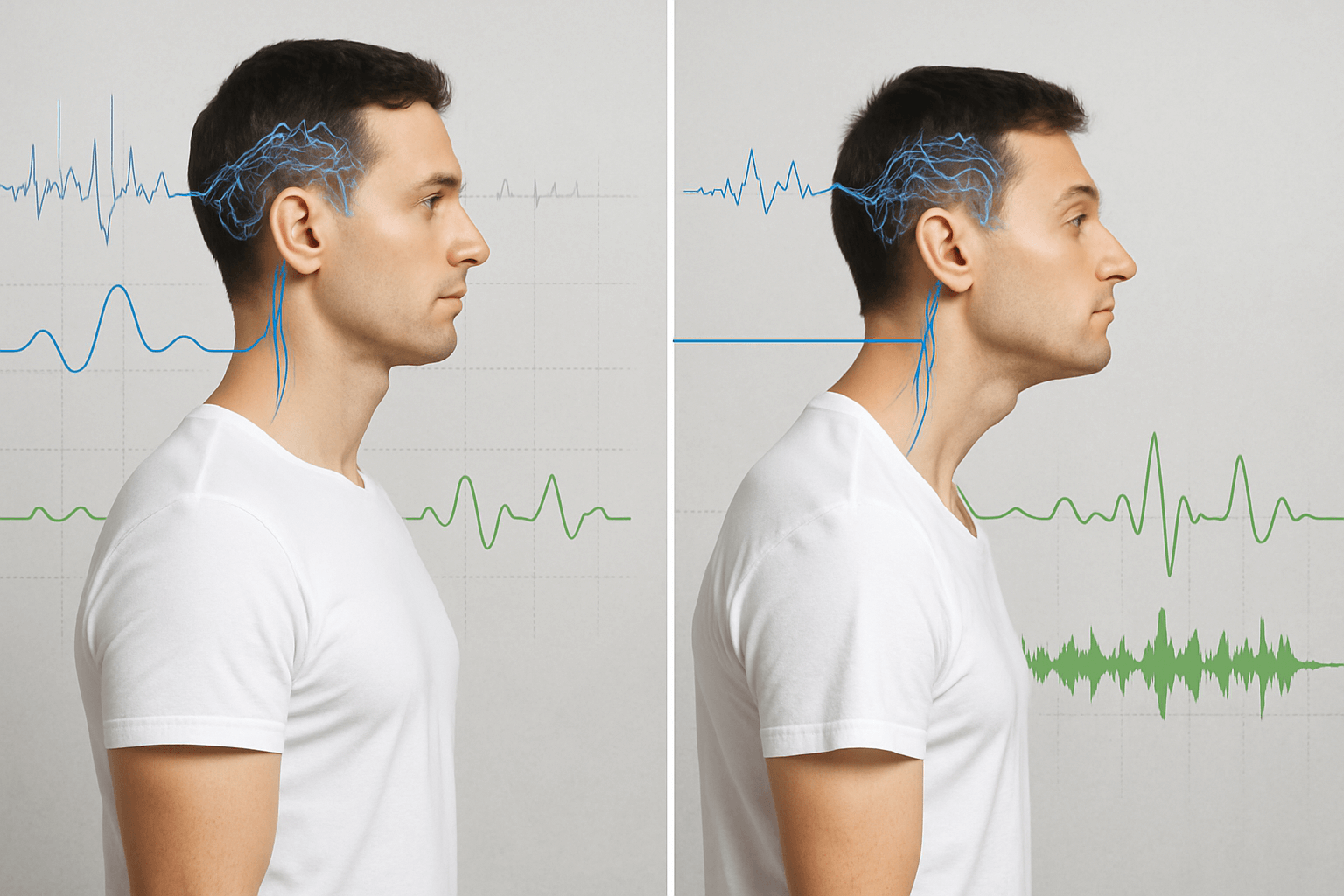
The human body works as a connected system, not a collection of separate parts. When one area becomes misaligned, the body compensates to keep you moving and functioning.
Over time, these compensations build up. What starts as a subtle imbalance can eventually lead to discomfort, reduced mobility, and recurring pain in completely different areas of the body.
Understanding how structural imbalance works is the first step toward identifying why symptoms persist—and what it takes to address them properly.
Jump To:
- TLDR Quick Guide
- What Is Structural Imbalance?
- How the Body Compensates
- Why Symptoms Show Up in Different Areas
- Common Symptoms Linked to Structural Imbalance
- Why Traditional Treatments Often Fall Short
- Long-Term Effects of Ignoring Structural Imbalance
- How Structural Correction Helps
- Why Early Awareness Matters
- Key Takeaways
- FAQs
TLDR Quick Guide
- Structural imbalance affects how your entire body moves and functions
- Small misalignments can trigger widespread symptoms over time
- The body compensates, often creating pain in different areas
- Fixing symptoms without correcting structure leads to recurring issues
- Learn more about solutions like Advanced BioStructural Correction
What Is Structural Imbalance?
More Than Just Poor Posture
Structural imbalance occurs when the body’s alignment shifts away from its natural position.
This can involve:
- pelvis tilting
- spine rotating or shifting
- uneven weight distribution
Unlike temporary posture issues, structural imbalance is often something the body cannot fully correct on its own.
How the Body Compensates
Survival Over Symmetry
Your body is designed to keep you moving—even if alignment isn’t perfect.
When imbalance occurs:
- muscles adapt to support the shift
- joints take on uneven stress
- movement patterns change
These compensations help you function short term, but they often create long-term strain in other areas.
Why Symptoms Show Up in Different Areas
The Chain Reaction Effect
One of the most confusing aspects of structural imbalance is that symptoms don’t always appear where the problem starts.
For example:
- a pelvic tilt can lead to back pain
- spinal misalignment can cause headaches
- uneven weight distribution can affect knees or hips
This is why many people seek solutions like back pain relief without realizing the root cause may lie elsewhere in the body.
Common Symptoms Linked to Structural Imbalance
What to Watch For
Structural imbalance can contribute to a wide range of symptoms, including:
- chronic back or neck pain
- uneven shoulders or hips
- headaches or tension
- reduced flexibility
- fatigue during movement
These symptoms often develop gradually, making them easy to overlook until they become persistent.
Why Traditional Treatments Often Fall Short
Treating the Symptom, Not the Source
Many treatments focus on relieving discomfort rather than correcting alignment.
This may include:
- stretching
- massage
- temporary adjustments
While these can provide relief, they don’t address the structural issue. Without correcting alignment, the body continues to compensate—and symptoms return.
The Role of Posture in Structural Health
Posture Reflects Deeper Imbalances
Posture is often the most visible sign of structural imbalance.
However, it’s not just about standing up straight. It’s about how your body holds itself at rest and during movement.
Approaches like posture correction aim to improve alignment by addressing the underlying structure, not just surface appearance.
Long-Term Effects of Ignoring Structural Imbalance
Small Issues Become Bigger Problems
When left unaddressed, structural imbalance can lead to:
- increased joint wear
- reduced mobility
- chronic pain cycles
- decreased physical performance
The longer the body compensates, the more ingrained these patterns become.
How Structural Correction Helps
Restoring Balance Instead of Managing Symptoms
Rather than masking symptoms, structural correction focuses on improving alignment.
This may involve:
- identifying key areas of misalignment
- reducing compensation patterns
- restoring natural balance
Clinics like Upright Posture emphasize addressing structural issues to support long-term improvement and function.
Why Early Awareness Matters
Prevention Is Easier Than Correction
Recognizing structural imbalance early allows you to:
- reduce long-term strain
- improve movement efficiency
- prevent secondary issues
Even small adjustments in awareness and care can make a significant difference over time.
Key Takeaways
- Structural imbalance affects the entire body, not just one area
- The body compensates, creating symptoms in unexpected places
- Treating symptoms alone does not fix the root problem
- Posture often reflects deeper structural issues
- Long-term improvement requires addressing alignment
FAQs
What causes structural imbalance?
Structural imbalance can result from injury, repetitive movement, or long-term posture habits. Over time, these factors shift how the body distributes weight and movement. The body adapts, but not always in a balanced way.
Can structural imbalance cause chronic pain?
Yes, it can place uneven stress on muscles and joints. This often leads to recurring or persistent discomfort. Addressing alignment can help reduce these symptoms.
Is structural imbalance the same as poor posture?
Not exactly. Poor posture is often a visible sign of deeper structural issues. Structural imbalance involves underlying alignment that posture alone cannot fully correct.
Can exercise fix structural imbalance?
Exercise can help improve strength and flexibility. However, it may not fully correct structural misalignment. A targeted approach is usually needed for lasting results.
How do I know if I have a structural imbalance?
Signs include uneven shoulders, recurring pain, or feeling off-balance. These symptoms often appear gradually over time. A professional assessment can help identify the root cause.