Dizziness that seems to come from the back of the head or upper neck can be unsettling—especially when scans and standard tests come back normal. This pattern is commonly associated with suboccipital dizziness, a condition linked to dysfunction in the small but powerful muscles at the base of the skull. Understanding how upper-neck misalignment affects balance, nerve signaling, and muscle tension helps explain why symptoms persist and how targeted care may help.
Jump To:
TLDR Quick Guide
- Suboccipital dizziness often originates from dysfunction in the upper cervical spine.
- Tight or imbalanced suboccipital muscles can disrupt balance and head-position signals.
- Upper-neck misalignment affects nerves, blood flow, and proprioception.
- Addressing posture and structural alignment can reduce recurring symptoms.
- A thorough assessment is essential to identify the true source of dizziness.
What Is Suboccipital Dizziness?
The Role of the Suboccipital Muscles
The suboccipital muscles sit at the base of the skull and connect directly to the top cervical vertebrae. These muscles are densely packed with sensory receptors that help the brain understand head position and movement. When they become tight, inflamed, or imbalanced, the brain can receive distorted signals—leading to dizziness or disorientation.
Common Symptoms People Notice
People with suboccipital dizziness often describe:
- Lightheadedness or “floating” sensations
- Dizziness triggered by head movement
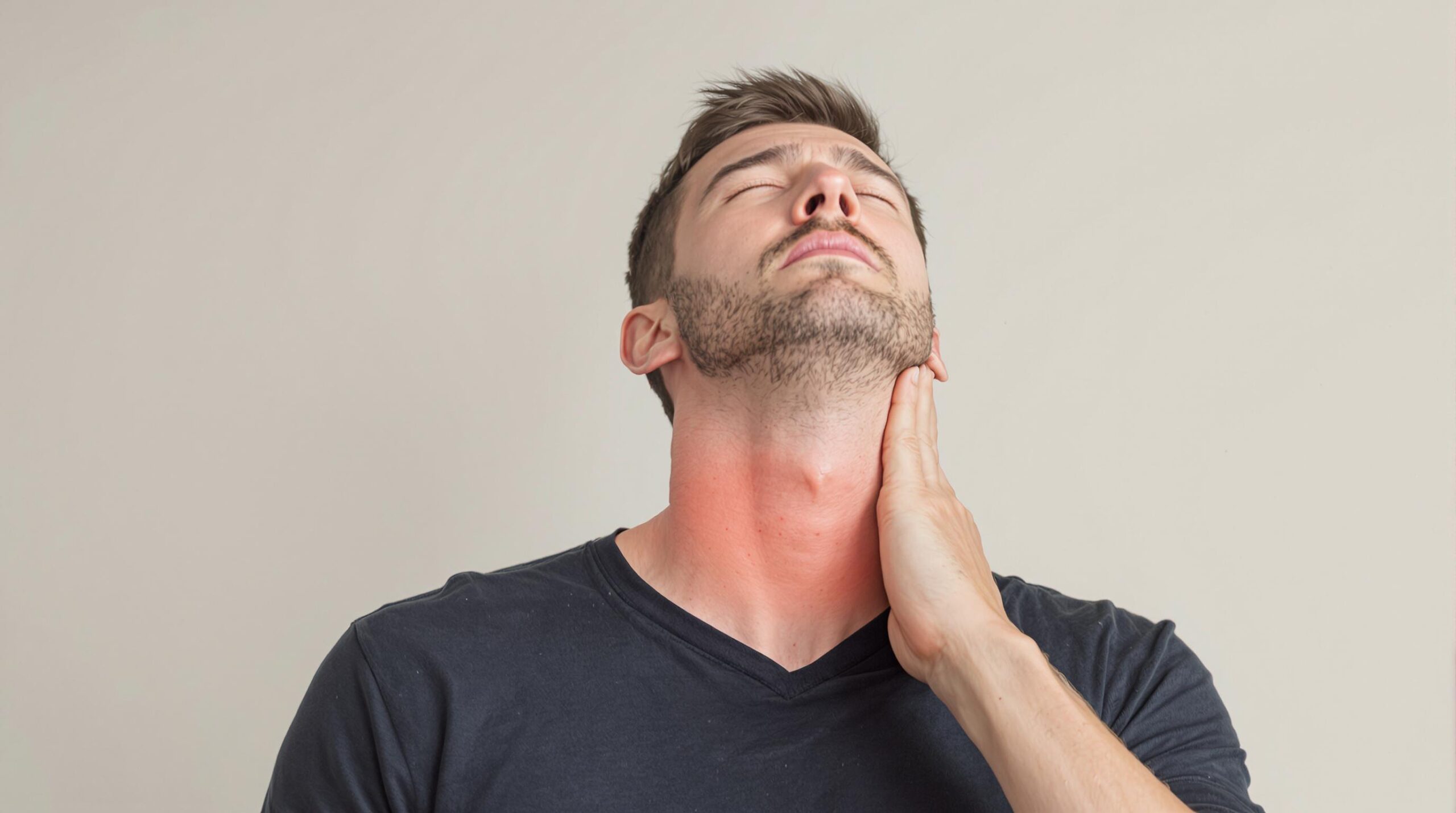
- Neck stiffness or pressure at the base of the skull
These symptoms may worsen with poor posture, prolonged screen use, or after neck strain.
How Upper-Neck Misalignment Triggers Dizziness
Disrupted Proprioception
The upper cervical spine plays a critical role in proprioception—the body’s sense of position. Misalignment in this area alters how sensory information travels to the brain. The result can be a mismatch between what the eyes see, what the inner ear detects, and what the neck reports.
Nerve and Vascular Irritation
Upper-neck misalignment may irritate nerves that pass between the skull and spine. In some cases, it can also affect blood flow regulation around the brainstem. While not dangerous in most cases, these disruptions can contribute to ongoing dizziness and head pressure.
Why Posture Often Makes Symptoms Worse
Forward Head Posture and Screen Use
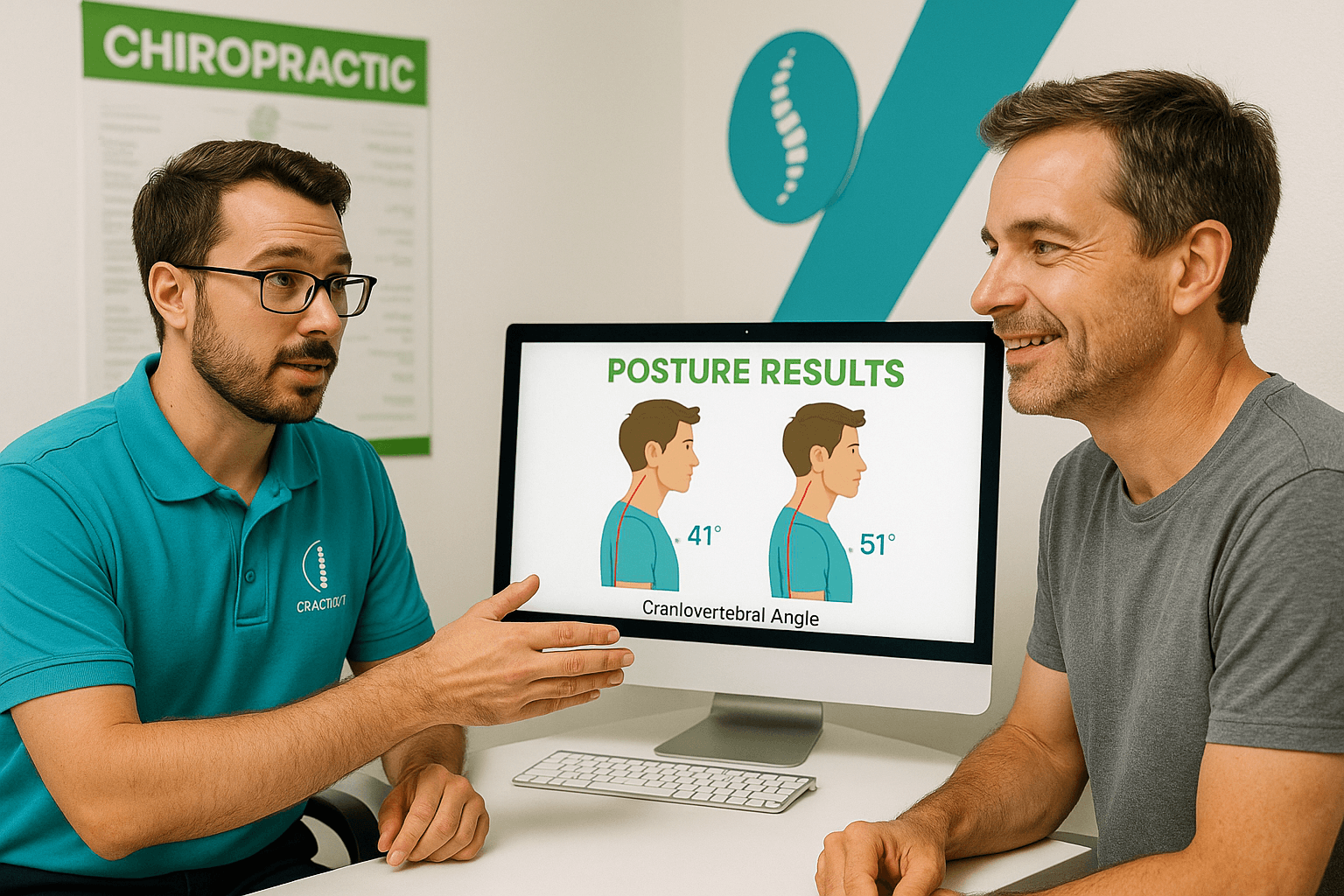
Modern posture places constant strain on the upper neck. Forward head posture increases load on the suboccipital muscles, forcing them to overwork just to keep the head upright. Over time, this leads to chronic tension and dysfunction.
Long-Term Structural Compensation
When posture issues persist, the body compensates elsewhere—shoulders elevate, the spine shifts, and muscle balance deteriorates. These adaptations can lock the upper neck into a misaligned position, making dizziness more frequent and harder to resolve.
Addressing the Root Cause, Not Just Symptoms
Why Temporary Relief Often Fails
Stretching, massage, or medication may provide short-term relief by relaxing tight muscles. However, if the underlying upper-neck alignment isn’t addressed, symptoms often return. Sustainable improvement requires correcting the structural imbalance driving muscle tension.
Structural Approaches to Upper-Neck Stability
Care models focused on posture and spinal balance aim to restore proper alignment rather than chase symptoms. Approaches like posture correction and targeted upper-cervical assessment can help reduce abnormal strain on the suboccipital muscles. In more complex cases, techniques such as Advanced BioStructural Correction™ are used to address whole-body alignment patterns contributing to neck dysfunction.
When to Seek Professional Assessment
Persistent or Worsening Symptoms
If dizziness is recurring, worsening, or accompanied by neck pain or headaches, a professional evaluation is recommended. A thorough assessment helps rule out other causes and identify whether upper-neck mechanics are contributing. Many people with chronic symptoms also experience related issues addressed through neck pain relief strategies.
Individualised Care Matters
No two cases of dizziness are identical. The most effective plans are tailored to the individual’s posture, movement patterns, and history. This personalised approach improves outcomes and reduces recurrence.
Key Takeaways
- Suboccipital dizziness is commonly linked to upper-neck dysfunction.
- Misalignment alters sensory signals that control balance and orientation.
- Poor posture and prolonged screen use often aggravate symptoms.
- Addressing structural alignment offers more lasting relief than symptom-only care.
- A detailed assessment is essential for accurate diagnosis and treatment planning.
FAQs
What exactly causes suboccipital dizziness?
Suboccipital dizziness is caused by dysfunction in the muscles and joints at the base of the skull. These structures influence balance signals sent to the brain. When they’re irritated or misaligned, dizziness can occur.
Is suboccipital dizziness the same as vertigo?
No, it’s different from classic vertigo, which often involves the inner ear. Suboccipital dizziness is typically neck-related and linked to posture or alignment issues. Symptoms may feel similar but have a different origin.
Can poor posture really cause dizziness?
Yes, poor posture—especially forward head posture—places constant stress on the upper neck. This can overload the suboccipital muscles and disrupt balance signals. Over time, dizziness may become more frequent.
How long does it take to improve suboccipital dizziness?
Improvement timelines vary depending on severity and how long the issue has been present. Some notice changes within weeks once alignment and posture are addressed. Long-standing cases may require a more gradual approach.
Should dizziness always be checked by a professional?
Yes, ongoing or unexplained dizziness should always be assessed by a qualified professional. This ensures serious conditions are ruled out and the correct cause is identified. Proper evaluation leads to safer, more effective care.