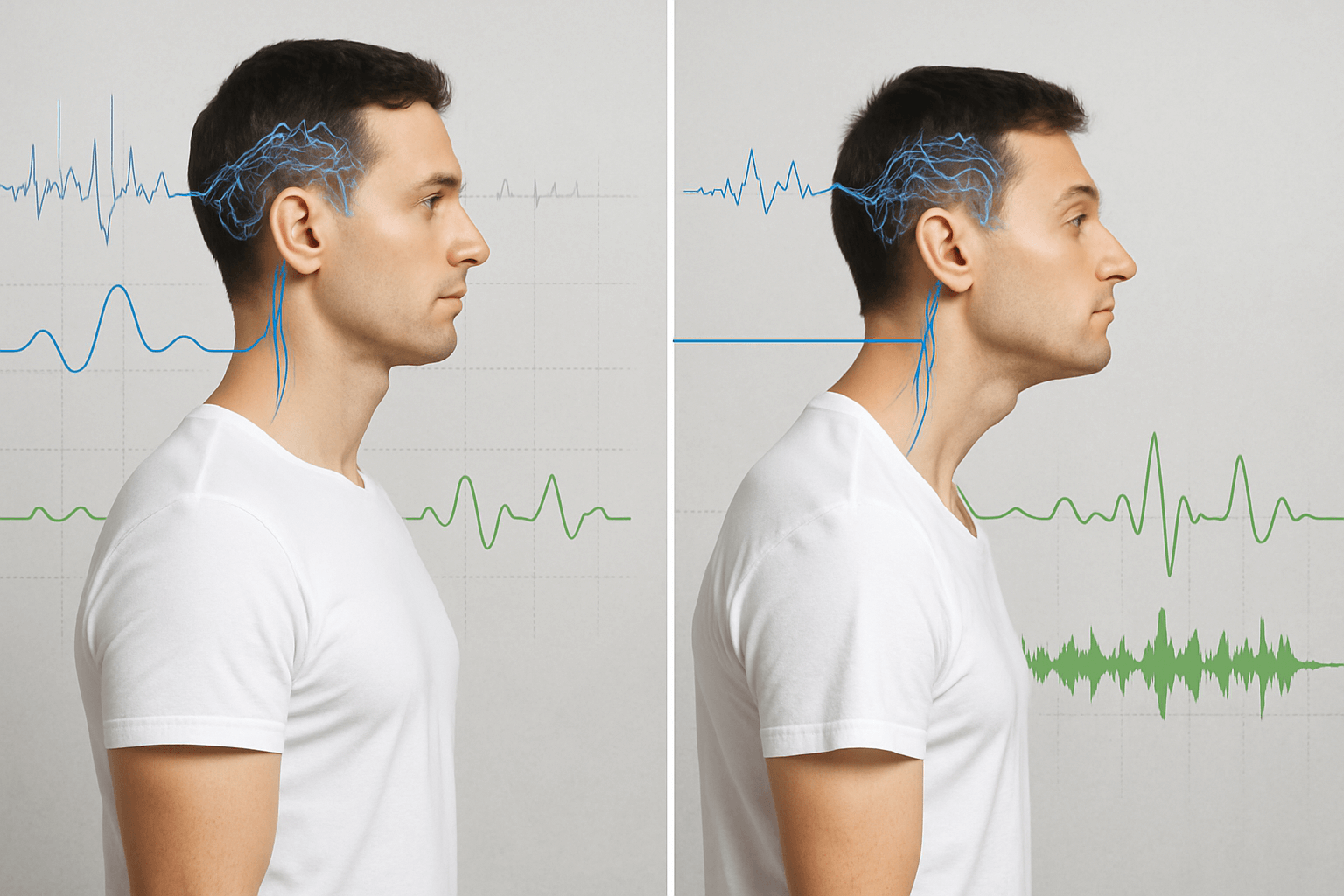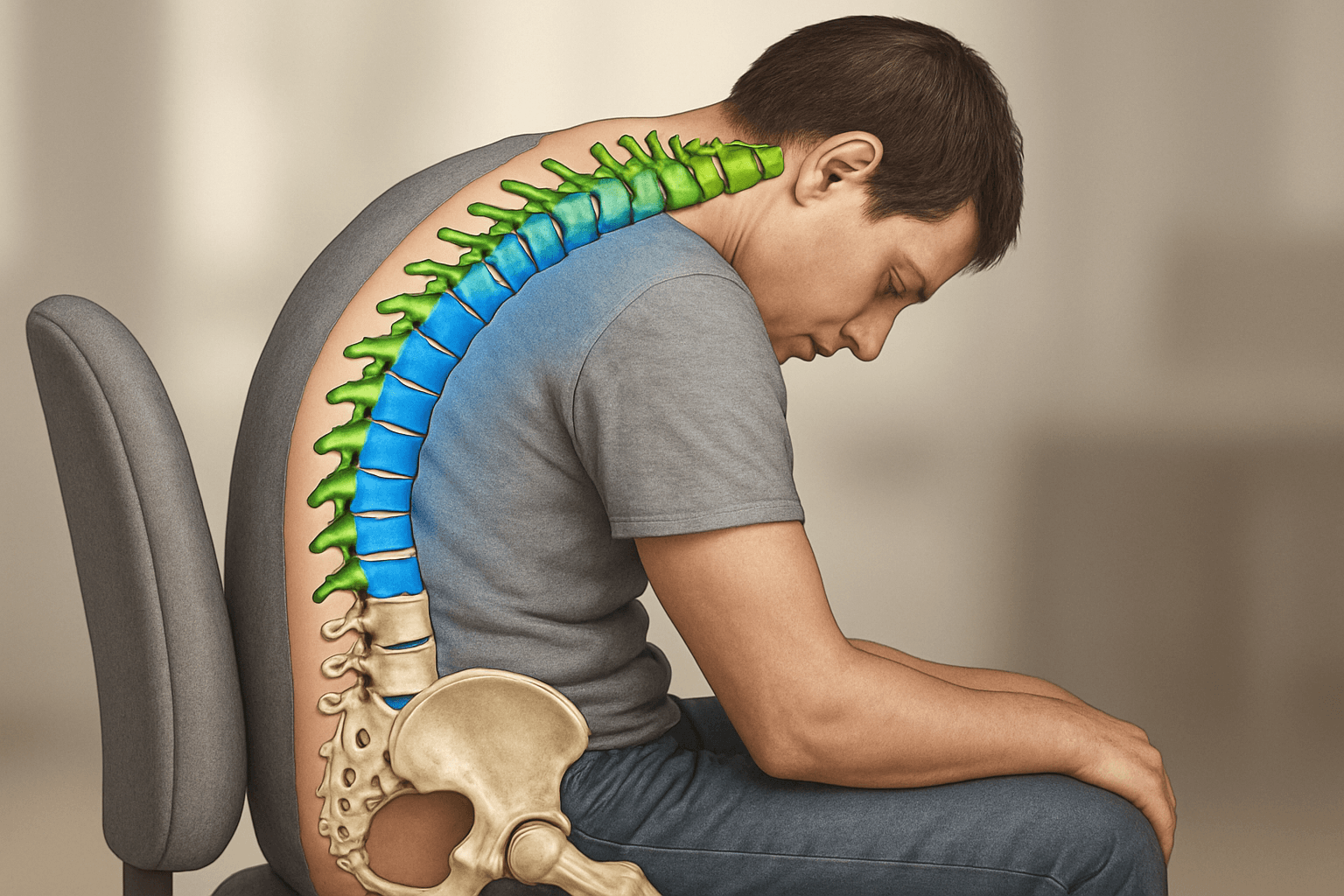
If you’ve ever noticed one shoulder sitting higher than the other, you’re not alone. Uneven shoulders are one of the most common posture-related issues people experience, often developing gradually without immediate pain or obvious cause.
While it may seem like a minor cosmetic issue at first, uneven shoulders usually signal a deeper structural imbalance in the body. Over time, this imbalance can lead to discomfort, reduced mobility, and long-term strain if left unaddressed.
Understanding why this happens is the first step toward correcting it—and restoring proper alignment.
Jump To:
TLDR Quick Guide
Why Uneven Shoulders Happen
- Postural imbalances from daily habits
- Muscle tightness or weakness
- Pelvic or spinal misalignment
- Carrying weight unevenly
- Compensation from injuries
Uneven shoulders are usually a symptom of a deeper alignment issue, not just a surface-level problem.
What Causes Uneven Shoulders?
Postural Habits Over Time
Daily habits play a major role in how your body aligns. Sitting unevenly, leaning to one side, or always carrying a bag on the same shoulder can gradually shift your posture.
Over time, these patterns become your default position, causing one shoulder to elevate or drop.
Muscle Imbalance
Muscles on one side of the body can become tighter or more dominant, pulling the shoulder upward. Meanwhile, weaker muscles on the opposite side fail to stabilize properly.
This imbalance creates a visible difference in shoulder height.
The Role of the Spine and Pelvis
Misalignment Starts Lower in the Body
Many people assume uneven shoulders are a shoulder problem—but they often originate from the spine or pelvis. If your pelvis is tilted or your spine is slightly misaligned, your upper body compensates to maintain balance.
This compensation is what causes one shoulder to appear higher.
Compensation Patterns
Your body is designed to keep your eyes level and maintain balance. When something is off structurally, it adjusts automatically—even if that means creating asymmetry elsewhere.
That’s why fixing the shoulders alone doesn’t solve the root issue.
How Uneven Shoulders Lead to Pain
Increased Strain on Muscles and Joints
When one shoulder sits higher, it places uneven stress on the surrounding muscles and joints. Over time, this can lead to tightness, fatigue, and discomfort.
Many people eventually experience symptoms that require support for shoulder pain and stiffness.
Long-Term Effects
If left uncorrected, uneven shoulders can contribute to:
- neck pain
- upper back tension
- reduced mobility
- headaches
These issues often develop gradually, making them easy to overlook until they become persistent.
Why Stretching Alone Doesn’t Fix It
Temporary Relief Without Structural Change
Stretching can help loosen tight muscles, but it doesn’t correct the underlying alignment problem. This is why the imbalance often returns.
Without addressing the root cause, the body continues compensating.
The Need for Structural Correction
To truly fix uneven shoulders, the body needs to be realigned. Approaches like posture correction focus on restoring balance across the entire body, not just the shoulders.
This creates lasting improvement instead of temporary relief.
How Structural Correction Improves Shoulder Alignment
Addressing the Root Cause
Rather than treating symptoms, structural correction targets the source of the imbalance. This includes the spine, pelvis, and overall posture.
Methods such as Advanced BioStructural Correction aim to restore proper alignment so the body no longer needs to compensate.
Restoring Natural Balance
Once alignment improves, the shoulders naturally begin to level out. The body no longer has to shift weight unevenly, reducing strain and improving posture.
This leads to better movement, comfort, and long-term stability.
When to Seek Professional Help
Persistent or Worsening Imbalance
If one shoulder is noticeably higher and doesn’t improve with basic adjustments, it’s time to look deeper. Structural issues rarely fix themselves.
Early intervention helps prevent long-term complications.
Accompanying Pain or Discomfort
If uneven shoulders are paired with pain, stiffness, or limited mobility, it’s a strong sign that the issue needs professional attention.
Addressing it early leads to faster and more effective results.
Key Takeaways
What You Should Remember
- Uneven shoulders are usually caused by structural imbalance
- The issue often starts in the spine or pelvis, not the shoulder
- Muscle tightness and posture habits reinforce the problem
- Stretching alone won’t fix the root cause
- Structural correction leads to long-term improvement
FAQs
Why is one shoulder higher than the other?
This usually happens due to structural imbalance or muscle asymmetry. The body compensates to maintain balance. Over time, this creates visible unevenness.
Can uneven shoulders correct themselves?
In most cases, no. Without addressing the underlying cause, the imbalance remains. Professional guidance is often needed for lasting correction.
Are uneven shoulders a serious problem?
They can become serious if left untreated. Over time, they may lead to pain and reduced mobility. Early correction helps prevent complications.
Can exercise fix uneven shoulders?
Exercise can help improve muscle balance but may not fix structural misalignment. Without correcting alignment, the issue can return. A combined approach works best.
When should I seek help for uneven shoulders?
If the imbalance is noticeable, persistent, or causing discomfort, it’s time. Early assessment leads to better outcomes. Don’t wait for pain to worsen.