Most headache treatments focus on symptoms. Painkillers, rest, hydration, or even stress management can help temporarily—but they rarely stop headaches from returning long term.
That’s because many chronic headaches are structurally driven. Problems in posture, spinal alignment, and muscle tension create ongoing stress on the body. This is why approaches focused on headache and migraine relief that address the underlying cause tend to produce longer-lasting results.
Jump To:
TLDR Quick Guide
- Headaches often return because the root cause isn’t corrected
- Poor posture creates constant strain on the neck and spine
- Structural misalignment affects nerves and circulation
- Temporary relief doesn’t solve long-term problems
- Correcting posture can significantly reduce recurring headaches
Why Headaches Keep Coming Back
Symptom Relief vs Root Cause
Most treatments are designed to reduce pain, not eliminate its source. While this can provide short-term relief, it doesn’t address what’s triggering the headache.
As a result, once the treatment wears off, the same issue continues—and the headaches return.
The Body Adapts to Dysfunction
Over time, your body adapts to poor posture and misalignment. Muscles compensate, joints shift, and tension builds gradually without you noticing.
This ongoing strain leads to recurring headaches that feel random—but are actually the result of long-term structural stress.
The Link Between Recurring Headaches and Posture
Forward Head Posture and Neck Strain
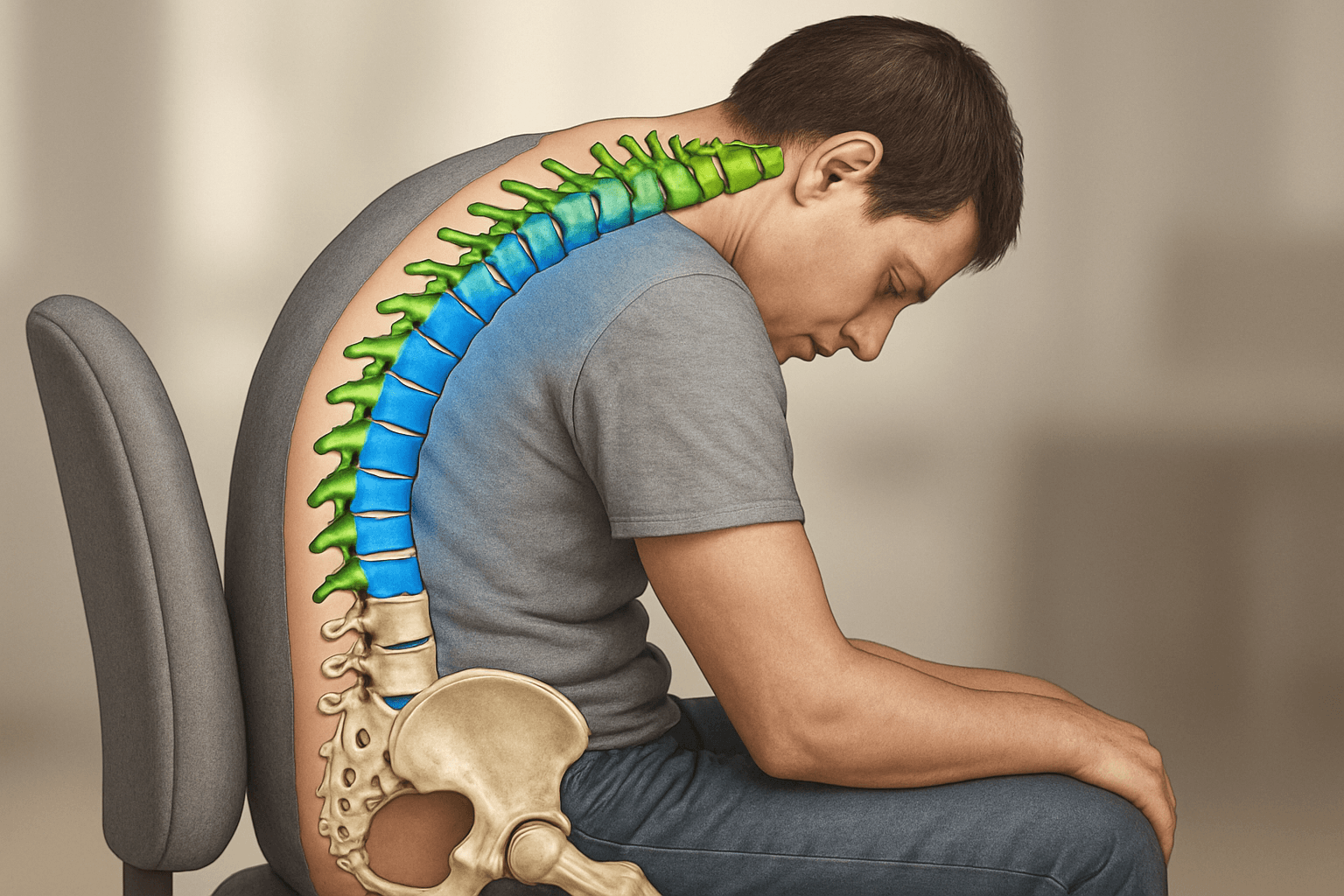
Forward head posture is one of the most common contributors to headaches. It often develops from prolonged screen use, desk work, or poor daily habits.
This position increases pressure on the neck and upper spine, creating muscle fatigue and triggering headaches over time.
Muscle Imbalance and Nerve Stress
When posture is off, certain muscles become overworked while others weaken. This imbalance leads to tension buildup and can compress nerves.
That combination of tension and nerve irritation is a major driver behind recurring headaches.
How Structural Misalignment Affects the Body
Nervous System Interference
The spine protects the nervous system, which controls how your body functions. When alignment is off, it can interfere with these signals.
This disruption can contribute to symptoms like headaches, fatigue, and reduced focus.
Impact on Blood Flow
Posture doesn’t just affect muscles—it also impacts circulation. Poor alignment can restrict optimal blood flow to the brain.
Studies like how spinal posture may influence brain blood flow show how posture directly affects brain function and headache patterns.
Why Temporary Treatments Don’t Work Long-Term
Pain Relief Doesn’t Fix Structure
Painkillers, massages, and quick fixes can help you feel better temporarily. But they don’t correct structural problems.
Without addressing alignment, the same stress continues—and so do the headaches.
Repeating the Same Daily Habits
If your posture stays the same, your body continues experiencing the same strain every day. Sitting, scrolling, and poor ergonomics all reinforce the problem.
Without correction, nothing changes—and neither do the symptoms.
How Correcting Posture Breaks the Cycle
Fixing the Root Cause
Long-term relief comes from addressing the underlying structure of the body. When alignment improves, the source of stress is reduced.
This is why methods like Advanced BioStructural Correction focus on restoring proper alignment rather than masking symptoms.
Restoring Natural Function
Once posture improves, the body functions more efficiently. Muscle tension decreases, nerve pressure is reduced, and circulation improves.
Over time, this leads to fewer headaches—and in many cases, lasting relief.
When Headaches May Be Structurally Driven
Common Signs to Look For
You may be dealing with posture-related headaches if you notice:
- Headaches after long periods of sitting
- Neck or shoulder tightness
- Relief when lying down
- Frequent upper back tension
- Poor posture habits throughout the day
These patterns suggest the issue may be structural rather than purely stress-related.
Chronic Cases Need Deeper Solutions
If you’ve tried multiple treatments without success, deeper structural correction may be necessary.
Advanced approaches like endonasal cranial correction can address alignment issues that standard treatments often miss.
Key Takeaways
What You Should Remember
- Recurring headaches and posture are strongly connected
- Most treatments only address symptoms, not causes
- Poor posture creates ongoing physical stress
- Structural misalignment affects nerves and circulation
- Correcting posture is essential for long-term relief
FAQs
Why do my headaches keep coming back?
Most treatments only reduce symptoms temporarily. If the underlying cause—like posture—is not corrected, the problem continues. This leads to recurring headaches over time.
Can posture really cause headaches?
Yes, poor posture places strain on the neck and spine. This can create muscle tension and nerve irritation. Over time, it can trigger consistent headaches.
Is posture correction better than medication?
Medication helps manage symptoms but doesn’t fix the cause. Posture correction addresses the root issue. Combining both may be helpful depending on the situation.