Typing “chiropractor near me” into Google is usually driven by pain, urgency, or frustration. Back pain, headaches, posture issues, or nerve symptoms push people to find the closest option fast. But what most people miss is that chiropractic care isn’t one-size-fits-all—and choosing based solely on distance or reviews can lead to temporary relief rather than real resolution.
This article breaks down what patients often overlook when searching for a chiropractor and how to choose care that addresses the root cause, not just the symptoms.
Jump To:
TLDR Quick Guide
- “Chiropractor near me” searches often prioritize convenience over effectiveness.
- Many people don’t realize chiropractic care varies widely in approach and outcomes.
- Symptom relief and structural correction are not the same thing.
- Understanding methods, assessments, and long-term goals matters more than proximity.
- Asking the right questions leads to better, longer-lasting results.
Not All Chiropractic Care Is the Same
Technique Matters More Than Location
Different methods, very different outcomes
Some chiropractors focus on short-term pain relief through repeated generic adjustments. Others specialize in structural correction, nervous system function, and long-term stability. Understanding the approach used is far more important than how close the clinic is.
Symptom-Based vs Root-Cause Care
Pain relief isn’t the same as correction
If care only addresses where it hurts, symptoms often return. Structural imbalances, posture breakdown, and cranial tension can drive recurring pain. Approaches like Advanced BioStructural Correction™ are designed to correct underlying imbalances rather than chase symptoms.
What Most People Overlook During Their Search
The Quality of the Initial Assessment
A proper evaluation sets the tone
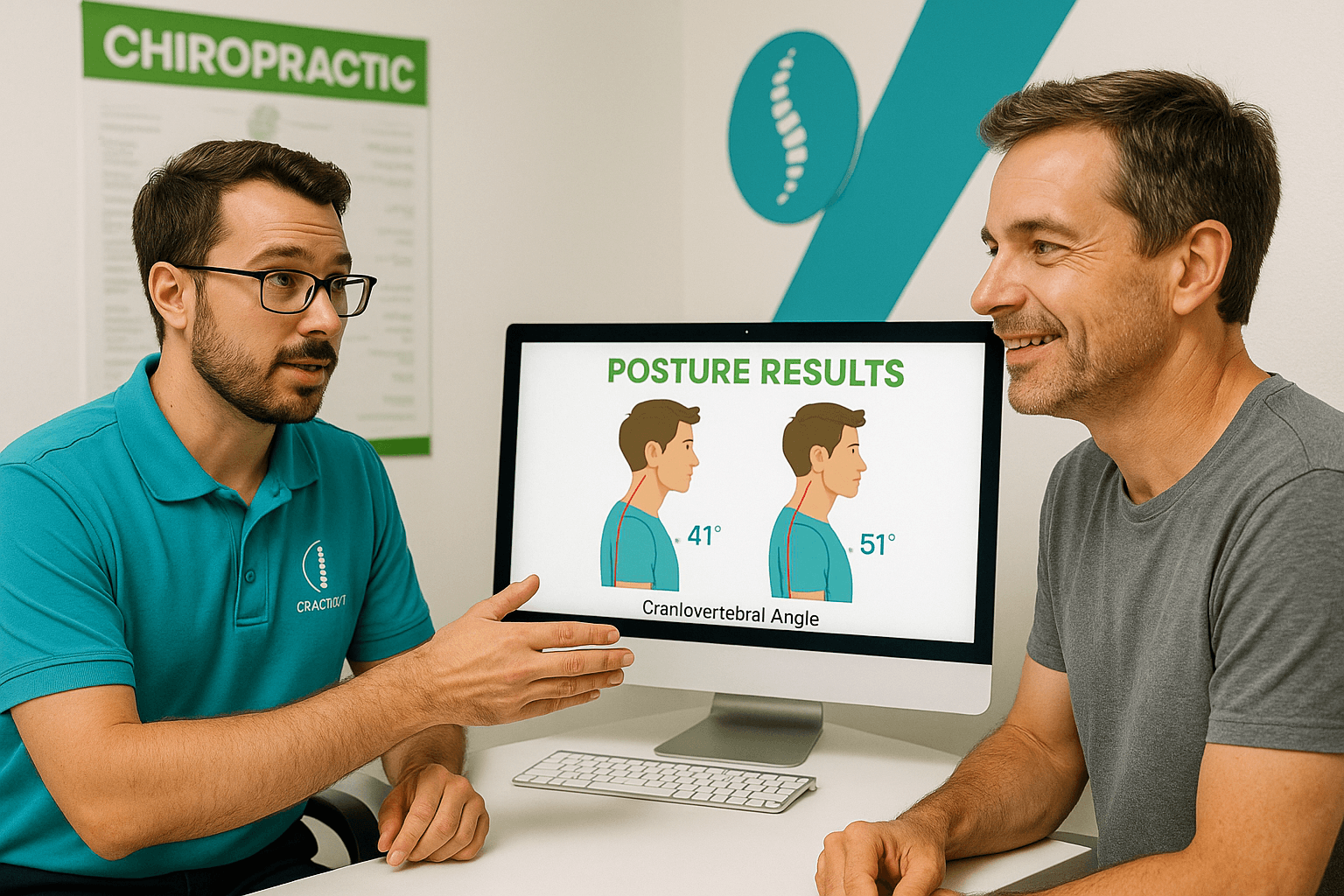
Many people don’t ask what the first visit includes. A thorough assessment should examine posture, spinal alignment, leg length, balance, overall body function. movement patterns, strength, mobility and nervous system stress—not just the painful area. Without this, treatment becomes guesswork.
Posture and Structural Alignment
Pain often starts elsewhere
Neck pain may originate from pelvic imbalance. Headaches can stem from cranial tension or poor posture. Clinics that focus on posture correction often uncover causes that standard adjustments miss.
Why Quick Relief Can Be Misleading
Temporary Relief vs Lasting Change
Feeling better doesn’t always mean getting better
Pain relief after an adjustment feels encouraging, but it may not last. If structural stress remains, symptoms usually return. Long-term improvement requires stabilizing the body, not constantly resetting it.
The Role of the Nervous System
Pain is often a neurological response
Structural imbalance places constant stress on the nervous system. This can contribute to headaches, fatigue, breathing issues, and chronic pain. Techniques such as ABC Endonasal Cranial Correction address cranial and neurological components often ignored in standard care.
Choosing the Right Chiropractor Near You
Questions Most People Don’t Ask (But Should)
Clarity prevents wasted time and money
Ask how progress is measured, what correction looks like, and how long changes are expected to last. Ask whether care aims to stabilize the body or requires ongoing frequent visits indefinitely. The answers reveal the clinic’s philosophy.
Condition-Specific Experience
Experience matters for complex cases
Neck pain, scoliosis, migraines, and sciatica all require different considerations. Clinics that treat conditions like neck pain relief or structural disorders regularly are better equipped to handle complex presentations. Generic care often falls short for chronic cases.
When “Near Me” Isn’t the Best Filter
Traveling for the Right Care
Results outweigh convenience
Many patients are willing to travel further once they understand the difference in care quality. Fewer visits with meaningful correction often beat frequent appointments with temporary relief. Outcomes matter more than distance.
Long-Term Value Over Short-Term Ease
Fixing the problem saves time in the long run
Choosing the wrong care can mean months or years of recurring pain. Effective structural correction reduces long-term dependence on treatment. The right choice upfront prevents frustration later.
Key Takeaways
- Searching “chiropractor near me” often leads people to prioritize convenience over results.
- Chiropractic approaches vary widely in goals and effectiveness.
- Symptom relief alone doesn’t address underlying structural issues.
- Proper assessment, posture analysis, and nervous system function focus matters.
- Asking better questions leads to better outcomes.
FAQs
Is every chiropractor trained the same way?
All chiropractors receive foundational training, but techniques and philosophies differ greatly. Some focus on symptom relief, others on structural correction. The method used affects long-term outcomes.
Why does my pain keep coming back after adjustments?
Recurring pain often means the underlying imbalance wasn’t corrected. Temporary adjustments may relieve pressure briefly. Structural stress causes symptoms to return.
How do I know if a chiropractor treats root causes?
Ask about assessments, posture analysis, and how progress is measured. Clinics focused on correction can explain why symptoms occur. Vague answers usually indicate symptom-based care.
Should chiropractic care always be ongoing?
Not necessarily. Some approaches aim to stabilize the body so care becomes less frequent or unnecessary. Ongoing treatment should have a clear purpose.
Is it worth traveling farther for better chiropractic care?
For many patients, yes. Effective care often reduces total visits and long-term pain. Results matter more than proximity.