Many people searching for relief from back pain, neck tension, or poor posture begin by looking at footwear. The idea behind orthopedic shoes and better posture is simple: if the feet are properly supported, the rest of the body may naturally align itself better.
Footwear plays an important role in overall body mechanics because every step you take sends forces upward through the ankles, knees, hips, and spine. When shoes fail to provide adequate support, these forces can create imbalances that affect posture and movement patterns.
Orthopedic shoes are designed to improve foot stability, support the arch, and reduce stress on joints. These features can certainly help some individuals maintain better walking mechanics and reduce strain on the body. However, posture is influenced by many factors beyond footwear alone.
In many cases, long-term posture issues originate from deeper structural imbalances in the spine or pelvis. This is why treatments focused on restoring structural alignment—such as posture correction—are often necessary to achieve lasting improvements in posture and spinal health.
Understanding the relationship between footwear, body mechanics, and spinal alignment can help people make smarter decisions when trying to improve their posture.
Jump To:
Quick Facts About Orthopedic Shoes and Posture
- Orthopedic shoes support foot alignment and improve walking stability.
- Proper footwear can reduce strain on joints and muscles.
- Footwear alone may not correct deeper spinal alignment problems.
- Structural posture problems often require targeted care.
- Treatments like Advanced BioStructural Correction aim to correct underlying spinal misalignment.
Footwear can help support posture, but true alignment improvements often require addressing structural issues within the body.
How Footwear Influences Body Alignment
The Body’s Kinetic Chain
The human body works as a connected system known as the kinetic chain. This means that movement or misalignment in one area can influence other parts of the body.
When the feet are unstable or unsupported, it can cause the ankles to roll inward or outward. This misalignment can travel upward, affecting the knees, hips, and eventually the spine. Over time, these compensations may lead to chronic tension, discomfort, or poor posture.
Supportive footwear can help stabilize the base of this chain. By improving foot mechanics, orthopedic shoes may reduce excessive strain placed on other joints.
However, footwear alone cannot always correct structural imbalances that already exist higher in the body.
Natural Foot Movement and Alignment
In recent years, some researchers and clinicians have explored alternatives to traditional orthopedic footwear. One growing area of interest involves footwear that encourages more natural foot movement.
For example, some individuals experiment with barefoot shoes for foot pain alignment, which aim to strengthen the feet and restore natural walking mechanics rather than relying on rigid support.
These approaches highlight an important point: foot health and posture are closely connected, but footwear is only one part of the overall picture.
Can Orthopedic Shoes Improve Posture?
Situations Where Orthopedic Shoes Help
Orthopedic shoes can provide real benefits for individuals with certain foot conditions. People with flat feet, plantar fasciitis, or uneven weight distribution may experience improved comfort and stability with supportive footwear.
By stabilizing the feet and ankles, orthopedic shoes can help improve walking mechanics and reduce excessive strain on joints. This can sometimes lead to modest improvements in posture, especially for individuals whose posture issues originate from poor foot alignment.
Proper footwear can also help reduce fatigue during long periods of standing or walking.
The Limitations of Footwear
While orthopedic shoes can improve comfort and support, they often address symptoms rather than root causes.
If the spine or pelvis is structurally misaligned, changing footwear may not correct the underlying problem. In these cases, posture issues often persist even when supportive shoes are used.
This is why some patients explore structural treatments like Advanced BioStructural Correction, which focuses on correcting spinal alignment and reducing long-term stress on the nervous system.
The Role of Structural Alignment in Posture
Why the Spine Determines Posture
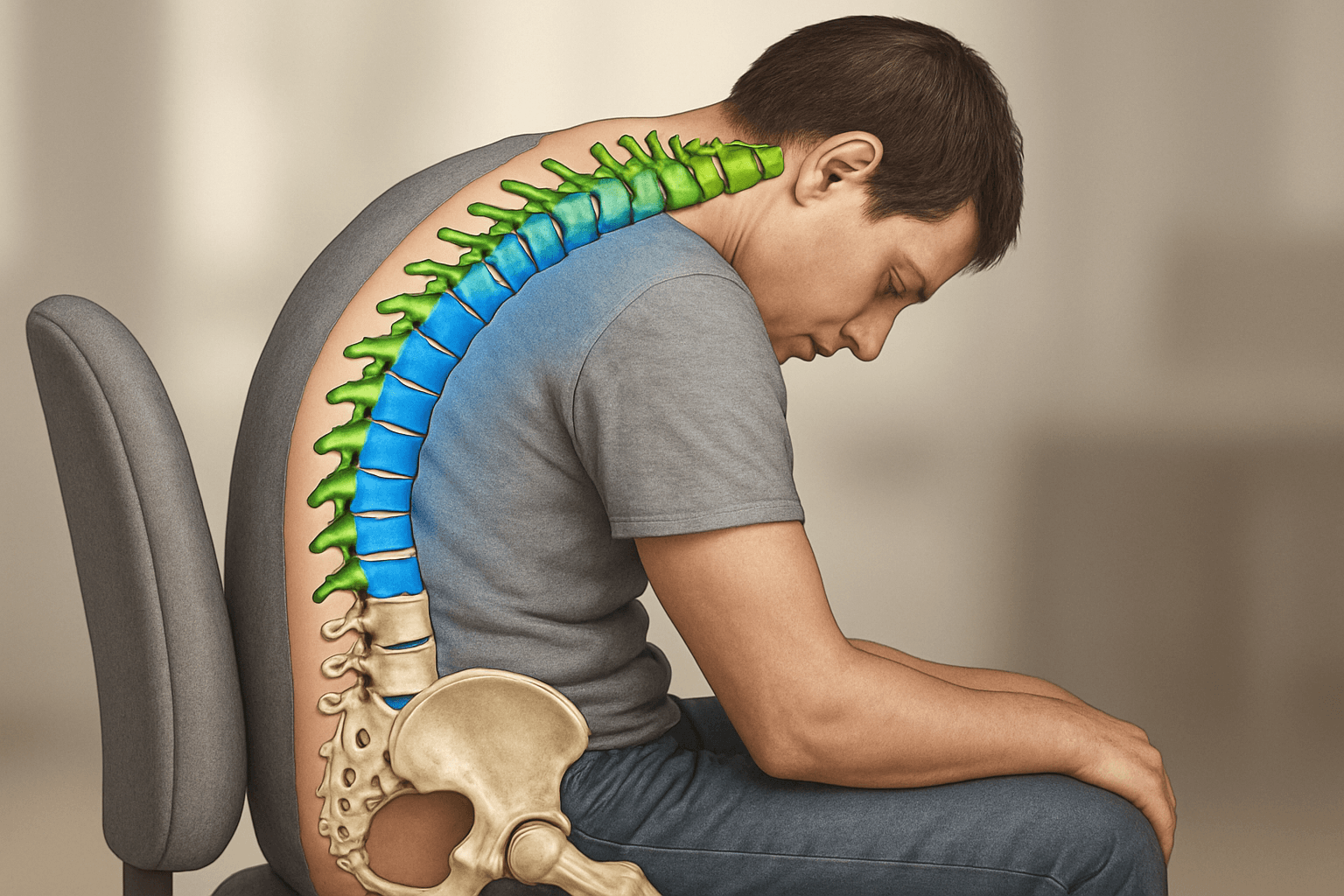
Posture is primarily determined by the alignment of the spine and pelvis. When these structures shift out of their optimal position, the body must compensate through muscle tension and altered movement patterns.
These compensations can lead to chronic pain, stiffness, headaches, or nerve irritation. Even with supportive footwear, the body may continue to struggle with alignment if the spine itself is not properly balanced.
This is why posture care often involves more than just lifestyle changes or supportive shoes.
Addressing the Root Cause
When structural misalignment is corrected, the body often regains its ability to maintain upright posture naturally. Muscles can relax, movement patterns improve, and pressure on nerves may decrease.
Care approaches that focus on spinal alignment aim to restore the body’s natural structural balance rather than simply masking symptoms.
This approach can be especially helpful for individuals experiencing long-term posture problems or recurring pain.
Choosing Footwear That Supports Better Posture
Features to Look For
While footwear alone may not correct posture problems, choosing supportive shoes can still benefit overall body mechanics.
Important features include:
- Proper arch support
- Stable heel support
- Adequate cushioning
- Enough room for natural toe movement
Shoes that promote balanced foot positioning can reduce unnecessary strain placed on the rest of the body.
Combining Footwear With Posture Care
Footwear should be viewed as one component of a broader approach to health and posture. When combined with posture training, strengthening exercises, and structural care, supportive shoes can help maintain better movement patterns.
For individuals experiencing persistent posture problems, addressing spinal alignment may provide the most significant improvements.
Clinics such as Upright Posture in Birmingham specialize in identifying and correcting structural issues that contribute to long-term posture challenges.
Key Takeaways
- Orthopedic shoes can improve foot stability and walking mechanics.
- Footwear may help reduce joint strain and support better movement patterns.
- Posture problems often originate from structural misalignment in the spine.
- Supportive shoes alone rarely correct long-term posture issues.
- Combining footwear choices with structural posture care can provide better long-term results.
FAQs
Do orthopedic shoes really improve posture?
Orthopedic shoes can improve posture slightly by supporting the feet and improving walking mechanics. Better foot stability may reduce strain on the knees and hips. However, they usually do not correct structural misalignment in the spine.
Can poor footwear cause posture problems?
Yes, poorly designed shoes can contribute to posture issues. Lack of support may cause the feet to roll inward or outward, affecting the alignment of the legs and hips. Over time, these imbalances can influence spinal posture.
Are orthopedic shoes necessary for everyone?
Not everyone needs orthopedic shoes. Many people maintain good posture with supportive everyday footwear. Orthopedic shoes are typically recommended for individuals with specific foot conditions.
What is the most effective way to improve posture long term?
Improving posture long term often requires addressing structural alignment in the spine and pelvis. Exercises and supportive footwear can help, but structural care may be necessary for deeper imbalances. Correcting the root cause of misalignment provides the most lasting results.
Can posture problems cause other health issues?
Yes, posture problems can contribute to headaches, neck pain, shoulder tension, and lower back discomfort. Misalignment can place stress on muscles and nerves throughout the body. Over time, this stress may lead to chronic pain and reduced mobility.