Barefoot shoes have gained massive popularity in recent years, especially among people looking to improve posture, reduce pain, and move more naturally. The idea behind barefoot footwear is simple: mimic walking barefoot while still protecting your feet. Advocates claim that these shoes strengthen foot muscles, improve alignment, and enhance overall posture.
However, there is growing debate around barefoot shoes posture problems. While some people experience improved balance and mobility, others report increased discomfort, foot strain, and even worsening posture. The truth lies somewhere in between—barefoot shoes can be beneficial, but only when used correctly and in the right context.
Understanding whether barefoot shoes actually improve posture or introduce hidden issues requires looking beyond marketing claims. It involves examining biomechanics, lifestyle habits, and how the body adapts to different types of footwear.
Jump To:
TLDR Quick Guide
- Barefoot shoes can improve posture by promoting natural foot movement.
- They may also cause strain if introduced too quickly.
- Not everyone benefits—lifestyle and posture habits matter.
- Poor transition can lead to pain in feet, knees, or back.
- Combining footwear changes with posture correction is key.
What Are Barefoot Shoes and How Do They Affect Posture?
Barefoot shoes are designed with minimal cushioning, a wide toe box, and zero heel drop. This design allows the foot to move more naturally compared to traditional shoes, which often restrict movement and elevate the heel.
The theory is that by removing artificial support, the body is forced to engage stabilizing muscles in the feet, ankles, and legs. This can lead to improved balance and a more natural walking pattern. Over time, this may positively influence posture by aligning the body from the ground up.
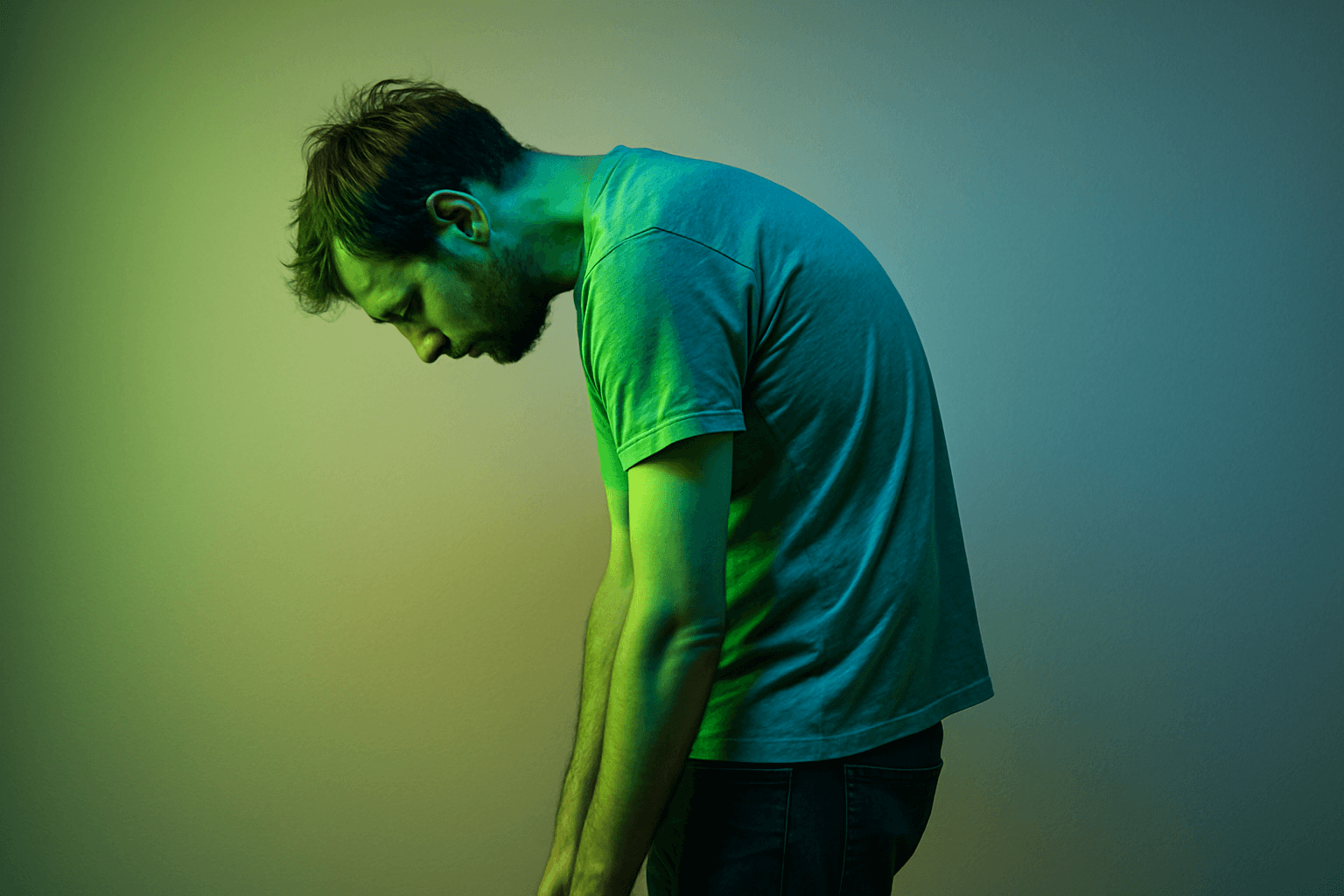
However, posture is not just about the feet. It involves the entire kinetic chain—from the feet to the spine and even the head. While barefoot shoes can influence lower-body alignment, they do not automatically correct poor posture habits such as slouching or forward head positioning.
For a deeper understanding of how footwear choices compare, you can explore this guide on best barefoot shoe options and how they affect movement.
The Connection Between Feet and Posture
The feet act as the foundation of the body. Any imbalance at the foot level can affect the alignment of the knees, hips, and spine. When footwear alters foot positioning, it can influence how weight is distributed throughout the body.
Barefoot shoes encourage a more even weight distribution and natural gait. This can help reduce certain postural compensations caused by traditional footwear. However, if the body is already misaligned, simply switching shoes will not fully correct the issue.
True posture improvement requires addressing the root cause of misalignment, not just surface-level changes.
The Benefits of Barefoot Shoes for Posture
Barefoot shoes offer several potential benefits when used appropriately. These benefits are primarily related to improved movement mechanics and muscle engagement.
Improved Foot Strength and Stability
One of the biggest advantages of barefoot shoes is increased foot strength. Without heavy cushioning and arch support, the foot muscles must work harder to stabilize the body.
Stronger feet can lead to better balance and improved control during movement. This can contribute to better posture by creating a more stable foundation for the body.
Encourages Natural Movement Patterns
Barefoot shoes promote a walking style that is closer to natural human movement. This often includes shorter strides and midfoot or forefoot striking instead of heavy heel striking.
These movement patterns can reduce impact forces and encourage a more aligned posture during walking and standing.
Better Awareness of Body Alignment
Wearing barefoot shoes can increase proprioception, or body awareness. This heightened awareness helps individuals notice how they stand, walk, and distribute weight.
However, awareness alone is not enough. Many people still need structured guidance to correct posture effectively. Learning proper alignment through resources like best sitting posture can complement footwear changes.
Hidden Problems with Barefoot Shoes
While barefoot shoes have clear benefits, they are not without risks. Many people experience issues because they transition too quickly or rely solely on footwear to fix posture.
Sudden Transition Can Cause Pain
Switching from cushioned shoes to barefoot shoes too quickly can put excessive strain on muscles and tendons that are not yet conditioned.
Common issues include:
- Foot soreness
- Achilles tendon strain
- Calf tightness
- Knee discomfort
The body needs time to adapt to new movement patterns.
Not a Complete Posture Solution
Barefoot shoes address only one part of the posture equation—the feet. They do not correct spinal misalignment, muscle imbalances, or poor daily habits.
For example, someone who spends hours sitting with poor posture may still experience pain even when wearing barefoot shoes. Addressing deeper structural issues through solutions like posture correction is often necessary for long-term improvement.
Can Expose Existing Weaknesses
Barefoot shoes remove support, which means any existing weaknesses in the body become more noticeable. While this can be beneficial for long-term correction, it can also lead to discomfort if not managed properly.
Without proper guidance, individuals may misinterpret this discomfort as failure rather than part of the adaptation process.
When Barefoot Shoes Help vs When They Don’t
Barefoot shoes can be highly effective for some individuals but problematic for others. The key factor is how they are used and whether they are combined with proper posture habits.
When They Help
Barefoot shoes are beneficial when:
- The user transitions gradually
- The individual actively works on posture
- Foot strength and mobility are improved over time
- They are used alongside proper movement habits
In these cases, barefoot shoes can support better alignment and reduce unnecessary strain.
When They Cause Problems
Barefoot shoes may cause issues when:
- Transition is too fast
- Existing posture problems are ignored
- They are used as a “quick fix”
- There is no focus on overall body alignment
Without addressing the full body, footwear alone cannot resolve posture issues.
Key Takeaways
- Barefoot shoes posture problems often arise from improper use, not the shoes themselves.
- They can improve posture by strengthening feet and encouraging natural movement.
- Transitioning too quickly can lead to discomfort and injury.
- Footwear alone cannot fix posture—full-body alignment is essential.
- Combining barefoot shoes with proper posture strategies delivers the best results.
FAQs
Are barefoot shoes good for posture?
Barefoot shoes can support better posture by encouraging natural movement and strengthening foot muscles. However, they do not automatically correct posture issues. Proper posture habits and alignment techniques are still necessary.
Why do barefoot shoes sometimes cause pain?
Pain usually occurs when people transition too quickly without allowing the body to adapt. Muscles and tendons need time to adjust to increased workload. Gradual use helps prevent discomfort.
Can barefoot shoes fix back pain?
Barefoot shoes may help reduce certain types of back pain by improving alignment and movement patterns. However, they do not address deeper structural issues. Additional posture correction strategies are often required.
How long does it take to adjust to barefoot shoes?
Adjustment time varies depending on the individual and their current foot strength. Some people adapt within a few weeks, while others may take several months. Gradual use is key to avoiding injury.
Should everyone switch to barefoot shoes?
Barefoot shoes are not suitable for everyone. People with certain conditions or severe posture issues may need additional support or guidance. It is important to assess individual needs before making the switch.