At first glance, putting more weight on one foot seems like a minor issue. It often feels comfortable and effortless, so most people ignore it. But that “comfortable” position is usually your body compensating for deeper structural imbalances.
Understanding uneven weight distribution posture is critical because it’s rarely random. It’s a sign that your body is adapting to misalignment, weakness, or past injury. If left uncorrected, it can gradually affect your spine, hips, knees, and even your breathing patterns.
Jump To:
- TLDR Quick Guide
- The Real Reason You Lean on One Side
- How Posture Affects Weight Distribution
- Common Causes of Uneven Weight Distribution
- What Happens If You Ignore It
- Why “Standing Straight” Doesn’t Fix It
- How to Fix Uneven Weight Distribution Posture
- Signs You Have Uneven Weight Distribution
- Key Takeaways
- FAQs
TLDR Quick Guide
Why uneven weight distribution posture happens:
- Structural misalignment in the spine or pelvis
- Compensation from past injuries
- Muscle imbalances and weakness
- Habitual standing patterns over time
- Nervous system adaptations
Fixing it requires addressing the root cause—not just standing evenly.
The Real Reason You Lean on One Side
Your Body Is Compensating
Your body is constantly trying to stay balanced—even if that means creating imbalance elsewhere. When one area isn’t functioning properly, another area takes over.
This leads to weight shifting, often without you realizing it.
Structural Imbalance, Not Just Habit
Many people assume uneven standing is just a habit. In reality, it’s usually driven by structural issues in the spine or pelvis.
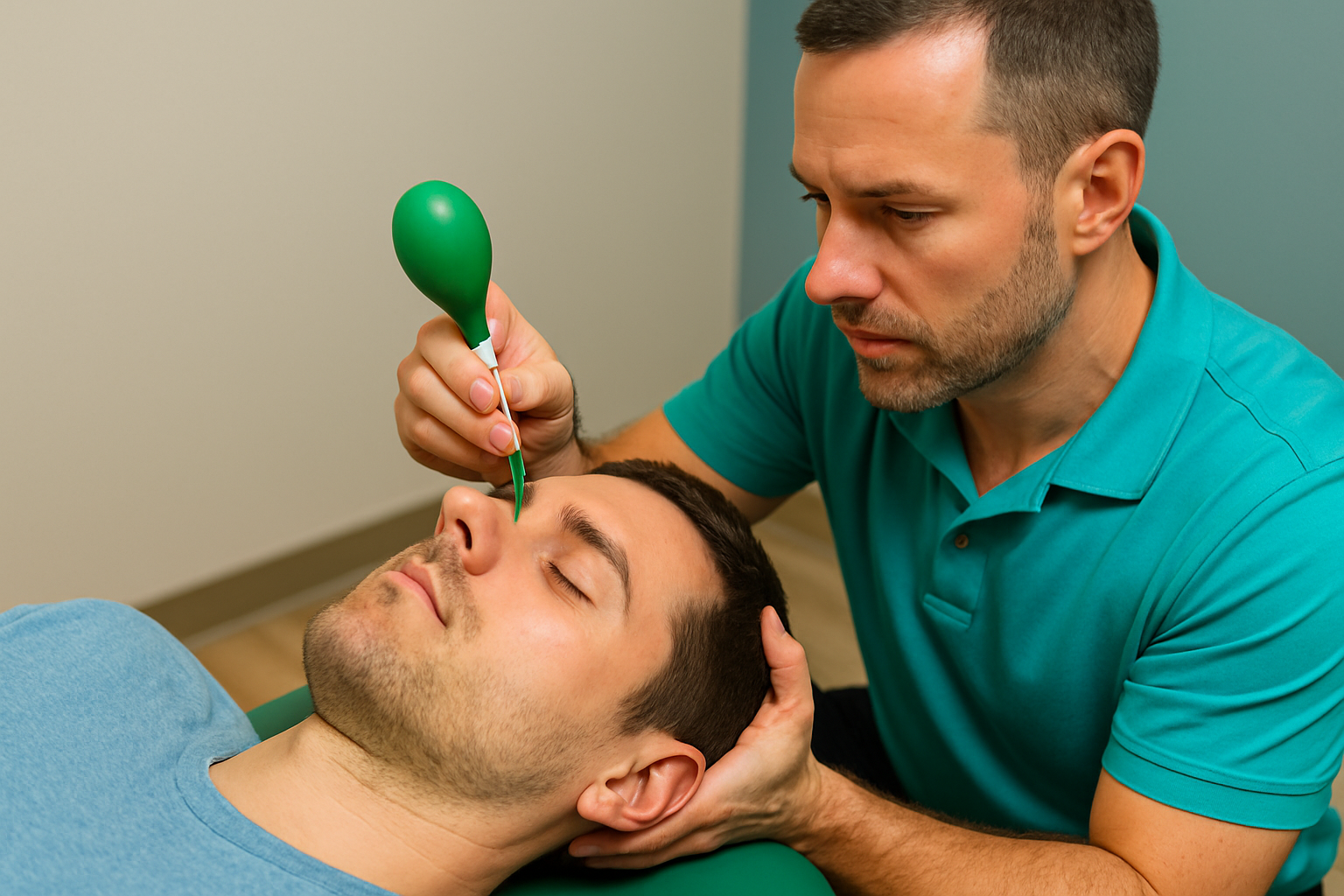
Approaches like Advanced BioStructural Correction focus on identifying and correcting these deeper alignment problems rather than just treating symptoms.
How Posture Affects Weight Distribution
The Role of the Spine and Pelvis
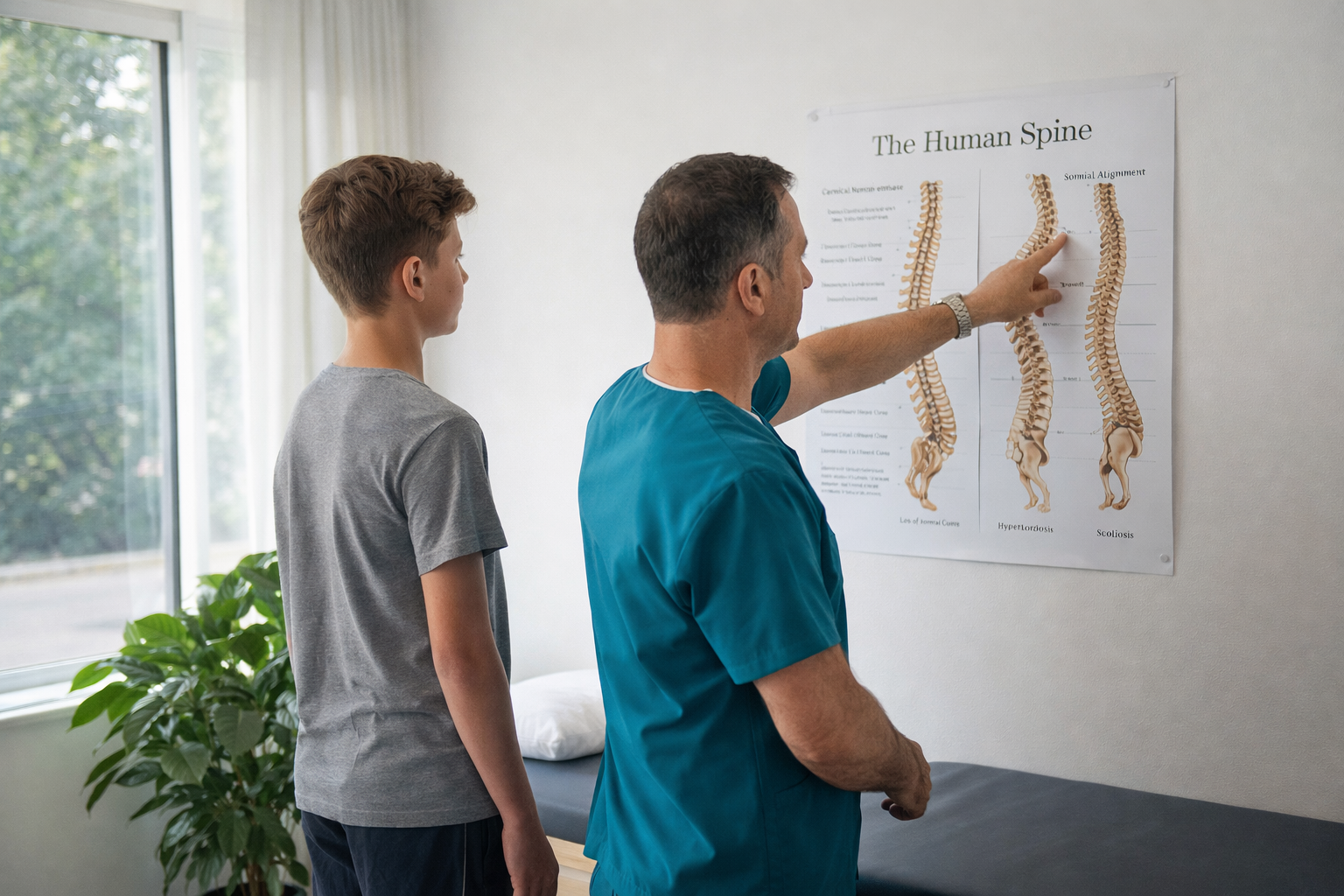
Your spine and pelvis act as the foundation for your posture. If either is misaligned, your body shifts weight to maintain stability.
This shift may feel natural, but it places uneven stress on your joints and muscles.
Gradual Adaptation Over Time
Uneven weight distribution doesn’t happen overnight. It develops gradually as your body adapts to imbalances.
Over time, this becomes your default standing position, making it harder to recognize the issue.
Common Causes of Uneven Weight Distribution
Past Injuries
Old injuries—even minor ones—can change how your body moves and distributes weight. Your body may avoid certain positions to prevent discomfort.
This leads to long-term compensation patterns.
Muscle Imbalances
Weakness on one side of the body can cause you to rely more heavily on the stronger side. This creates uneven loading across your joints.
Without correction, these imbalances worsen over time.
Structural Collapse
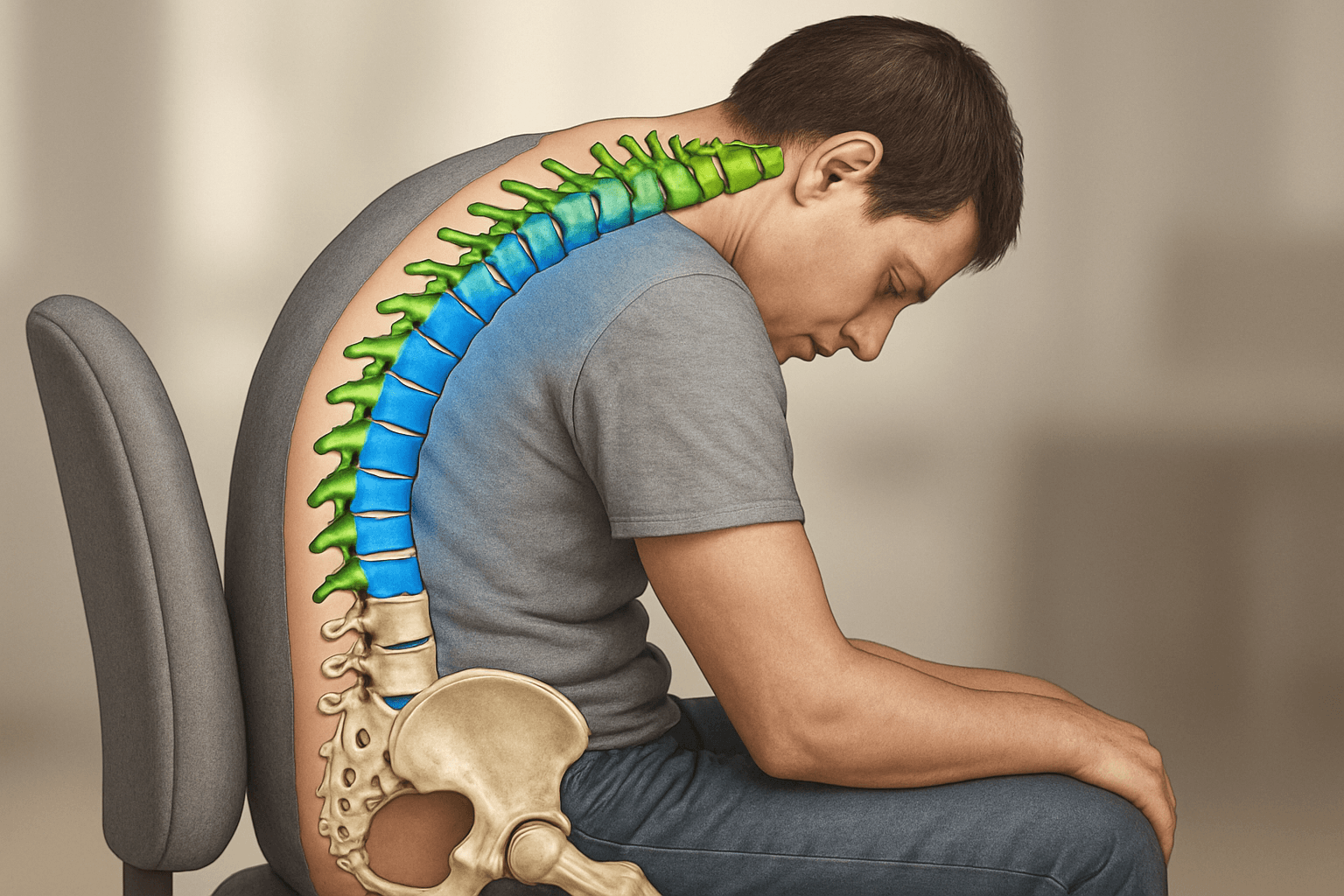
When posture begins to deteriorate, your body shifts weight to maintain balance. This is often seen in people with poor posture or long-term alignment issues.
Targeted posture correction helps restore proper balance and alignment.
What Happens If You Ignore It
Increased Joint Stress
Uneven weight distribution places extra pressure on one side of the body. This can lead to wear and tear in the hips, knees, and lower back.
Over time, this stress can cause chronic pain.
Development of Pain Conditions
Conditions like lower back pain and nerve irritation are often linked to long-term imbalance. In some cases, it can contribute to issues such as sciatica, slipped discs, or pinched nerves.
These problems rarely resolve without addressing the underlying cause.
Why “Standing Straight” Doesn’t Fix It
Temporary Correction vs Real Change
Trying to consciously stand evenly may work for a few seconds, but your body will naturally return to its default pattern.
That’s because the root issue hasn’t been addressed.
The Body Reverts to What Feels Stable
Your body prioritizes stability over symmetry. If one position feels more stable due to underlying imbalance, you’ll keep returning to it.
Real correction requires structural changes—not just conscious effort.
How to Fix Uneven Weight Distribution Posture
Identify the Root Cause
The first step is understanding why your body is shifting weight. This often requires professional assessment.
Without identifying the cause, any correction will be temporary.
Restore Structural Alignment
Correcting posture involves restoring proper alignment in the spine and pelvis. This allows your body to naturally distribute weight evenly.
Once alignment improves, balance follows.
Retrain Movement Patterns
After correcting alignment, your body needs to relearn proper movement patterns. This helps maintain long-term balance and prevents regression.
Signs You Have Uneven Weight Distribution
Subtle Everyday Clues
You might notice:
- standing with one hip pushed out
- leaning on one leg while waiting
- uneven wear on shoes
These are early signs of imbalance.
Physical Symptoms
Over time, symptoms may include:
- lower back discomfort
- hip tightness
- knee pain on one side
These indicate that the imbalance is affecting your body function.
Key Takeaways
- Uneven weight distribution posture is usually caused by structural imbalance
- Your body compensates to maintain stability, not symmetry
- Ignoring the issue can lead to chronic pain and joint stress
- Standing straight temporarily won’t fix the root cause
- Long-term correction requires structural alignment and retraining
FAQs
Why do I naturally lean on one foot?
Your body is compensating for an imbalance or weakness. This often happens without conscious awareness. Over time, it becomes your default posture.
Can uneven weight distribution cause pain?
Yes, it places extra stress on certain joints and muscles. This can lead to discomfort or chronic pain over time. Addressing the imbalance can reduce these issues.
Is uneven posture just a bad habit?
Not usually—it’s often caused by structural or muscular imbalances. While habits play a role, they are typically a result of deeper issues. Correcting the root cause is essential.
Can exercises fix uneven weight distribution?
Exercises can help, but only if they target the underlying imbalance. Without addressing structural alignment, results may be limited. A combined approach works best.
How long does it take to correct posture imbalance?
It depends on the severity and cause of the issue. Some improvements can happen quickly, while full correction takes time. Consistency is key for long-term results.