Scoliosis can develop during childhood, adolescence, or adulthood. In many cases the condition progresses slowly, and individuals may not notice symptoms until the spinal imbalance begins affecting how your body feels or moves. In some people, it can also be related to organ issues like acid reflux.
In 80% of cases, scoliosis is described as Idiopathic Scoliosis. Idiopathic is a medical term describing a disease, condition, or symptom that arises spontaneously or from an unknown or obscure cause. Scoliosis means there is an abnormal sideways (lateral) curve of the spine, often taking a C- or S-shape, accompanied by rotation. However, as you will learn here, there is a a simple explanation for what is causing the spine to do this so idiopathic scoliosis is not actually idiopathic anymore.
People with scoliosis range from those who find they have no symptoms and don’t even realise they have scoliosis, to people with severe muscular pain and organ compression. This can lead to fatigue, stiffness, and chronic health issue over time.
Modern non-surgical scoliosis treatment approaches focus on trying to restore structural balance within the body, with wildly varying results. Clinics that provide structural care, such as Advanced BioStructural Correction, aim to address the underlying mechanical issues that contribute to spinal curvature rather than only treating pain.
Jump To:
TLDR Quick Guide
If you are exploring non-surgical scoliosis treatment, these are the most common approaches:
- Structural chiropractic care to improve spinal alignment
- Posture correction therapy to stabilize the spine
- Targeted exercises to strengthen core and back muscles
- Lifestyle adjustments that support spinal balance
- Ongoing monitoring to track curvature progression
- Spinal bracing
Understanding Scoliosis and Why It Develops
Structural Imbalance in the Spine
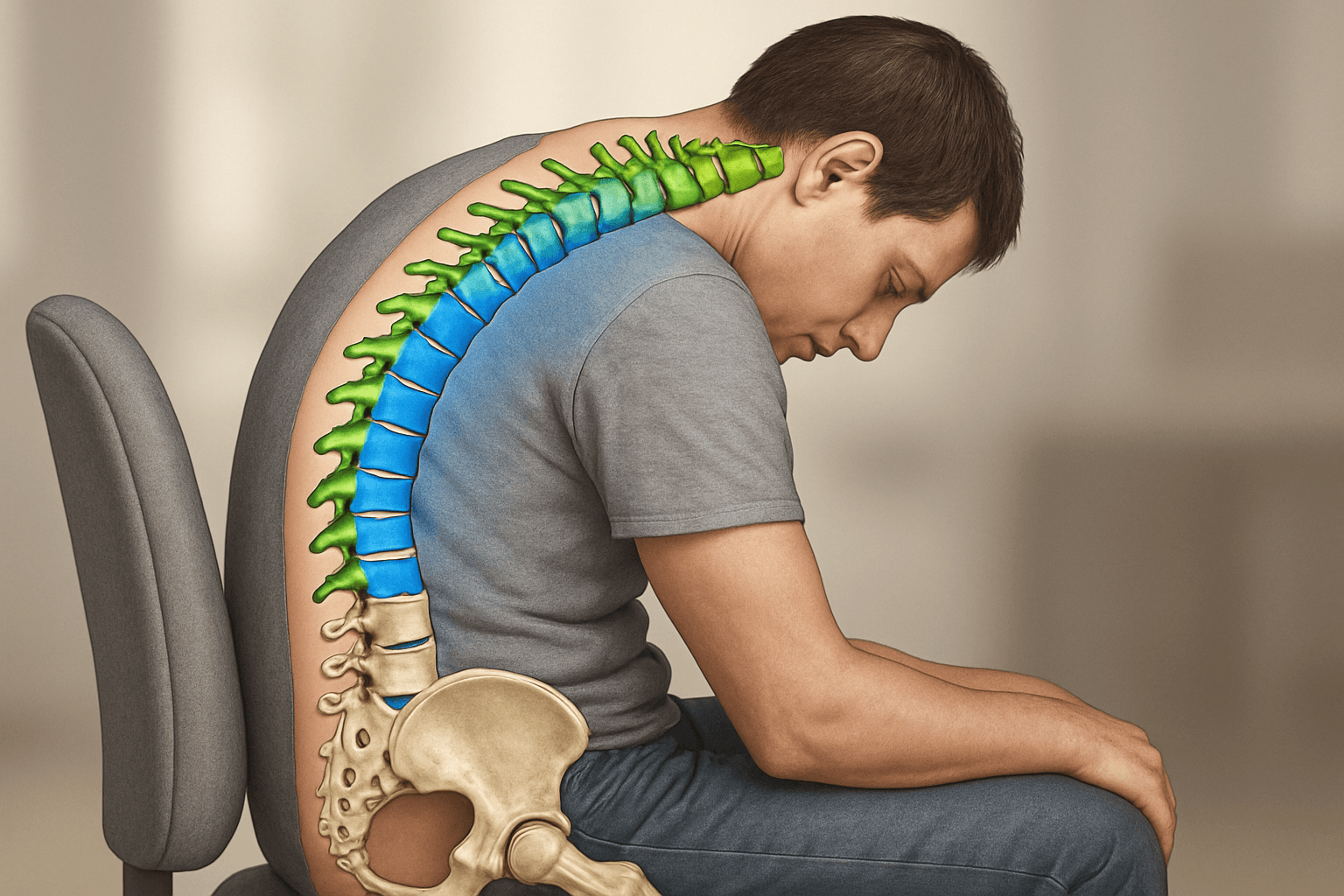
Scoliosis typically develops when some of the vertebrae that make up the spine misalign forward. This can happen from a fall, lifting something heavy, being in a awkward position, whiplash, or being struck by something. Since we have no muscles that can pull those vertebrae backward that misaligned vertebra then loses its natural structural balance. Instead of maintaining a stable position, it falls forward along with everything above it (your body). In, order to prevent you falling forward your muscles will extend, lean and twist you into a position where you can remain upright and continue to live.
As part of this compensation pattern you will twist your spine and this twisting is the scoliosis. So, the spine is not only bending or leaning sideways like traditional treatments believe, but is actually a three-dimensional twisting. Typically, the more obvious scoliosis cases are with people who are hypermobile. The reason for this is that they are able to twist, (and bend and arch and lean) much further than average and so their spine looks more twisted. So idiopathic scoliosis a mechanical injury issue.
This imbalance places uneven pressure on muscles and joints. Your bodies efforts to remain upright and functional by compensating for this imbalance can cause muscle fatigue, discomfort and more.
The Role of Posture and Body Mechanics
Posture plays a critical role in spinal health. Prolonged sitting, poor workstation ergonomics, and repetitive movement patterns can contribute to structural imbalance.
Improving posture through professional care such as posture correction can help support spinal alignment and reduce strain on the muscles that stabilize the spine.
Common Non-Surgical Scoliosis Treatment Approaches
Structural Chiropractic Care
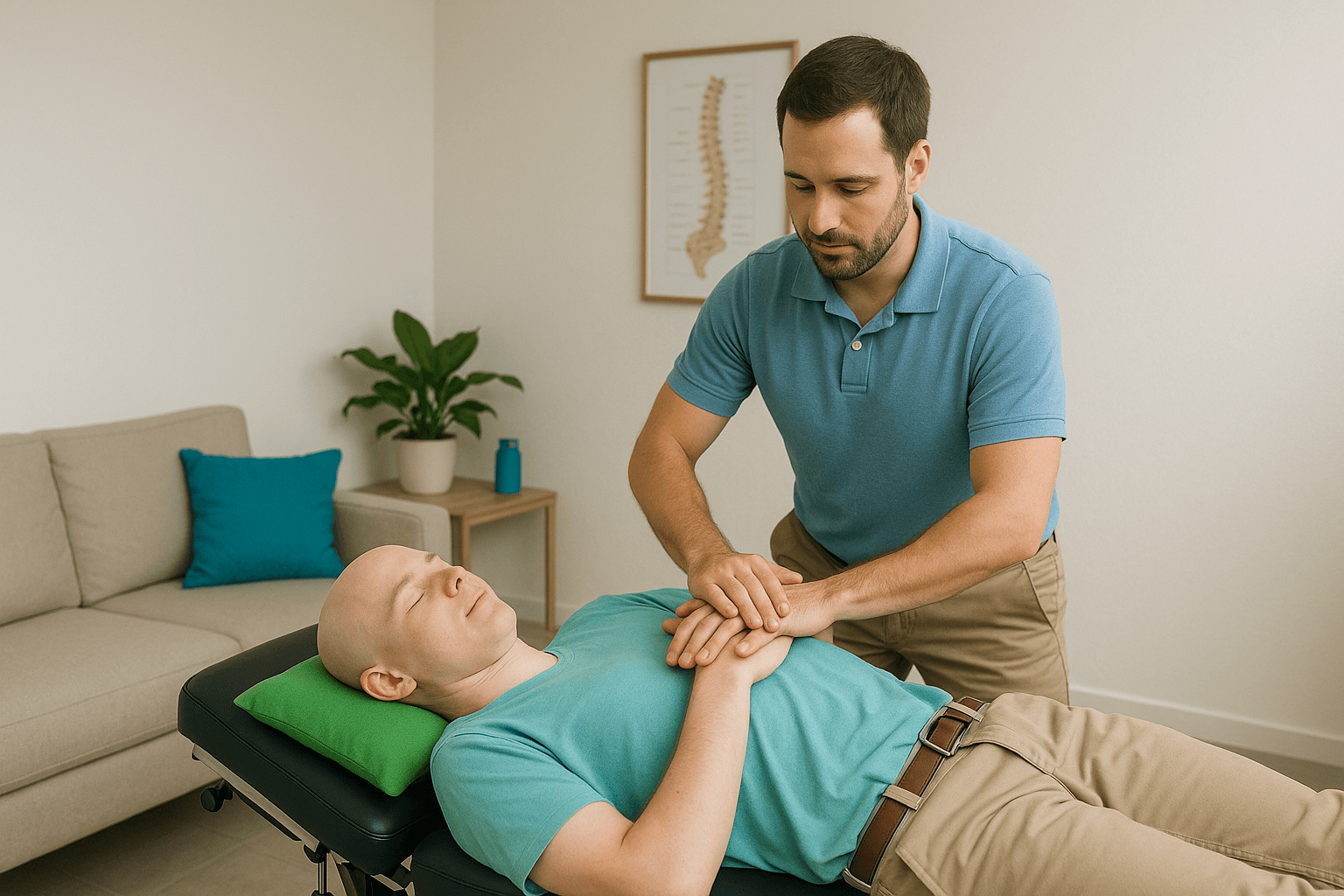
Structural chiropractic methods focus on restoring proper alignment and function to the spine. We do this by locating the original stuck forward vertebrae and restoring their alignment over time. These techniques work to reduce mechanical stress on the vertebrae and supporting tissues. The more upright and balanced your body becomes, the less it needs to twist so the scoliosis actually unravels and straightens (sometimes quite a lot and sometimes all the way).
Advanced BioStructural Correction is designed to address the root structural imbalance rather than temporarily relieving symptoms.
Early Intervention for Younger Patients
When scoliosis is identified early, non-invasive care can always help manage spinal development and prevent worsening spinal mechanics and posture.
Specialized treatments such as paediatric chiropractic focus on monitoring spinal growth and supporting healthy alignment during childhood and adolescence.
Lifestyle Strategies That Support Scoliosis Management
Strengthening Supporting Muscles
Strengthening the muscles that support the spine can significantly improve stability but won’t help to untwist the spine.
As long as a minimum level of strength is present, further strengthening can help with symptoms but does not help to reverse the condition.
Daily Habits That Influence Spinal Health
Many daily habits influence spinal health more than people realize. Sitting posture, sleeping position, and footwear can all affect spinal alignment.
Making small ergonomic adjustments throughout the day can help reinforce the benefits of structured treatment and prevent further spinal stress.
Monitoring Progress and Long-Term Care
Tracking Changes in Spinal Curvature
Regular assessments allow healthcare professionals to track changes in spinal mechanics and adjust treatment plans when necessary.
Monitoring progress ensures that conservative treatments remain effective over time.
Personalized Treatment Plans
Every scoliosis case is unique. Effective non-surgical scoliosis treatment typically involves a customized plan that takes into account the severity of curvature, age, activity level, and overall spinal health.
Key Takeaways
- Non-surgical scoliosis treatment focuses on correcting spinal curvature without invasive procedures.
- Structural chiropractic care helps address underlying spinal imbalance.
- Posture correction plays a major role in stabilizing spinal alignment.
- Early treatment often improves outcomes, especially in younger patients.
- Personalized care plans offer the best long-term scoliosis management.
FAQs
Can scoliosis be treated without surgery?
Yes, many cases of scoliosis can be improved and reversed successfully without surgery. Non-surgical treatment focuses on improving skeletal alignment. This approaches helps reduce or eliminate symptoms in many patients as well as vastly improving posture and general physical health..
What is the most effective non-surgical scoliosis treatment?
The most effective treatment we have found is to use the Advanced BioStructural Correction method. Every case of scoliosis we have seen in clinic (over one hundred) has improved significantly. Personalized care plans produce the best outcomes.
Does posture correction help scoliosis?
Yes, posture correction is scoliosis correction! But the type of posture correction we are referring to is the improvement of your inherent skeletal alignment, not through exercises and stretching which does not give anywhere like the same effect on your body. Improving posture helps reduce uneven stress on the spine, organs and surrounding muscles.
Can children benefit from non-surgical scoliosis treatment?
Yes, early intervention is always highly beneficial for children and teenagers. Conservative treatment helps guide better spinal development during growth phases. Early care prevents progression.
How long does non-surgical scoliosis treatment take?
Treatment timelines vary depending on the severity of the curvature and the patient’s age and condition. Most people experience very noticeable improvements within days to weeks, while very significant changes take months or longer. Consistency with treatment and posture habits is key to achieving results.