Dizziness is typically associated with inner ear disorders, neurological conditions, or blood pressure issues. However, when these are ruled out, many patients are left without a clear explanation for what they’re experiencing.
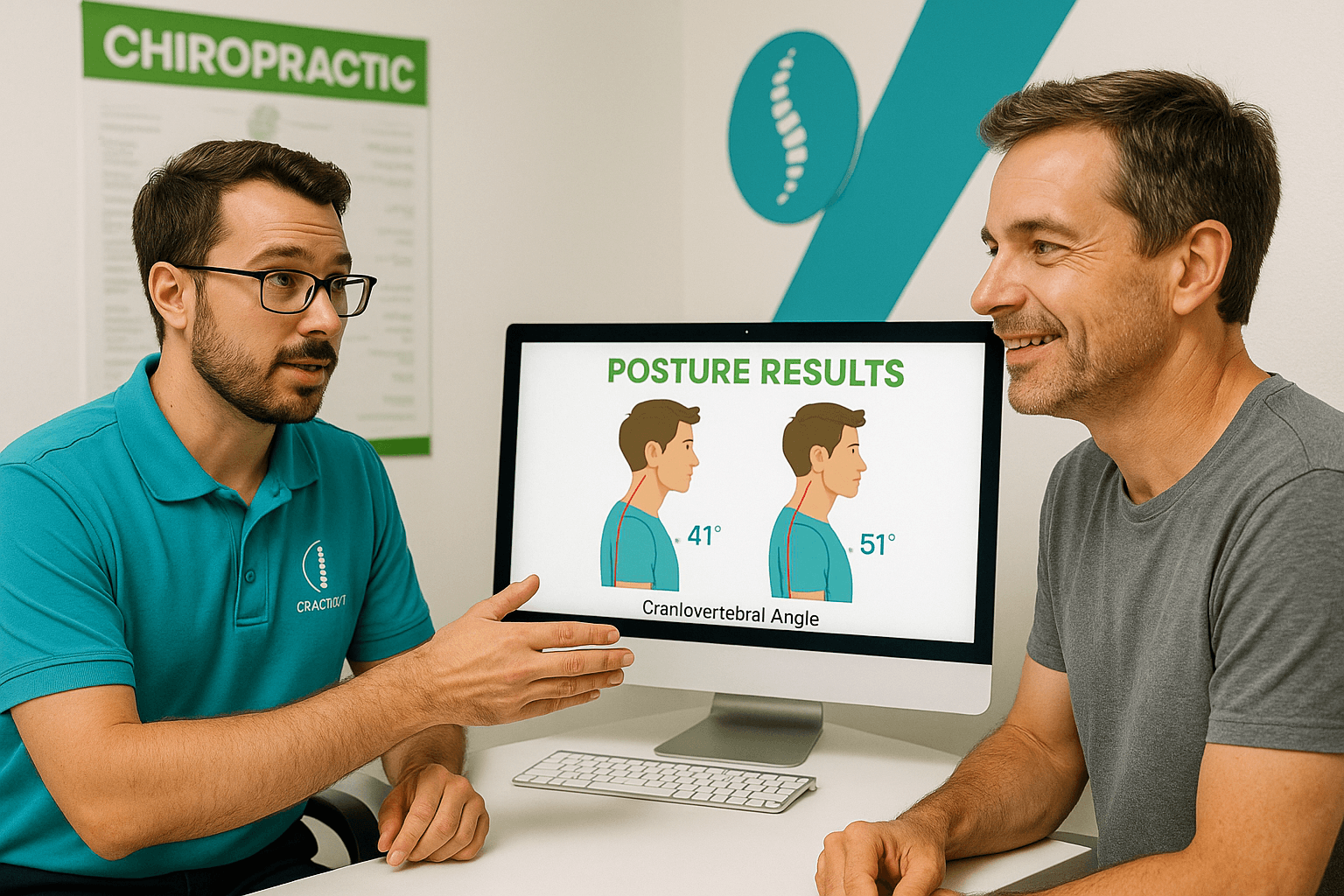
What’s often overlooked is the structural alignment of the body. Poor posture—especially forward head posture and spinal imbalance—can interfere with how the brain receives and processes information from the body.
This is where structural-based approaches come in. Clinics like Upright Posture focus on identifying and correcting the root cause of dysfunction rather than simply managing symptoms. Treatments such as Advanced BioStructural Correction aim to restore proper alignment, which can help reduce or eliminate symptoms like dizziness over time.
Jump To:
TLDR Quick Guide
If you’re trying to understand can bad posture cause dizziness, here’s the quick breakdown:
- Yes—especially when the neck and upper spine are misaligned
- Poor posture can disrupt communication between the brain and body
- Blood flow and balance signals may be affected
- Symptoms often persist despite “normal” medical results
- Long-term relief requires correcting the underlying structure
If your dizziness has no clear diagnosis, posture should absolutely be evaluated.
How Bad Posture Can Lead to Dizziness
Neck Alignment and Nervous System Interference
The cervical spine plays a crucial role in balance and coordination. It contains nerves that send constant feedback to the brain about your body’s position in space.
When your head shifts forward—even by a few centimeters—it significantly increases strain on the neck. This altered position can compress joints, irritate nerves, and disrupt the signals being sent to the brain.
As a result, your brain may receive conflicting information about your body’s position, leading to dizziness, disorientation, or a feeling of being “off balance.” This is why many people with poor posture experience symptoms that seem neurological but are actually structural.
Impact on Blood Flow
Postural imbalances don’t just affect nerves—they can also influence circulation. Tight muscles and compressed structures in the neck can reduce optimal blood flow to the brain.
Even slight reductions in circulation can lead to symptoms like lightheadedness, especially when standing up quickly or moving your head.
Over time, this constant strain creates a cycle where the body struggles to maintain proper balance and stability.
Why Medical Tests Often Show “Nothing Wrong”
Structural vs Functional Problems
One of the biggest challenges with posture-related dizziness is that it doesn’t always show up on standard medical tests. MRI scans, blood tests, and neurological exams are designed to detect disease or damage—not functional imbalances.
Posture issues fall into the category of functional dysfunction. The body isn’t damaged in a way that shows up on scans, but it isn’t operating correctly either.
This is why so many patients feel dismissed when they’re told everything is normal, even though their symptoms are very real.
Overlooking Postural Causes
In many cases, posture simply isn’t assessed during medical evaluations. The focus is often on identifying disease rather than analyzing structural alignment.
This creates a gap where patients continue to experience symptoms without a clear explanation or solution.
Addressing posture directly is often the missing step that leads to real, lasting improvement.
Common Postural Issues Linked to Dizziness
Forward Head Posture
Forward head posture is one of the most common and most impactful postural issues. It occurs when the head moves forward from its natural position over the shoulders.
This shift increases the load on the neck, placing excessive stress on muscles, joints, and nerves. Over time, this imbalance can disrupt the body’s ability to maintain proper coordination and balance.
This is a major reason why people with desk jobs or heavy screen use often experience dizziness along with neck discomfort.
Poor Sitting Habits and Daily Posture
Daily habits play a huge role in posture. Sitting for long periods with poor alignment gradually trains the body into dysfunctional positions.
Learning and applying the best sitting posture can significantly reduce strain on the spine and help restore proper alignment over time.
Small adjustments—like screen height, chair support, and posture awareness—can have a major impact when practiced consistently.
Additional Symptoms That May Accompany Dizziness
Headaches and Migraines
Dizziness rarely exists in isolation. Many people also experience tension headaches or migraines, particularly those originating from the neck.
These symptoms often share the same root cause: structural imbalance and muscle tension. Addressing posture can reduce both dizziness and headache frequency.
This is why many patients seek solutions like headache and migraine relief as part of a broader treatment plan.
Neck Pain and Stiffness
Chronic neck tension is another common companion to dizziness. When the neck is under constant strain, it limits mobility and increases pressure on surrounding structures.
If you’re experiencing both dizziness and neck stiffness, it’s a strong indicator that posture is playing a role.
How Structural Correction Can Help
Addressing the Root Cause
Temporary fixes—like medication or rest—may reduce symptoms, but they don’t correct the underlying problem. Structural correction focuses on restoring proper alignment so the body can function as intended.
Approaches like Advanced BioStructural Correction work by realigning the spine and reducing pressure on nerves and joints.
This creates long-term improvements rather than short-term relief.
Restoring Balance and Stability
Once alignment improves, the body can communicate more effectively with the brain. This restores proper balance signals and reduces the confusion that leads to dizziness.
Over time, patients often experience improved coordination, reduced symptoms, and better overall function.
Daily Habits That Can Improve Posture
Workstation Setup and Sitting Position
Your environment plays a major role in your posture. Poor workstation setup can reinforce bad habits and increase strain on your spine.
Simple adjustments—like raising your screen to eye level or using proper lumbar support—can help maintain better alignment throughout the day.
Consistency is key. Small improvements done daily lead to long-term changes.
Footwear and Alignment Support
Posture starts from the ground up. The way your feet interact with the ground affects your entire body alignment.
Traditional shoes can restrict natural movement, while options like barefoot-style shoes encourage proper posture and balance.
Supporting your foundation helps improve alignment throughout the entire body.
Key Takeaways
- Can bad posture cause dizziness? Yes—and it’s often overlooked
- Structural misalignment affects nerves, blood flow, and balance
- Symptoms may persist even when medical tests are normal
- Forward head posture is a major contributing factor
- Correcting posture addresses the root cause for long-term relief
FAQs
Can bad posture really cause dizziness?
Yes, poor posture can disrupt the body’s balance system by affecting nerve signals and alignment. This can lead to dizziness even when no medical condition is found. Many cases are linked to cervical spine issues.
What posture problems are most linked to dizziness?
Forward head posture and upper spinal misalignment are the most common causes. These positions increase strain on the neck and disrupt balance signals. Long periods of sitting often contribute to this issue.
How long does it take to see results?
The timeline depends on the severity and duration of the issue. Some people notice improvements quickly, while others require ongoing correction. Consistency with treatment and posture habits is essential.