Headaches can originate from many different causes, including muscle tension, nerve irritation, poor posture, and structural imbalances in the spine or skull. Modern lifestyles—particularly those involving prolonged desk work, smartphone use, and stress—often place excessive strain on the neck and upper spine, which can trigger recurring headaches.
When the neck and spine become misaligned, surrounding muscles tighten in an attempt to stabilise the body. This tension can compress nerves and restrict blood flow, contributing to persistent headache symptoms. Over time, these issues can evolve into chronic headaches or migraines if the root cause is not addressed.
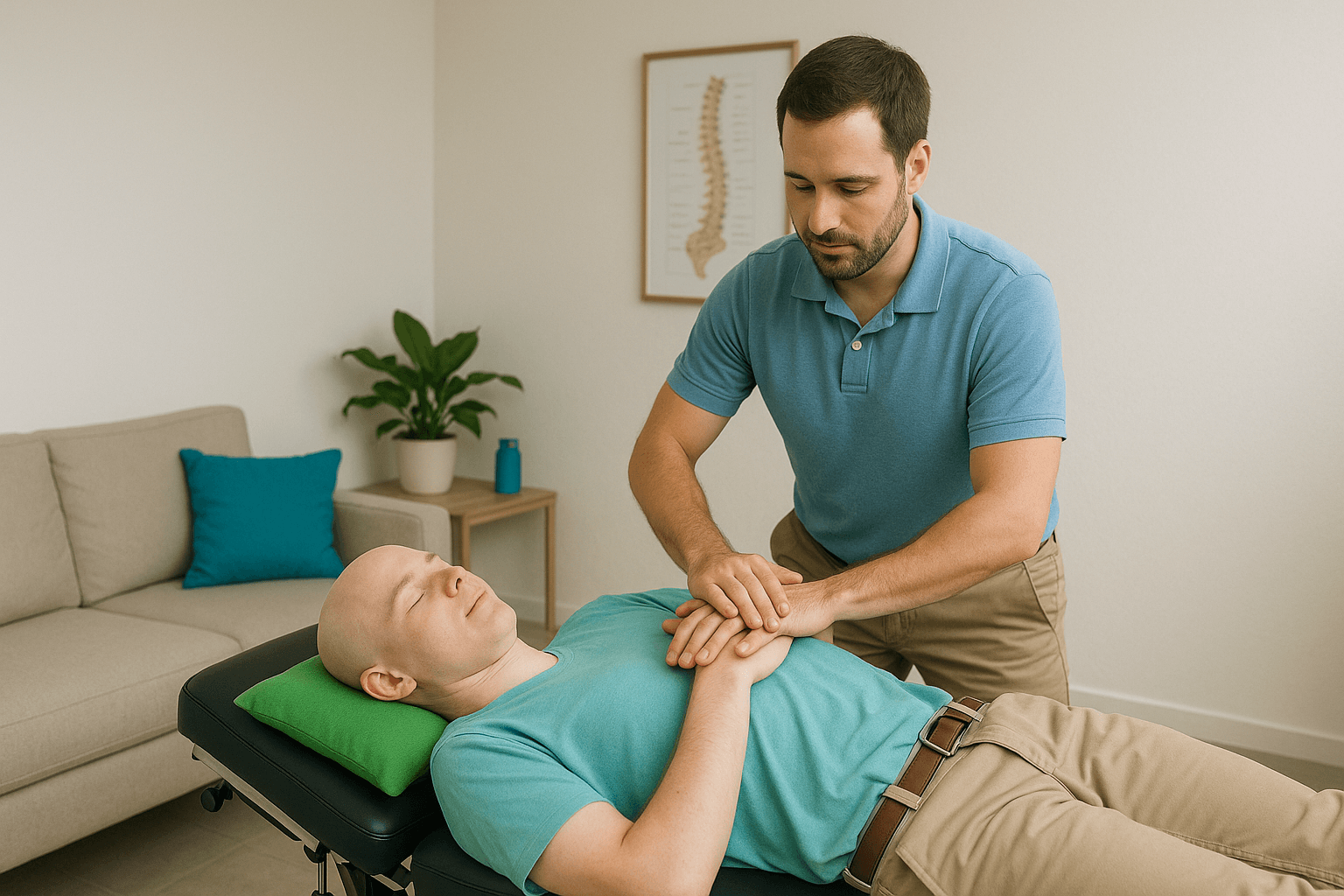
For individuals experiencing frequent headaches, seeking targeted care such as headache migraine relief treatments can help identify the underlying structural factors that may be contributing to ongoing pain.
Understanding the cause of headaches is the first step toward finding a treatment that provides lasting relief.
Jump To:
TLDR Quick Guide
Quick Overview of Effective Headache Treatments
- Headaches often originate from neck tension or spinal misalignment.
- Temporary solutions like medication may only mask symptoms.
- Structural treatments aim to address the underlying cause of headaches.
- Improving posture and spinal alignment can reduce recurring pain.
- Professional evaluation helps identify the most effective treatment approach.
Understanding the Root Causes of Headaches
Structural and Postural Factors
Many people assume headaches are purely neurological, but structural issues often play a significant role. Poor posture, particularly forward head posture, can place excessive pressure on the cervical spine and surrounding muscles.
When the head moves forward from its natural alignment—even slightly—it increases the load placed on the neck. Over time, this strain can lead to muscle tightness, joint irritation, and nerve compression. These factors frequently contribute to tension headaches and migraines.
Correcting structural imbalances through targeted care can reduce the strain placed on the body. Treatments such as Advanced BioStructural Correction focus on restoring proper alignment in the spine, which may help relieve the underlying pressure contributing to headaches.
By addressing structural imbalances, many patients experience improvements not only in headache frequency but also in overall posture and spinal health.
Why Painkillers Are Often Only Temporary Solutions
Symptom Management vs. Root Cause Treatment
Many individuals rely on over-the-counter medications to manage headaches. While these medications can temporarily reduce discomfort, they rarely address the underlying problem causing the pain.
Painkillers typically work by reducing inflammation or blocking pain signals within the body. However, if headaches are caused by muscle tension, spinal misalignment, or nerve irritation, these medications do not correct the root issue.
Repeated reliance on medication can sometimes lead to rebound headaches or reduced effectiveness over time. This is why many healthcare professionals recommend exploring structural treatments when headaches become frequent or persistent.
Understanding the difference between symptom relief and corrective treatment is crucial when searching for an effective headache pain relief treatment.
Structural Treatments That May Help Headaches
Addressing Cranial and Spinal Alignment
Some headache treatments focus specifically on improving cranial and spinal alignment to relieve pressure on nerves and surrounding tissues. Structural techniques can help restore natural positioning in the body, allowing muscles and joints to function more efficiently.
For example, therapies such as ABC endonasal cranial correction are designed to address cranial structural imbalances that may contribute to headaches, sinus pressure, and facial tension.
These specialised treatments aim to improve structural balance in areas that are often overlooked during conventional headache management. By improving alignment, patients may experience improved circulation, reduced nerve irritation, and decreased muscular tension.
While results vary depending on the individual, addressing structural causes can provide longer-lasting relief compared to short-term symptom management.
The Role of Posture in Headache Prevention
Why Modern Lifestyles Contribute to Headaches
Modern work environments often require long hours of sitting, computer use, and phone interaction. These habits can gradually lead to poor posture, which places strain on the neck and upper back.
Forward head posture is particularly common among office workers and individuals who frequently use mobile devices. This posture increases pressure on the cervical spine and surrounding muscles, which can contribute to recurring headaches.
Improving posture through exercises, ergonomic adjustments, and professional care can significantly reduce tension in the neck and shoulders. Over time, these changes can help prevent headaches from returning.
For many individuals, posture improvement plays a key role in long-term headache pain relief treatment strategies.
Key Takeaways
- Many headaches originate from structural or postural issues.
- Pain medication may relieve symptoms but rarely solves the root cause.
- Correcting spinal alignment can reduce pressure on nerves and muscles.
- Cranial and structural treatments may address deeper causes of headaches.
- Improving posture can help prevent headaches from returning.
Understanding the true cause of headaches allows individuals to choose treatments that provide meaningful, long-term relief.
FAQs
What is the most effective headache pain relief treatment?
The most effective treatment often depends on the underlying cause of the headache. Some headaches are caused by tension, while others stem from structural imbalances in the spine or skull. Identifying the root cause is essential for choosing the most appropriate treatment.
Can poor posture cause headaches?
Yes, poor posture is one of the most common contributors to recurring headaches. Forward head posture places additional strain on the neck muscles and cervical spine. Over time, this tension can trigger headaches and neck discomfort.
Why do my headaches keep returning?
Recurring headaches often occur when the underlying issue has not been addressed. Temporary solutions like medication may reduce symptoms but fail to correct the cause. Structural factors such as spinal misalignment or muscle tension can lead to repeated headaches.
Are chiropractic treatments helpful for headaches?
Many patients experience improvement when structural issues affecting the spine or skull are addressed. Chiropractic approaches often focus on improving alignment and reducing nerve pressure. When the body is properly aligned, headache symptoms may decrease.
When should someone seek professional help for headaches?
If headaches occur frequently or interfere with daily life, professional evaluation is recommended. A practitioner can assess posture, spinal alignment, and other potential contributing factors. Early evaluation often helps prevent headaches from becoming chronic.