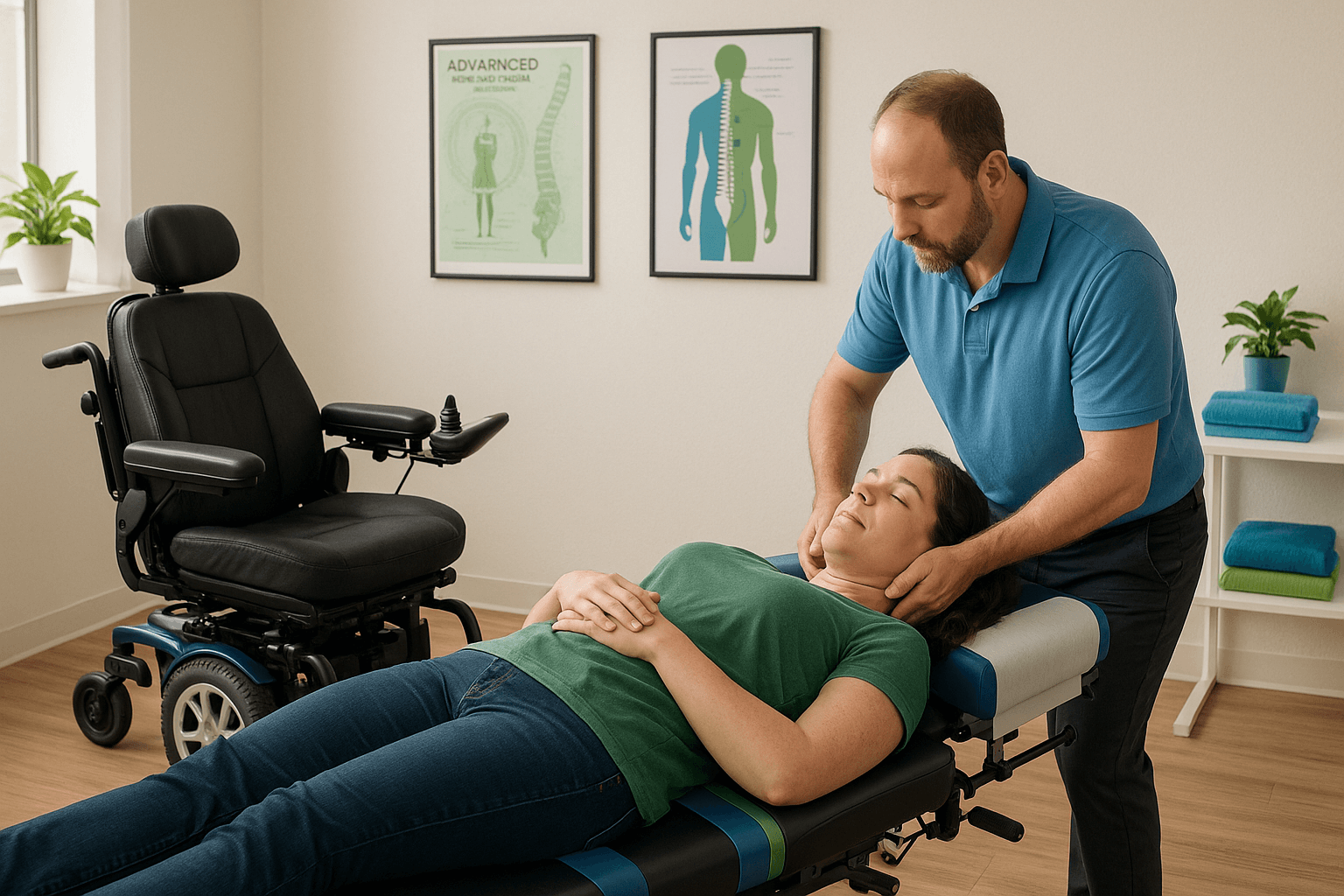
Car accidents can cause a variety of injuries, even when the impact seems minor. One of the most common injuries reported after a collision is whiplash, which occurs when the head is suddenly forced backward and forward. This rapid movement places significant strain on the muscles, ligaments, and joints of the neck, often resulting in pain, stiffness, headaches, and reduced mobility.
Understanding the best whiplash treatment after car accident situations is important because symptoms may worsen if the injury is ignored. Some people initially feel only mild discomfort but later develop persistent neck pain, headaches, and posture issues that interfere with daily activities.
Addressing the structural impact on the spine is often a key part of recovery. Treatments focused on restoring spinal alignment, such as Advanced BioStructural Correction, aim to correct the underlying causes of pain rather than simply masking symptoms.
Jump To:
TLDR Quick Guide
- Whiplash occurs when the neck experiences sudden acceleration and deceleration during a collision.
- Early assessment can prevent long-term complications such as chronic neck pain.
- Treatment approaches that address spinal alignment may support faster recovery.
- Targeted care such as whiplash treatment helps relieve neck tension and restore normal movement.
- Correcting posture and improving spinal stability are key parts of long-term healing.
Understanding Whiplash Injuries
How Whiplash Happens During Car Accidents
Whiplash injuries occur when the head moves rapidly back and forth during an impact. This sudden motion stretches and strains the soft tissues surrounding the cervical spine. Rear-end collisions are particularly known for causing whiplash because the body is pushed forward while the head lags behind momentarily.
Although the motion happens in a fraction of a second, the force placed on the neck can be significant. Muscles, ligaments, and joints may become inflamed or strained, leading to discomfort and stiffness that can worsen if left untreated.
Common Symptoms of Whiplash
Symptoms of whiplash vary depending on the severity of the injury and the individual’s physical condition. Some people experience immediate pain, while others notice symptoms developing gradually over several days.
Typical symptoms include:
- neck stiffness and pain
- headaches at the base of the skull
- reduced range of neck movement
- shoulder pain or upper back tension
- dizziness or fatigue
These symptoms may interfere with work, driving, and daily activities if proper treatment is not sought.
Why Early Treatment Matters
Preventing Long-Term Neck Issues
When whiplash injuries are ignored, the body may compensate by altering posture and muscle patterns. This can lead to chronic tension in the neck and shoulders, which may persist long after the initial accident.
Early treatment helps restore proper movement and alignment in the cervical spine. By addressing the injury promptly, patients may reduce the likelihood of developing long-term pain or mobility limitations.
Supporting Proper Healing
Healing from whiplash requires more than simply waiting for the pain to disappear. The neck must regain its normal mobility, muscle balance, and structural alignment.
Treatments that focus on correcting underlying spinal imbalances can help the body recover more effectively. Proper care during the early stages of injury often leads to better long-term outcomes.
Effective Treatments for Whiplash Recovery
Structural Chiropractic Approaches
Many patients benefit from chiropractic techniques that address structural misalignments in the spine. These treatments focus on restoring balance to the musculoskeletal system and relieving pressure on irritated nerves.
When spinal alignment improves, surrounding muscles can relax and inflammation may decrease. This helps restore normal neck movement and reduces discomfort during daily activities.
Gentle Rehabilitation and Movement
Rehabilitation exercises are often introduced once acute inflammation begins to settle. Gentle movement helps maintain flexibility and prevents stiffness from developing in the injured tissues.
Strengthening the muscles that support the neck and upper back also improves long-term stability. This reduces the risk of future injuries and helps maintain proper posture.
Posture and Long-Term Recovery
Why Posture Matters After Whiplash
After a car accident, poor posture can worsen whiplash symptoms. Forward head posture—where the head shifts in front of the shoulders—places additional strain on the cervical spine.
Correcting posture during recovery helps reduce pressure on injured tissues. Maintaining proper spinal alignment allows the neck to heal more efficiently.
Strengthening the Neck and Upper Back
Long-term recovery often involves strengthening the muscles that support the spine. Exercises targeting the upper back, shoulders, and neck help stabilize the cervical spine and prevent recurring pain.
These improvements in posture and muscle strength can significantly reduce the risk of chronic neck problems following whiplash injuries.
When to Seek Professional Care
Recognising Persistent Symptoms
While mild soreness may resolve naturally, persistent symptoms should be evaluated by a professional. Ongoing neck pain, headaches, or restricted movement may indicate deeper structural issues.
Seeking professional care ensures that underlying problems are identified early and treated appropriately.
Professional Assessment and Treatment Planning
A qualified practitioner can assess spinal alignment, muscle function, and mobility to determine the most appropriate treatment plan. This assessment helps identify the root cause of symptoms rather than focusing only on temporary pain relief.
Clinics such as Upright Posture focus on structural correction approaches that address the source of musculoskeletal issues, helping patients achieve more sustainable recovery after accidents.
Key Takeaways
- Symptoms of whiplash may appear hours or even days after a car accident.
- Early treatment focuses on reducing inflammation and restoring neck mobility.
- Structural misalignment in the cervical spine can contribute to ongoing discomfort.
- Therapies designed for neck pain relief can help reduce muscle tension and support recovery.
- Addressing posture and spinal balance is important for preventing recurring symptoms.
FAQs
How long does whiplash take to heal after a car accident?
Recovery time depends on the severity of the injury and how quickly treatment begins. Mild cases may improve within a few weeks, while more severe injuries can take several months. Early care and proper treatment can help speed up the healing process.
Can whiplash symptoms appear days after an accident?
Yes, whiplash symptoms often appear hours or days after a collision. Adrenaline and shock can initially mask the pain. As inflammation develops, stiffness and discomfort may become more noticeable.
What treatments help whiplash recovery the most?
Effective treatments often include spinal alignment therapies, gentle rehabilitation exercises, and posture correction. These approaches help restore mobility and reduce inflammation. Addressing structural issues in the spine can also support long-term healing.
Can untreated whiplash cause chronic pain?
Yes, untreated whiplash may lead to persistent neck pain and headaches. Structural imbalances in the spine can place ongoing stress on muscles and joints. Seeking treatment early can reduce the risk of long-term complications.
Should I see a specialist after a minor car accident?
Even minor accidents can cause injuries that are not immediately obvious. A professional evaluation can help detect issues before they become more serious. Early assessment ensures that appropriate treatment begins as soon as possible.