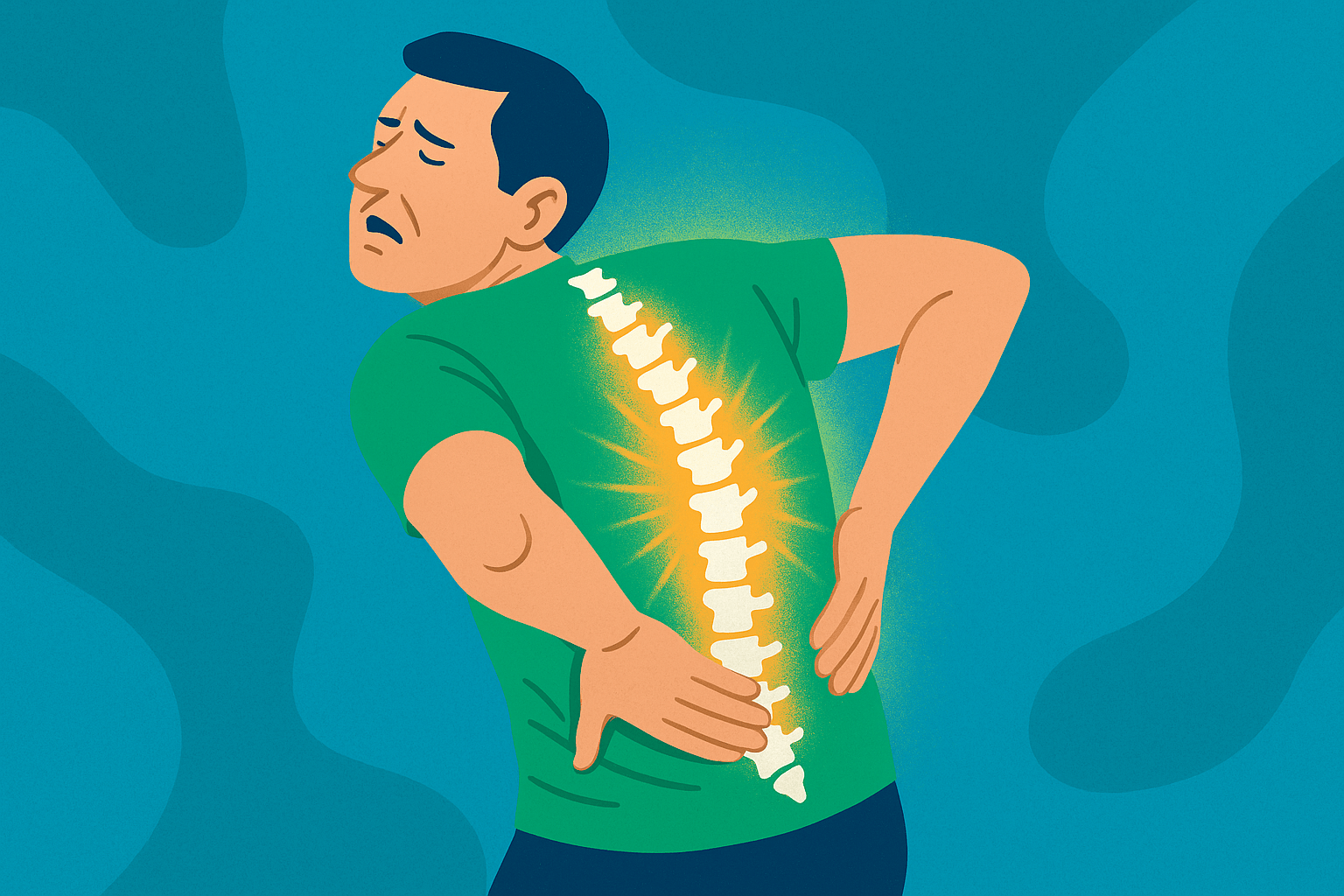
Arthritis is one of the most common causes of chronic pain and reduced mobility worldwide. Millions of people experience joint stiffness, inflammation, and discomfort that can significantly affect their quality of life. As symptoms worsen, everyday tasks such as walking, bending, or lifting objects can become increasingly difficult.
Because arthritis is a long-term condition, many individuals search for treatment options that help manage pain without relying solely on medication. This has led to growing interest in chiropractic treatment for arthritis, which focuses on improving joint function, spinal alignment, and overall movement patterns.
Chiropractic care takes a structural approach to pain management. Instead of only addressing symptoms, it aims to correct underlying biomechanical issues that may place excessive stress on joints. Clinics that specialise in structural correction methods, such as Advanced BioStructural Correction, focus on improving alignment so the body can move and function more efficiently.
For people living with arthritis, this structural approach may help reduce joint stress, support better posture, and improve mobility over time.
Jump To:
TLDR Quick Guide
- Chiropractic treatment for arthritis focuses on improving joint movement and reducing pressure on affected areas.
- Structural chiropractic methods aim to correct posture and spinal alignment.
- Gentle adjustments may help improve flexibility and reduce stiffness.
- Chiropractic care often complements other arthritis management strategies.
- Treatments addressing posture issues, such as posture correction, may help reduce long-term joint strain.
Understanding Arthritis and Why It Causes Pain
What Happens to the Joints with Arthritis
Arthritis refers to a group of conditions that cause inflammation and degeneration in the joints. The most common form, osteoarthritis, occurs when the protective cartilage that cushions the joints begins to wear down over time.
When cartilage deteriorates, bones can rub together, causing pain, stiffness, swelling, and reduced mobility. This degeneration often affects weight-bearing joints such as the hips, knees, and spine, but it can also occur in smaller joints such as the hands and shoulders.
As the condition progresses, the surrounding muscles and ligaments may tighten in response to joint instability. This can create additional strain throughout the body, leading to poor posture and altered movement patterns.
How Structural Misalignment Can Worsen Arthritis Symptoms
Postural imbalances and spinal misalignment can place additional pressure on already inflamed joints. When the body is not properly aligned, weight distribution changes, causing certain joints to absorb more stress than they were designed to handle.
For example, forward head posture or uneven hip alignment can alter the way the spine and joints function during everyday movement. Over time, these compensations may accelerate joint wear and contribute to chronic pain.
Addressing structural issues through chiropractic care may help reduce these biomechanical stresses and support more balanced joint movement.
How Chiropractic Treatment Helps Arthritis
Improving Joint Mobility and Function
One of the primary goals of chiropractic treatment for arthritis is improving joint mobility. Restricted joints can create stiffness and discomfort, limiting a person’s ability to move freely.
Chiropractic adjustments aim to restore proper movement in affected areas by gently mobilising joints that may have become restricted. When joints move more freely, surrounding muscles can relax and function more efficiently.
This improvement in mobility can help reduce stiffness, increase flexibility, and support better movement patterns throughout the body.
Supporting Better Posture and Spinal Alignment
Many people with arthritis develop postural compensations as they attempt to avoid pain. For example, someone experiencing knee pain may shift their weight unevenly, which can lead to spinal imbalance or hip misalignment.
Correcting these imbalances is an important part of long-term arthritis management. Treatments that focus on posture correction help restore proper alignment so the body distributes weight more evenly across the joints.
Better alignment reduces unnecessary strain on affected joints and may help slow the progression of certain arthritic conditions.
Structural Chiropractic Approaches to Arthritis
Advanced BioStructural Correction and Joint Stress
Traditional chiropractic care often focuses on temporary relief through spinal adjustments. Structural chiropractic approaches, however, aim to correct the underlying misalignments that may contribute to long-term joint stress.
Techniques such as Advanced BioStructural Correction work to restore the body’s natural structural balance. By improving alignment throughout the spine and pelvis, these treatments help the body distribute forces more evenly during movement.
When the spine and joints function in a more balanced way, it may reduce the mechanical stress that contributes to chronic joint pain.
Addressing Related Pain Conditions
Arthritis often occurs alongside other musculoskeletal issues such as nerve irritation, spinal compression, or muscle tension. For example, individuals with spinal arthritis may also experience nerve-related pain conditions.
Treatments designed to address related conditions such as sciatica, slipped discs, and pinched nerves can help relieve pressure on affected nerves and improve overall mobility.
By addressing the broader structural causes of pain, chiropractic care can support a more comprehensive approach to arthritis management.
What to Expect During Chiropractic Treatment
Initial Assessment and Diagnosis
The first step in chiropractic care typically involves a comprehensive assessment of the patient’s posture, spinal alignment, and movement patterns. Chiropractors may evaluate how the body moves during walking, standing, and bending to identify areas of restriction or imbalance.
In many cases, imaging studies or medical history reviews are also used to understand the severity and location of arthritic changes. This helps practitioners create a treatment plan tailored to the patient’s specific needs.
Understanding the underlying cause of joint pain allows chiropractors to provide targeted care rather than simply addressing symptoms.
Treatment Plans and Long-Term Care
Treatment plans for arthritis usually involve a series of adjustments combined with posture training, mobility exercises, and lifestyle recommendations.
The goal is not only to relieve pain but also to improve how the body functions over time. Patients may also receive guidance on movement habits, ergonomic improvements, and strengthening exercises to support joint health.
Over time, consistent care may help patients move more comfortably and maintain better overall mobility.
Key Takeaways
- Chiropractic treatment for arthritis focuses on improving joint mobility and reducing structural stress.
- Spinal alignment and posture play important roles in managing arthritis symptoms.
- Structural chiropractic techniques aim to address the root causes of joint strain.
- Chiropractic care can complement other arthritis treatments and lifestyle changes.
- Long-term improvements often come from addressing posture, movement patterns, and joint mechanics.
FAQs
Can chiropractic treatment help arthritis pain?
Chiropractic care may help reduce arthritis-related pain by improving joint mobility and spinal alignment. Gentle adjustments can relieve pressure on joints and surrounding tissues. Many patients experience improved movement and reduced stiffness after treatment.
Is chiropractic safe for people with arthritis?
Yes, chiropractic care can be safe for many individuals with arthritis when performed by qualified professionals. Chiropractors often modify their techniques to ensure adjustments are gentle and appropriate for the patient’s condition. A thorough assessment helps determine the safest treatment approach.
Can chiropractic slow the progression of arthritis?
Chiropractic treatment cannot cure arthritis, but it may help manage symptoms and improve joint function. By correcting alignment and posture issues, chiropractic care may reduce unnecessary stress on affected joints. This can support better long-term mobility and comfort.
How many chiropractic sessions are needed for arthritis relief?
The number of sessions varies depending on the severity of the condition and the individual’s overall health. Some patients experience improvement after a few visits, while others benefit from ongoing care. Treatment plans are typically tailored to the patient’s specific needs.
What other treatments work alongside chiropractic care?
Many arthritis patients combine chiropractic care with exercise, physical therapy, and lifestyle changes. Strengthening muscles around the joints can help improve stability and reduce pain. Maintaining proper posture and movement habits also supports long-term joint health.