Why Neck Tension Persists Without a Clear Diagnosis
Most people assume that if there’s no injury or obvious damage, the problem must be minor. But chronic tension often comes from subtle, long-term changes in how your body is aligned and functioning.
This is why many people find relief only when they shift their focus toward structural solutions like posture correction instead of temporary symptom relief.
Jump To:
TLDR Quick Guide
What Causes Chronic Neck Tension
- Poor posture and forward head positioning
- Muscle compensation from structural imbalance
- Old injuries that were never fully corrected
- Repetitive daily habits (desk work, phone use)
- Nervous system tension from misalignment
Forward Head Posture and Daily Strain
The Most Common Hidden Cause
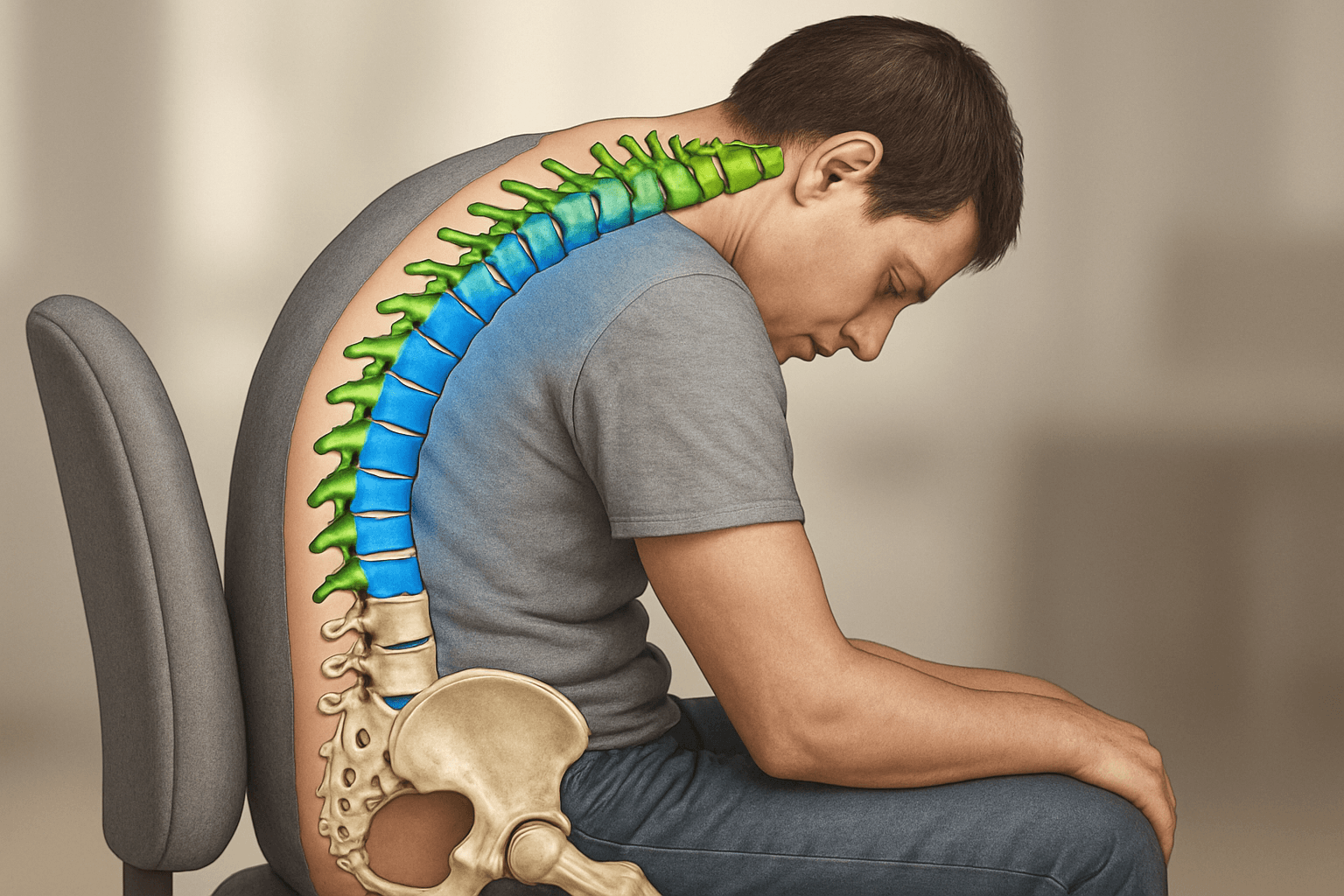
One of the biggest contributors to chronic neck tension is forward head posture.
This happens when:
- your head shifts slightly forward
- your neck muscles work harder to support it
- tension builds over time
Even a small misalignment can significantly increase strain on the neck and upper back.
Muscle Compensation and Imbalance
Why Muscles Stay Tight
When your structure is off, your muscles compensate to keep you upright.
This leads to:
- overworked neck muscles
- constant tightness
- fatigue and soreness
The tension isn’t the problem—it’s the body’s response to imbalance.
Old Injuries That Never Fully Resolved
The Lingering Effect
Even minor injuries can have long-term effects if they weren’t properly corrected.
Examples include:
- whiplash
- sports injuries
- falls or impacts
Over time, your body adapts around these issues, leading to chronic tension without obvious pain at the original injury site.
Nervous System Involvement
Why Tension Feels Constant
Chronic neck tension isn’t just muscular—it’s neurological.
When your structure is misaligned:
- the nervous system stays on high alert
- muscles remain tight as a protective response
- relaxation becomes difficult
This is why short-term solutions like massage often provide only temporary relief.
Why Temporary Fixes Don’t Last
Treating Symptoms Instead of the Cause
Most treatments focus on reducing tension rather than addressing why it’s there.
Common approaches include:
- massage
- stretching
- pain relief methods
While helpful short-term, they don’t fix the underlying issue—so the tension returns.
The Role of Structural Correction
Addressing the Root Cause
Long-term relief comes from correcting the structure, not just the symptoms.
Approaches like Advanced BioStructural Correction focus on:
- restoring alignment
- reducing strain on muscles
- allowing the body to function naturally
This creates lasting change rather than temporary relief.
When Neck Tension Signals a Bigger Issue
Recognizing the Warning Signs
Chronic neck tension can be a sign of deeper problems when it’s accompanied by:
- headaches or migraines
- dizziness
- reduced range of motion
- upper back or shoulder discomfort
In these cases, targeted solutions like neck pain relief should be considered as part of a broader structural approach.
Key Takeaways
What You Need to Know About Chronic Neck Tension
- It’s often caused by structural imbalance, not injury
- Posture plays a major role in long-term tension
- Muscles tighten as a response, not the root issue
- Temporary relief methods don’t fix the cause
- Structural correction leads to lasting improvement
Understanding chronic neck tension changes how you approach treatment—and opens the door to real, long-term solutions.
FAQs
Why do I have neck tension if nothing is wrong on scans?
Scans often don’t show functional or structural imbalances. Chronic tension can exist without visible damage. The issue is often related to posture or alignment.
Can poor posture really cause chronic neck tension?
Yes, poor posture is one of the leading causes. Forward head positioning places constant strain on the neck. Over time, this leads to persistent tightness.
Why does neck tension keep coming back after massage?
Massage treats the symptoms, not the cause. It relaxes muscles temporarily but doesn’t fix structural issues. This is why tension often returns.
How long does it take to fix chronic neck tension?
It depends on how long the issue has been present. Structural correction can take time but leads to lasting results. Consistency is key.
When should I seek professional help for neck tension?
If the tension is persistent or worsening, it’s time to get help. Especially if it affects your daily life or causes other symptoms. Early intervention leads to better outcomes.