When it comes to lifting heavy, most people focus on programming, volume, and nutrition. But one crucial factor often overlooked is posture. Whether you’re deadlifting, benching, or squatting, your posture determines how effectively you transfer force, engage key muscle groups, and avoid injury. Let’s break down how posture affects weightlifting performance — and what you can do to optimize it.
Jump to:
- Posture and Weightlifting: The Functional Connection
- Top Ways Posture Impacts Weightlifting
- Postural Red Flags for Lifters
- Corrective Tips to Improve Posture and Lifting Performance
- Key Takeaways
- FAQs
TLDR – Quick Guide
- Ensures proper form and muscle activation
- Reduces risk of injuries under heavy loads
- Improves range of motion and joint stability
- Enhances core engagement and bracing mechanics
- Boosts overall lifting performance and longevity
Posture and Weightlifting: The Functional Connection
Posture = Foundation
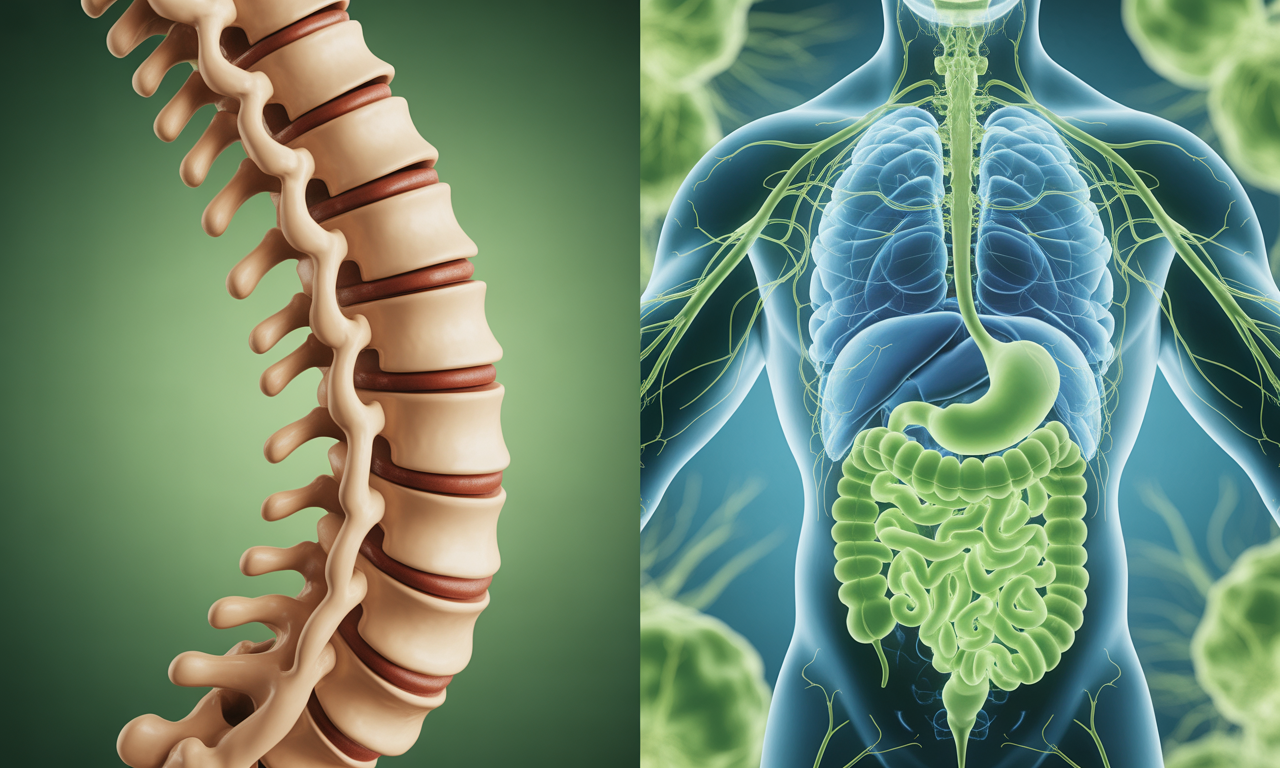
Proper posture isn’t just how you stand — it’s how your spine, hips, and shoulders align during movement. In weightlifting, poor posture alters mechanics and causes your body to compensate with inefficient or dangerous patterns.
When you lift under poor alignment:
- Muscles don’t activate correctly
- Stress shifts to passive structures like joints or ligaments
- Force output drops, limiting strength potential
Top Ways Posture Impacts Weightlifting
1. Core Bracing and Spinal Stability
Neutral spine posture is essential for bracing the core effectively during heavy lifts like squats and deadlifts. When posture breaks down (e.g., excessive lumbar arch or rounding), intra-abdominal pressure is compromised.
Why it matters:
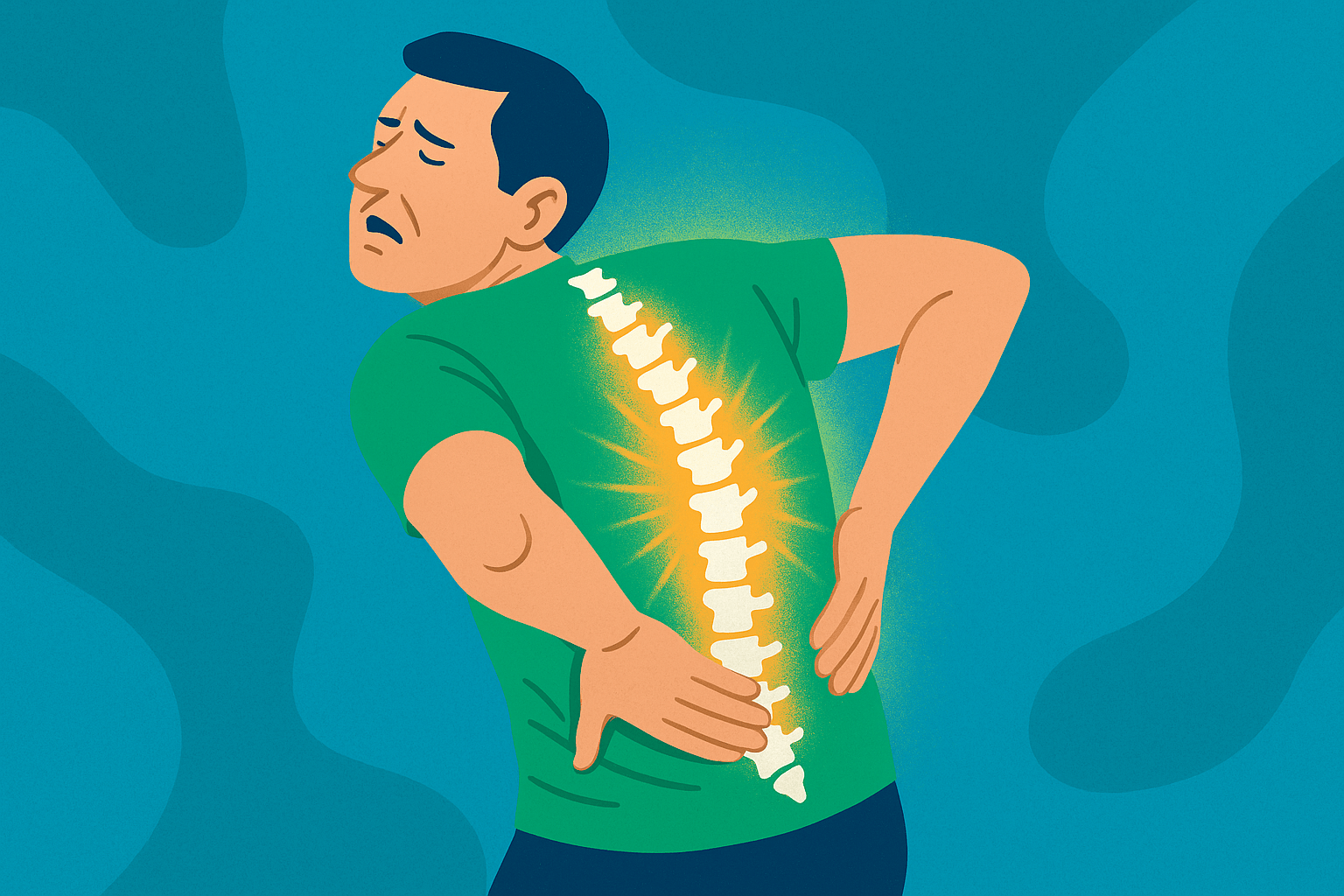
Poor spinal posture limits bracing strength, increasing the risk of lower back injuries and power leaks.
2. Shoulder Position and Pressing Power
Rounded shoulders from poor posture (especially due to daily sitting) limit scapular mobility. This affects overhead and bench pressing by reducing range and increasing impingement risk.
Why it matters:
Postural correction improves pressing mechanics and reduces shoulder strain.
3. Hip Alignment and Lower Body Strength
Anterior pelvic tilt or asymmetrical hip positioning throws off squat and deadlift alignment. It also causes overreliance on one leg or the lower back.
Why it matters:
Balanced hip posture allows proper engagement of the glutes and hamstrings, which are vital for power and safety.
4. Movement Efficiency and Muscle Recruitment
Good posture allows optimal joint tracking and range of motion. This leads to better recruitment of primary movers (e.g., lats, glutes, quads) instead of stabilizers or compensating muscles.
Why it matters:
Better posture = stronger lifts and less wear on joints over time.
Postural Red Flags for Lifters
Watch out for:
- Rounded shoulders during squats or pulls
- Overarched lower back in overhead lifts
- Forward head posture affecting bracing
- Asymmetrical stance or shifting under load
Corrective Tips to Improve Posture and Lifting Performance
1. Postural Assessments
Get evaluated by a movement specialist or chiropractor to identify misalignments. A postural screen can reveal compensation patterns that go unnoticed under load.
2. Thoracic Mobility Work
Some people recommend foam rolling, wall slides, and thoracic extensions on a bench to improve mid-back mobility — critical for squats and overhead lifts. We do not recommend foam rolling or extension stretches for the thoracic spine as that paradoxically makes that area misalign further. Wall slides can work as long as you maintain a neutral spine. A moderately stiff thoracic spine requires specialist treatment to release adhesions and scar tissue.
3. Core Activation Drills
Dead bugs, bird-dogs, and diaphragmatic breathing exercises help restore deep core engagement before lifting.
4. Glute and Hip Realignment
Strengthen glutes and stabilize hips with exercises like clamshells, single-leg bridges, and lateral band walks.
5. Consider Advanced BioStructural Correction chiropractic care
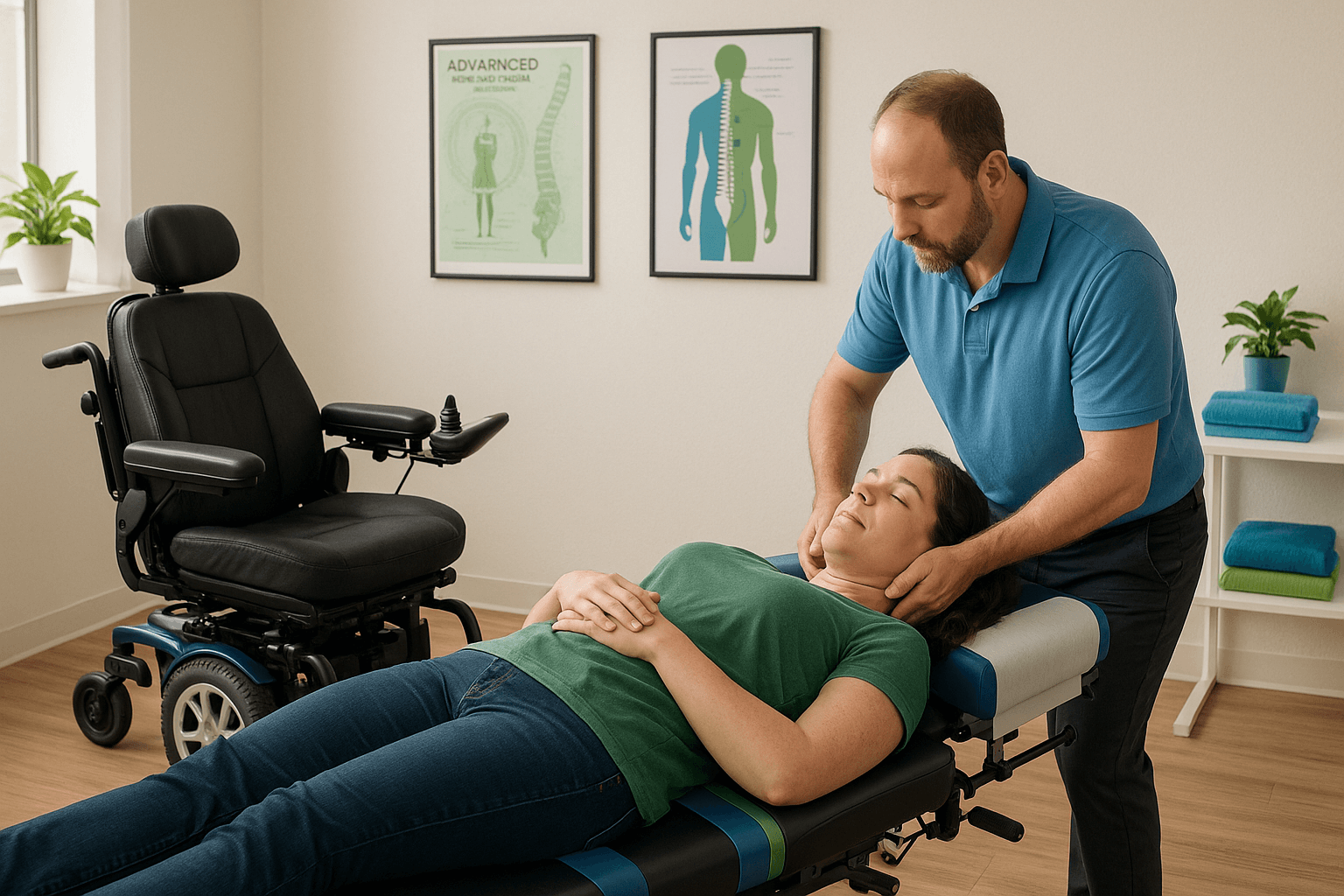
Unlike every other for of chiropractic treatment, Advanced BioStructural Correction consistently improves the ppsture and alignment of your entire body. An inherently better aligned skeleton inproves your lifting posture without as much need for conscious effort. Regular corrective care helps maintain spinal alignment, enhances joint mobility, and optimizes nervous system control — all vital for athletic performance.
Key Takeaways
- Posture is the foundation of every lift — it dictates stability, form, and efficiency
- Poor posture leads to faulty movement, weaker performance, and injury risk
- Improving posture enhances muscle activation, range of motion, and safety
- Core bracing, shoulder positioning, and hip symmetry all depend on alignment
- Chiropractic care and mobility work are powerful tools for long-term lifting success
FAQs
1. Can posture really affect how much I can lift?
Absolutely. Proper alignment improves muscle engagement, muscle leverage and power transfer, directly impacting your lifting capacity. Our patients increase grip strength by between 10-100+% through postural realignment alone.
2. What are the most common posture-related lifting injuries?
Lower back strains, shoulder impingement, and hip instability often result from poor posture under load.
3. How do I know if posture is limiting my strength?
If you’re plateauing, feeling pain, or noticing asymmetry during lifts, poor posture could be the hidden factor.
4. Should I fix posture before starting a lifting program?
Yes. Starting with strong postural habits ensures safer progress and minimizes the risk of injury.
5. Can a chiropractor help with lifting-related posture issues?
Yes. Chiropractors trained in performance and structural correction can help align your spine and improve movement mechanics.