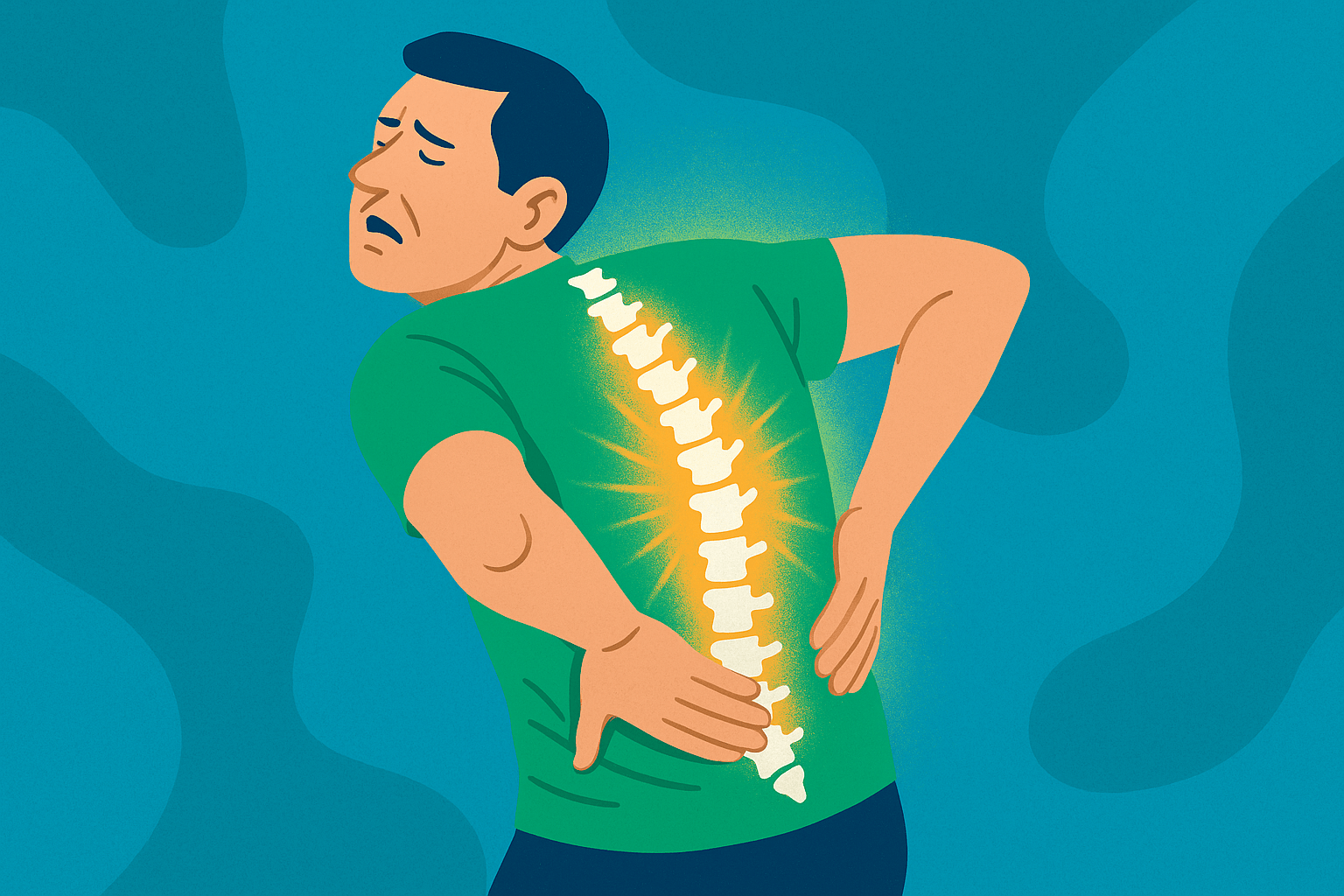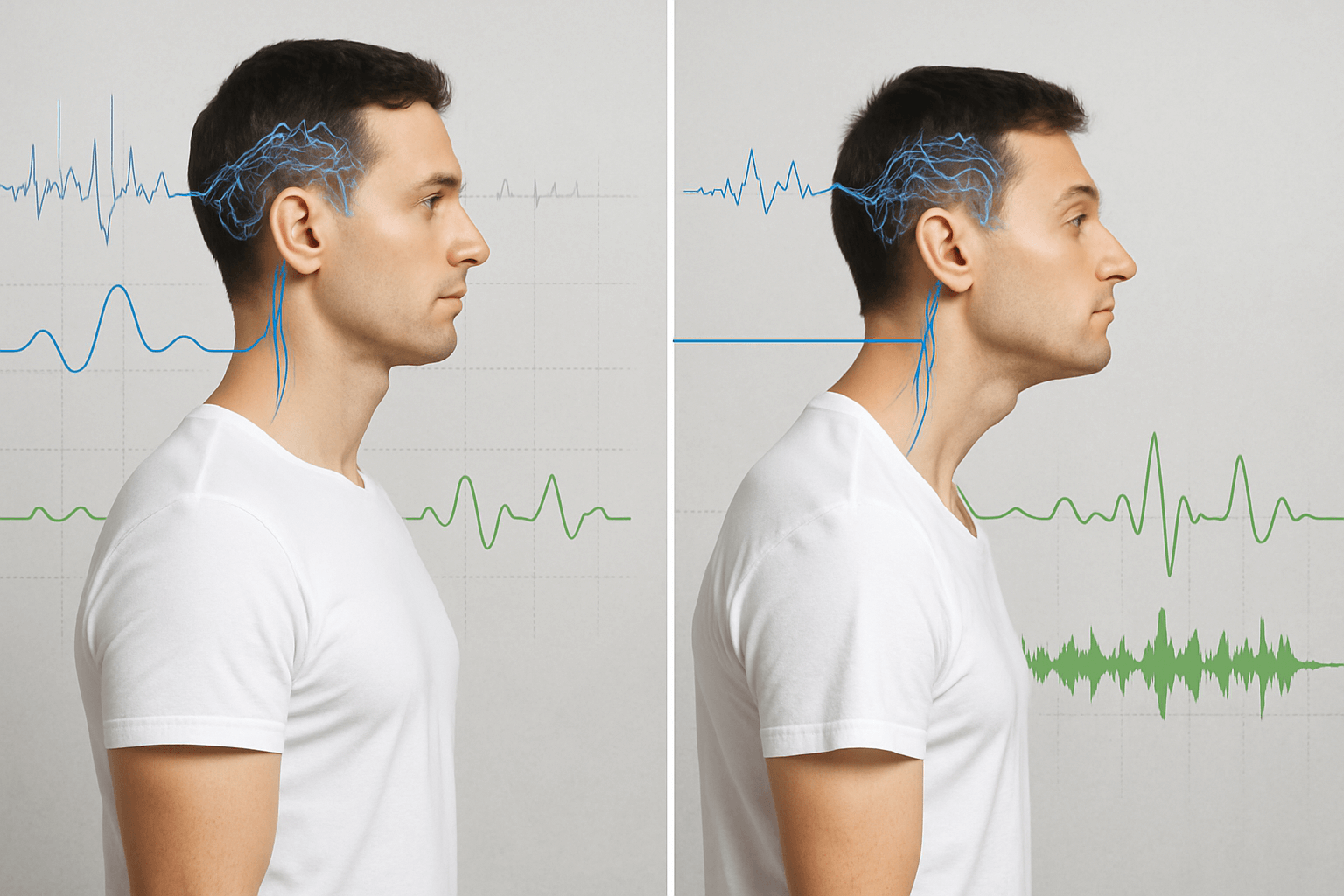
Shoulder pain isn’t just a joint problem—it’s often a postural problem. Many people searching for a “shoulder chiropractor near me” are actually struggling with movement restrictions caused by misalignments throughout the spine, rib cage, and shoulder girdle. Over time, these imbalances affect how your shoulder sits, moves, and supports load.
Postural alignment therapy, including advanced methods like Advanced BioStructural Correction™ (ABC™), helps correct the structures that drive recurring shoulder stiffness, impingement, weakness, or sharp pain. In Sutton Coldfield, therapies like shoulder alignment treatment and structural correction are becoming essential tools for restoring natural movement.
If you’ve been dealing with chronic shoulder issues, this guide will help you understand why posture matters — and how improving upright body posture can dramatically change your mobility.
Jump To:
TLDR: Quick Guide
- Shoulder pain often stems from postural misalignments, not just shoulder strain.
- Correcting spinal and rib alignment helps restore shoulder mechanics.
- ABC™ and shoulder alignment therapy in Sutton Coldfield provide long-term relief.
- The right chiropractor doesn’t just treat pain — they correct the movement system.
- Most people notice improvements within a few sessions.
How Postural Alignment Influences Shoulder Pain
Your shoulder relies on a complex kinetic chain involving your spine, rib cage, collarbone, and scapula. When any structure in this chain shifts forward — due to slouching, desk work, or structural collapse — the shoulder no longer rests in a neutral position.
This leads to:
- Restricted overhead movement
- Pinched nerves and impingement
- Rotator cuff overload
- Bicep tendon irritation
- Deep aching or sharp catching
Pages like the clinic’s Shoulder Pain, Stiffness & Weakness highlight how common these mechanical issues are. Correcting posture restores joint space, reduces pressure on nerves, and improves muscular balance.
For many patients, postural correction becomes the missing piece that finally resolves symptoms other treatments couldn’t fix.
Understanding Shoulder Alignment Therapy in Sutton Coldfield
Many people searching for shoulder alignment therapy Sutton Coldfield are experiencing pain caused by structural collapse — forward shoulders, rounded posture, or rib displacement.
Techniques used in clinics such as Advanced BioStructural Correction™)
focus on correcting the structures that the body cannot fix on its own.
This approach helps:
- Improve shoulder range of motion
- Reduce nerve interference
- Stabilize the scapula
- Restore proper rib and spinal positioning
By restoring upright body posture , the shoulder regains its natural movement pattern without being forced or manipulated aggressively.
Signs You Need a Shoulder Chiropractor Near You
Shoulder pain is not always just a sore muscle. Because the shoulder works as part of a bigger system that includes the neck, upper back, ribs, shoulder blade, and core, discomfort often appears when posture, joint mechanics, and daily habits start placing extra stress on the area.
You may benefit from shoulder focused chiropractic care, especially postural alignment care, if you notice any of the signs below.
1. Pain or Weakness When Lifting Your Arm
If reaching overhead, putting on a jacket, or lifting shopping bags triggers pain or a feeling of weakness, it can point to restricted joint motion or poor shoulder blade control.
Common contributors include:
- The shoulder blade sitting too far forward or “winging” during movement
- Tightness through the chest and front shoulder pulling the arm forward
- Stiffness in the upper back limiting overhead range (your shoulder then compensates)
Over time, this pattern can overload tendons and tissues around the shoulder and make everyday tasks feel harder than they should.
2. Pinching, Clicking, or a “Catching” Sensation
A click is not always a problem but clicking with pain, pinching, or catching often signals that the shoulder is not gliding smoothly. This may happen when posture shifts the joint position forward, reducing space for comfortable movement.
You might notice it during:
- Lifting your arm to the side or overhead
- Pressing exercises at the gym
- Reaching behind your back
Postural alignment work aims to improve how the shoulder, shoulder blade, and upper spine coordinate so the joint can move with less irritation.
3. Recurring Shoulder Tightness That Keeps Returning
If you constantly stretch your neck and shoulder but the tightness returns within hours or days, the issue may not be “lack of stretching.” Often, it is a posture driven workload problem.
When shoulders round forward, the upper traps and neck muscles may stay “on” to stabilize you, leading to:
- Persistent tightness near the top of the shoulder
- Tension around the shoulder blade
- A heavy, fatigued feeling across the upper back
In these cases, correcting alignment and restoring balanced movement can create longer lasting relief than stretching alone.
4. Desk-Related Shoulder Fatigue
Long hours at a desk can subtly change your posture head drifting forward, ribs collapsing, shoulders rolling in. That posture increases load on the shoulder blade muscles, forcing them to work overtime just to hold you upright.
You may feel:
- Burning between the shoulder blades
- Shoulder ache by late afternoon
- A “weighted” arm or tired shoulders after computer work
A shoulder chiropractor will often look beyond the shoulder itself and assess the upper back, ribs, and neck, because those areas heavily influence shoulder comfort.
5. Pain Traveling Into the Neck or Upper Back
Shoulder issues frequently involve the neck and upper thoracic spine. When the shoulder blade can not move well, the neck may compensate creating pain that spreads.
This can show up as:
- Aches that climb into the neck
- Pain between the shoulder blades
- Headaches associated with upper neck tension
Addressing alignment and joint mechanics across these connected areas can reduce the “referral” pattern and help the shoulder move with less strain.
6) Limited Range of Motion (Even Without Sharp Pain)
If one arm does not reach as high, rotate as far, or move as smoothly as the other, it is a sign something is restricting motion often the upper back, shoulder blade, or the shoulder joint itself.
Common examples:
- Difficulty reaching behind your back (for example fastening a bra)
- Stiffness when reaching overhead
- Reduced external rotation when your elbow is by your side
Improving mobility where you are stiff and stability where you are overly loose often makes movement feel freer and more confident.
7) Pain When Sleeping on Your Side
Shoulder pain at night is one of the most frustrating symptoms. Side sleeping can compress sensitive tissues, especially if the shoulder is already irritated or pulled forward by posture.
You may notice:
- Waking up on the sore shoulder with numbness or ache
- Needing to switch sides repeatedly
- Pain when rolling onto that arm
Postural alignment care can reduce the “forward shoulder” position that increases nighttime compression, while also improving mechanics so the joint calms down.
8) Pain With Pressing, Pushing, or Carrying
If pushing doors, doing press ups, bench press, overhead press, or carrying loads aggravates the shoulder, it may reflect a coordination problem between the shoulder blade and the arm bone.
Often this is linked to:
- Rounded shoulders and poor scapular positioning
- Weakness or delayed activation of stabilising muscles
- Overuse of the front shoulder muscles compared to the mid back
A good care plan typically blends joint work, posture correction, and targeted movement strategies.
How Posture-Centered Shoulder Chiropractic Works
A shoulder chiropractor doesn’t just adjust the joint—they correct the structures around it.
Typical sessions include:
1. Structural Assessment
Full-body evaluation identifies misalignments contributing to shoulder dysfunction.
2. ABC™ Corrections
By releasing stuck spinal segments, the shoulders naturally retract into better alignment.
3. Rib and Scapular Work
Realigning rib restrictions improves shoulder elevation and rotation.
4. Unwinding & Long-Term Correction
The shoulder doesn’t just need a quick fix — it needs a long-term process of structural correction.
Benefits of Shoulder Alignment Therapy
Patients dealing with recurring shoulder issues often experience significant improvements after correcting posture.
- Restored natural movement
- Pain reduction and improved stability
- Better overhead flexibility
- Less nerve irritation
- Improved posture and daily comfort
Internal linking opportunity:
For athletes, shoulder alignment greatly enhances performance — learn more at the Sports Chiropractor page.
Key Takeaways
- “Shoulder chiropractor near me” searches often lead to posture-based solutions.
- Misalignment in the spine and ribs frequently causes shoulder pain.
- ABC™ and structural correction restore natural shoulder mechanics.
- Sutton Coldfield offers highly specialized posture-led shoulder therapies.
- Correcting upright body posture is essential for long-term shoulder relief.
FAQs
Why does my shoulder hurt even if I haven’t injured it?
Many shoulder problems come from postural misalignments rather than sudden injuries. When the spine or rib cage shifts forward, the shoulder joint becomes compressed. Over time this causes pain, weakness, and restricted movement even without a direct injury.
How long does shoulder alignment therapy take to work?
Most patients feel changes within the first few sessions due to reduced structural pressure. Deeper correction happens gradually as posture improves. Long-term improvements typically occur over several weeks to months.
Is a shoulder-focused chiropractor different from a regular chiropractor?
A shoulder chiropractor evaluates the entire postural system, not just the shoulder joint. They focus on correcting structural misalignments that affect shoulder mechanics. This leads to more stable, long-lasting results than joint-only treatments.
Can poor posture really cause shoulder pain?
Yes — forward posture places significant strain on the shoulder joint and surrounding muscles. It restricts joint space and creates chronic tension. Correcting posture often resolves shoulder pain that traditional treatments miss.