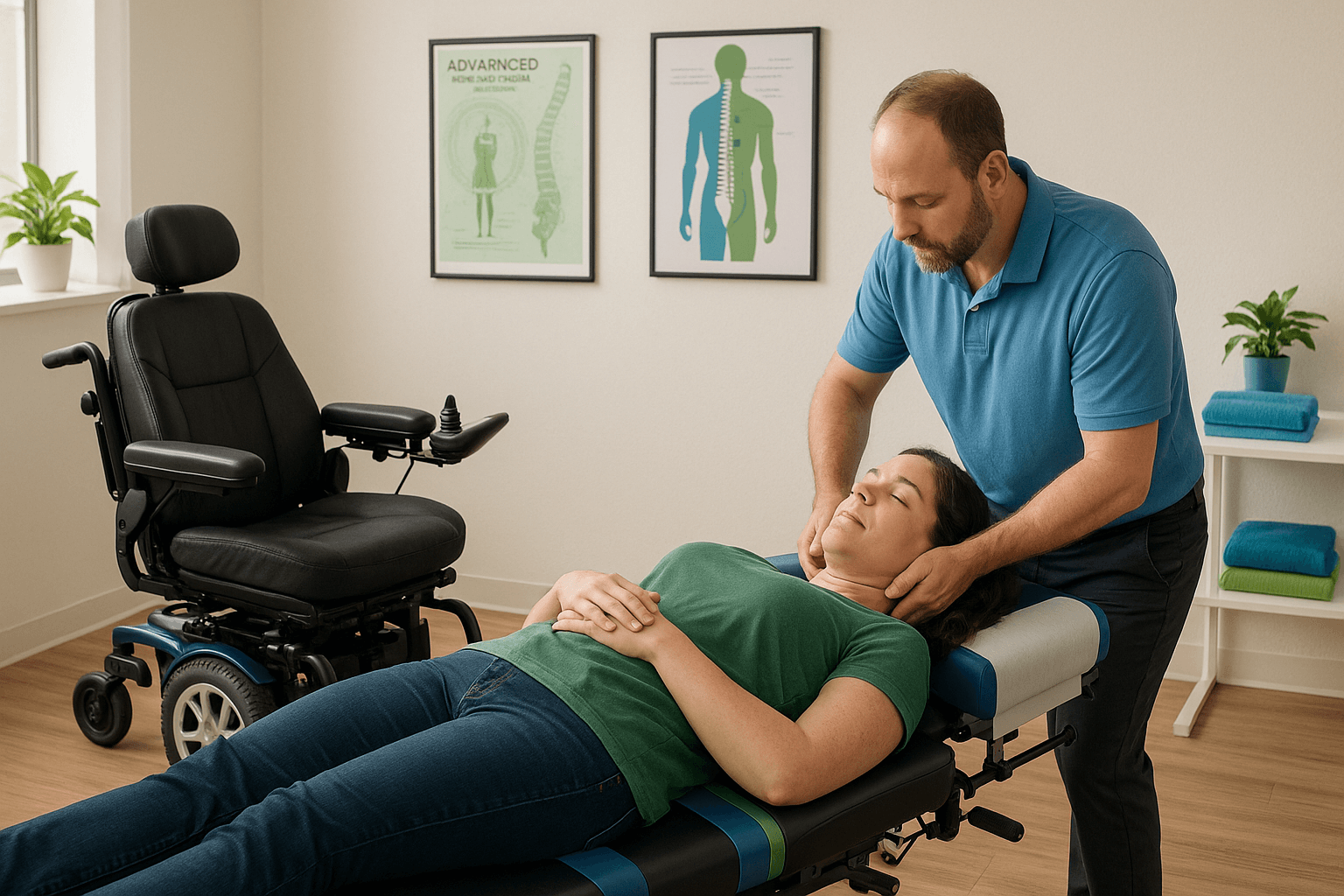
Spinal compensation occurs when one part of the body is misaligned or restricted, forcing other areas to adjust in order to maintain balance. While this helps you stay upright and functional, it also creates uneven stress throughout the body.
Over time, these compensations can lead to pain in places that seem unrelated to the original issue. Clinics like Upright Posture focus on identifying these underlying imbalances rather than just treating surface-level symptoms.
Jump To:
TLDR Quick Guide
What to know about spinal compensation:
- The body shifts to maintain balance when misaligned
- Pain often appears away from the root cause
- Compensation increases stress on joints and muscles
- Symptoms can worsen over time without correction
- Addressing structure is key to long-term relief
Fix the cause—not just the symptom.
What Is Spinal Compensation?
The Body’s Adaptation Mechanism
When the spine is not properly aligned, the body compensates by adjusting posture and movement patterns. This allows you to continue functioning but creates imbalances.
These adaptations may feel normal at first, but they place strain on other areas.
Why It Often Goes Unnoticed
Because compensation develops gradually, most people don’t notice it happening. Pain may only appear once the body can no longer sustain the imbalance.
This delay is why symptoms often feel sudden or confusing.
How Compensation Leads to Pain in Other Areas
Shifting Stress to Different Regions
If one part of your spine is restricted, another part may become overactive to compensate. This shifts stress into muscles and joints not designed to handle it.
For example, lower back issues may lead to tight hips or upper back strain.
Chain Reaction Throughout the Body
The body works as a connected system. A small imbalance in one area can trigger a chain reaction affecting multiple regions.
This is why treating only the painful area often doesn’t solve the problem.
Common Areas Affected by Spinal Compensation
Lower Back Pain
The lower back is one of the most common areas impacted by compensation. It often absorbs stress from poor posture or upper body misalignment.
Targeted care like back pain relief focuses on addressing both symptoms and underlying causes.
Sciatica and Nerve Irritation
Spinal compensation can compress nerves, leading to symptoms like tingling, numbness, or shooting pain.
Conditions such as sciatica and pinched nerves are often linked to structural imbalances rather than isolated injuries.
Shoulders and Neck
When the spine compensates, the shoulders and neck often take on additional strain. This can lead to stiffness, headaches, and reduced mobility.
These symptoms are frequently mistaken as separate issues.
Why Treating Only the Pain Doesn’t Work
Temporary Relief vs Long-Term Correction
Pain relief treatments may reduce discomfort temporarily, but they don’t address the underlying compensation pattern.
As a result, the pain often returns—or shifts to another area.
The Importance of Structural Assessment
To resolve compensation, it’s essential to evaluate the entire body—not just the painful region. This helps identify the root cause of the imbalance.
Without this step, treatment remains incomplete.
How Structural Correction Helps
Restoring Proper Alignment
Correcting spinal alignment reduces the need for compensation. This allows the body to function more efficiently and with less strain.
It also helps prevent future issues from developing.
Improving Movement and Stability
When alignment improves, movement becomes smoother and more balanced. This reduces stress on joints and muscles.
Approaches like Advanced BioStructural Correction focus on long-term structural changes rather than short-term fixes.
Signs You May Be Experiencing Spinal Compensation
Uneven Weight Distribution
If you tend to shift weight to one side while standing or walking, it may indicate compensation. This can lead to asymmetry over time.
You may also notice one side feels tighter or more fatigued.
Recurring or Shifting Pain
Pain that moves from one area to another is a common sign of compensation. This suggests the body is continuously adjusting.
Ignoring these patterns often leads to worsening symptoms.
Why Early Intervention Matters
Preventing Long-Term Damage
The longer compensation continues, the more strain builds in the body. This increases the risk of chronic pain and structural issues.
Early intervention can stop this progression.
Supporting Long-Term Health
Addressing spinal compensation early improves posture, mobility, and overall function. It also reduces the likelihood of recurring pain.
This creates a more stable and resilient body over time.
Key Takeaways
- Spinal compensation shifts stress throughout the body
- Pain often appears in areas unrelated to the root cause
- Treating symptoms alone leads to temporary relief
- Structural correction addresses the underlying issue
- Early intervention prevents long-term complications
FAQs
What is spinal compensation?
Spinal compensation is the body’s way of adapting to imbalances in alignment. It shifts stress to other areas to maintain function. Over time, this can lead to pain and dysfunction.
Why does pain appear in different areas?
Because the body works as a connected system, one imbalance affects multiple regions. Stress is redistributed to compensate for weakness or restriction. This causes pain in unexpected places.
Can spinal compensation be reversed?
Yes, with proper assessment and treatment, compensation patterns can be corrected. Structural approaches focus on restoring alignment. This reduces stress and improves function.
How do I know if my pain is caused by compensation?
Recurring or shifting pain is a strong indicator. Uneven posture or weight distribution may also be signs. A professional assessment can confirm the cause.
Is treating the painful area enough?
No, treating only the painful area often provides temporary relief. The underlying imbalance must be addressed. Otherwise, symptoms will likely return or move elsewhere.