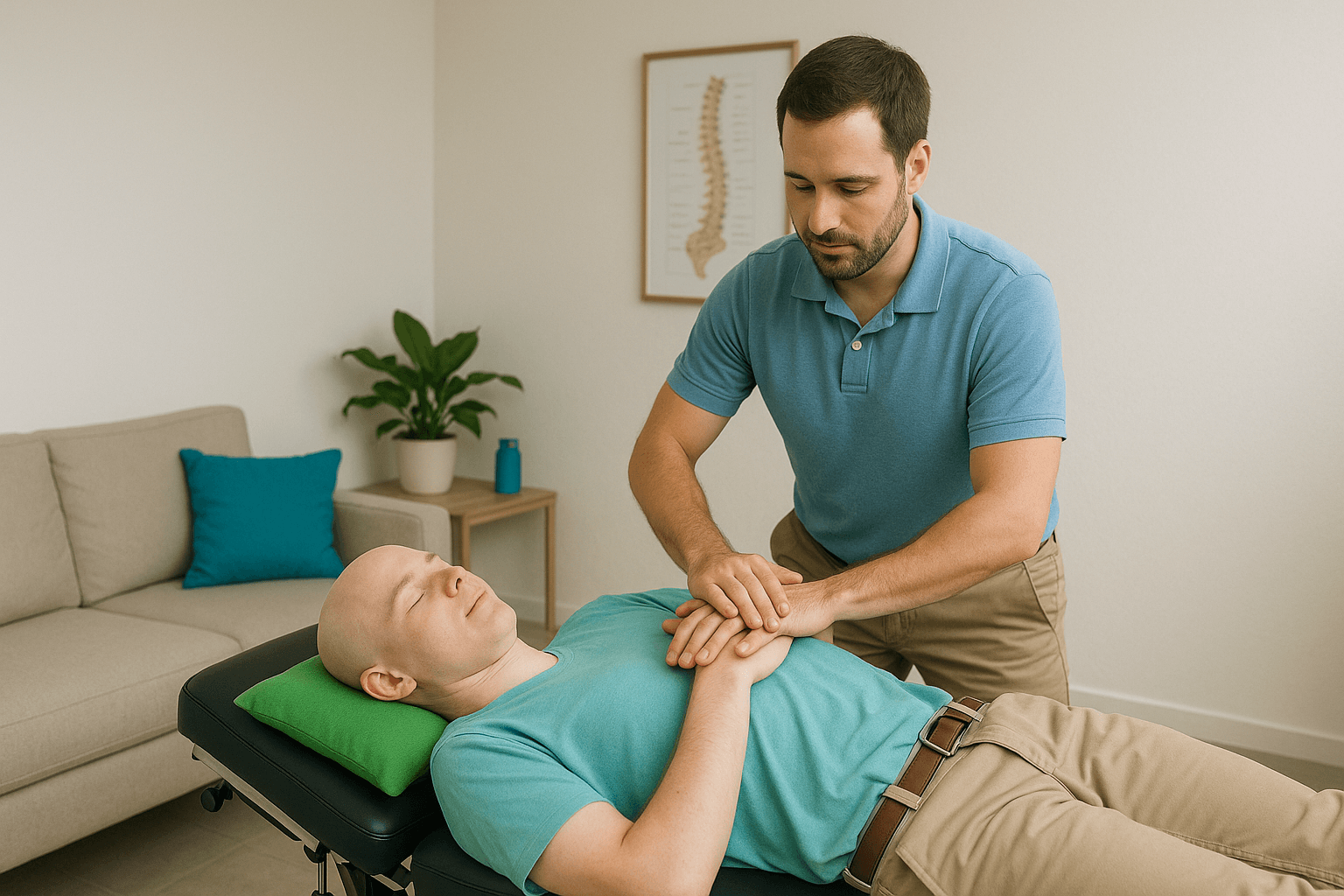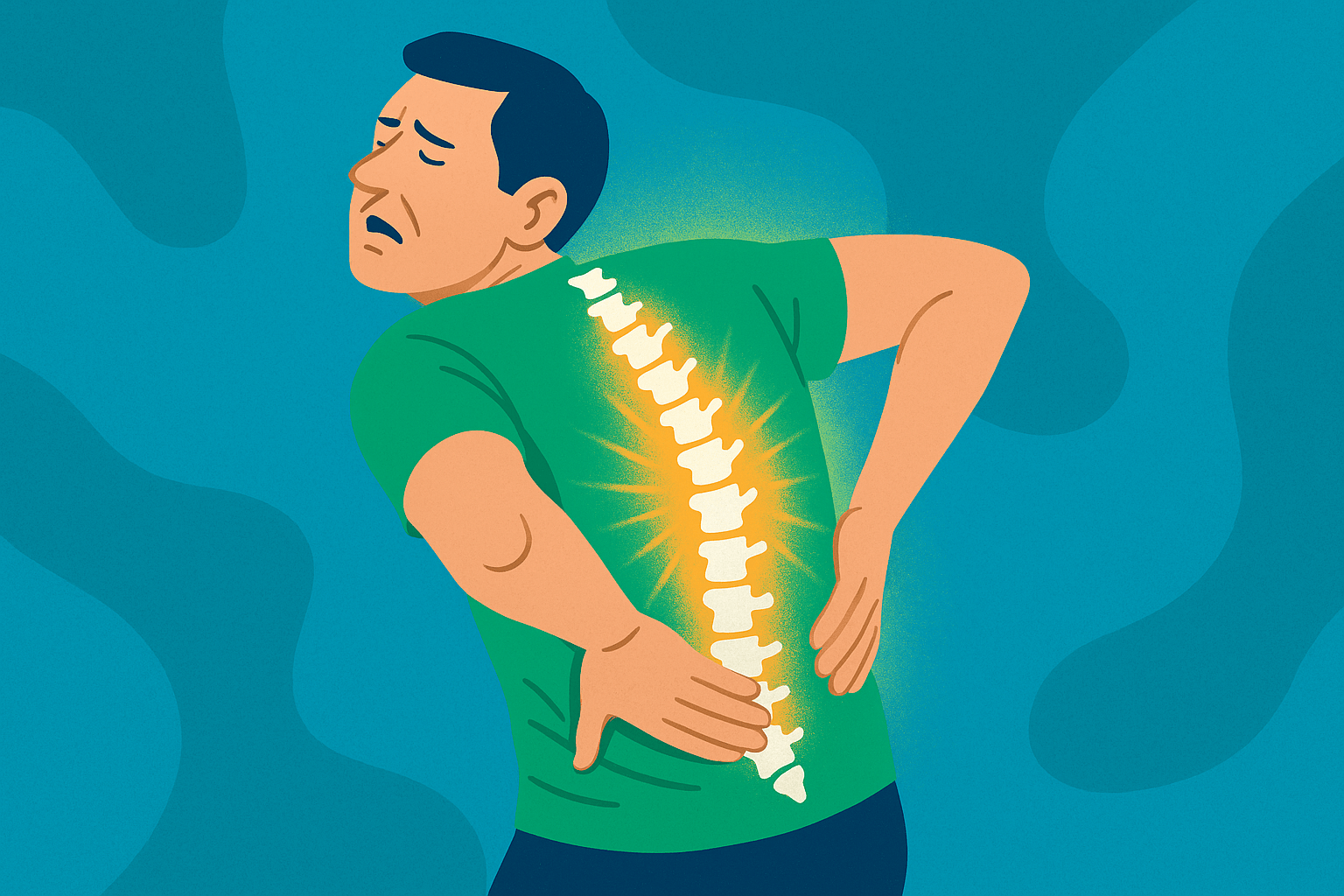
Pain that moves is often misunderstood. Many assume it means something new is going wrong each time discomfort appears in a different area. In reality, it’s often the opposite—one underlying issue expressing itself in different parts of the body.
Clinics like Upright Posture focus on identifying these root causes rather than chasing symptoms. When the body is structurally out of balance, it can create shifting stress patterns that cause pain to appear in multiple locations over time.
Jump To:
TLDR Quick Guide
- Pain moving around the body is often linked to structural imbalance
- The body compensates when one area isn’t functioning properly
- Nerves and muscle chains can refer pain to different areas
- Symptoms may shift as the body adapts
- Long-term relief comes from addressing the root cause
Why Pain Doesn’t Always Stay in One Place
The Body Works as a Connected System
The human body isn’t made up of isolated parts—it’s a connected system. Muscles, joints, and nerves all work together.
When one area becomes restricted or misaligned, other areas compensate. This creates stress in different regions, causing pain to “move” rather than remain in one spot.
Compensation Patterns Spread the Problem
If your lower back isn’t functioning properly, your body may shift the load to your hips, shoulders, or neck. Over time, these compensations lead to new areas of discomfort.
What feels like multiple issues is often just one problem affecting different parts of the body.
Common Causes of Pain Moving Around the Body
Structural Imbalance
One of the most common reasons is structural misalignment. When the body is out of balance, it creates uneven pressure across joints and muscles.
Approaches like Advanced BioStructural Correction focus on correcting these imbalances to reduce stress throughout the entire body.
Nerve Pathways and Referred Pain
Nerves can carry pain signals away from the source. For example, an issue in the spine can cause discomfort in the arms, legs, or other distant areas.
This is known as referred pain, and it often makes diagnosis more challenging.
Muscle Imbalances and Weakness
When certain muscles are weak or overactive, others compensate. This imbalance creates uneven strain, leading to shifting pain patterns.
Over time, the body becomes less efficient, increasing the likelihood of recurring discomfort.
Why Pain Can Shift Over Time
The Body Is Constantly Adapting
Your body is always trying to adapt and protect itself. When one area becomes painful, it adjusts movement patterns to avoid that discomfort.
While this reduces pain in one area, it often creates new stress elsewhere.
Temporary Relief Doesn’t Fix the Root Cause
Treatments that focus only on symptoms—like massage or medication—may provide temporary relief. But if the underlying issue isn’t addressed, the pain often returns in a different location.
This cycle can continue for months or even years.
Areas Commonly Affected by Moving Pain
Back and Spine
The spine is central to movement and support. Issues here often lead to shifting pain throughout the body.
Many people start with lower back discomfort before experiencing symptoms in other areas.
Neck and Shoulders
Neck tension can radiate into the shoulders, upper back, and even the arms. This is why addressing neck pain relief often improves symptoms in multiple areas.
Hips and Legs
Problems in the hips or lower back can cause pain in the legs, knees, or even feet. These patterns are often linked to how the body distributes weight and movement.
Why Treating Symptoms Isn’t Enough
Pain Is a Signal, Not the Problem
Pain is your body’s way of signaling that something isn’t right. Treating the symptom without addressing the cause is like silencing an alarm without fixing the issue.
This is why pain often returns—or appears elsewhere.
Long-Term Relief Requires Structural Correction
To stop pain from moving around, the underlying imbalance must be corrected. This means improving alignment, restoring proper movement, and reducing unnecessary strain.
Focusing on root causes leads to more stable, long-term results.
How to Address Pain That Moves Around the Body
Identify the Root Cause
The first step is understanding where the problem actually originates. This often requires a full-body assessment rather than focusing on one painful area.
Improve Posture and Alignment
Posture plays a major role in how forces are distributed throughout the body. Poor posture increases strain and contributes to compensation patterns.
Seek Structured, Long-Term Solutions
Working with professionals who focus on structural correction can help break the cycle of shifting pain. This approach addresses the source rather than chasing symptoms.
Key Takeaways
What You Should Remember
- Pain moving around the body is often caused by one underlying issue
- The body compensates when alignment or function is off
- Referred pain can make symptoms appear in different areas
- Treating symptoms alone won’t stop the cycle
- Long-term relief comes from addressing structural imbalances
FAQs
Why does my pain move from one place to another?
Pain moves because the body compensates for dysfunction. When one area is stressed, other areas take on extra load. This creates new points of discomfort over time.
Is moving pain a serious issue?
It can indicate an underlying structural or functional problem. While not always serious, it should not be ignored. Persistent shifting pain often requires proper assessment.
Can poor posture cause pain to move?
Yes, poor posture affects how the body distributes pressure. This leads to uneven stress on muscles and joints. Over time, pain can appear in different areas.
Why does treatment sometimes only help temporarily?
Temporary treatments address symptoms, not causes. Once the effect wears off, the underlying issue remains. This allows pain to return or shift.
What is the best way to stop moving pain?
The most effective approach is identifying and correcting the root cause. Structural correction and proper alignment play key roles. Long-term solutions focus on how the body functions as a whole.