Most people think a deviated septum is just a breathing issue—but that’s only part of the story. The reality is, the answer to can a deviated septum affect your whole body is yes—and often in ways people don’t immediately connect.
When your breathing is compromised, your body compensates. Over time, those compensations can impact posture, muscle balance, sleep quality, and even chronic pain patterns. What starts as a nasal obstruction can evolve into a full-body issue.
Clinics like Upright Posture focus on identifying these deeper connections, addressing not just symptoms but the structural causes behind them.
Jump To:
TLDR Quick Guide
Quick Breakdown
- A deviated septum can disrupt breathing patterns
- Poor breathing affects posture and muscle balance
- Compensation leads to neck, back, and shoulder strain
- Long-term issues may include headaches and fatigue
- Structural correction is key for lasting results
What Is a Deviated Septum?
Understanding the Structural Issue
A deviated septum occurs when the nasal septum—the cartilage dividing your nasal passages—is misaligned. This can partially block airflow on one or both sides.
While some people are born with it, others develop it due to injury or gradual structural changes over time.
Why It’s Often Overlooked
Many people adapt to restricted breathing without realizing it. They assume symptoms like congestion, fatigue, or poor sleep are normal.
This adaptation is where the real problems begin.
How Breathing Impacts the Entire Body
The Role of Oxygen and Posture
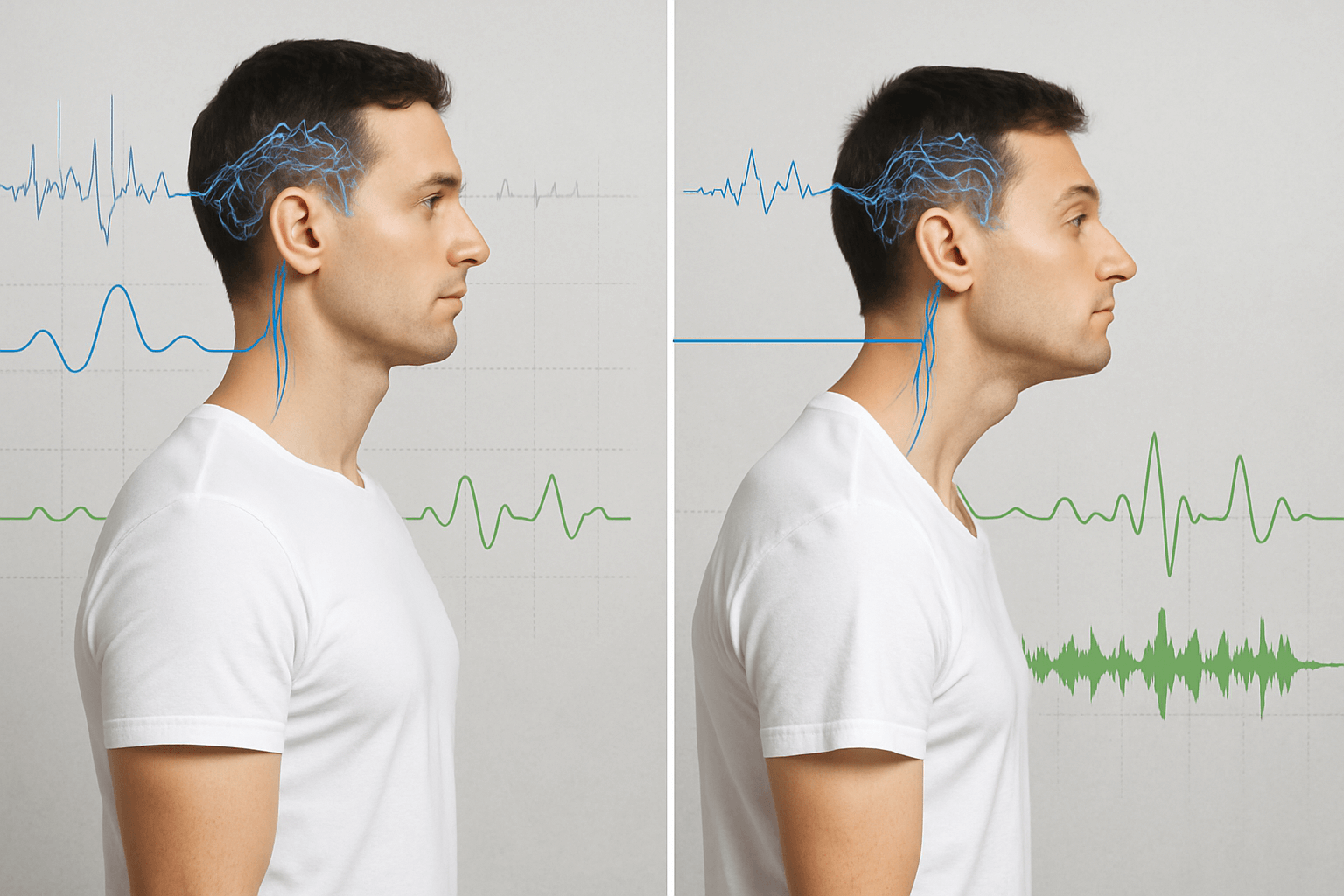
Breathing is directly linked to posture. When nasal breathing is restricted, the body often shifts to mouth breathing, which changes head positioning.
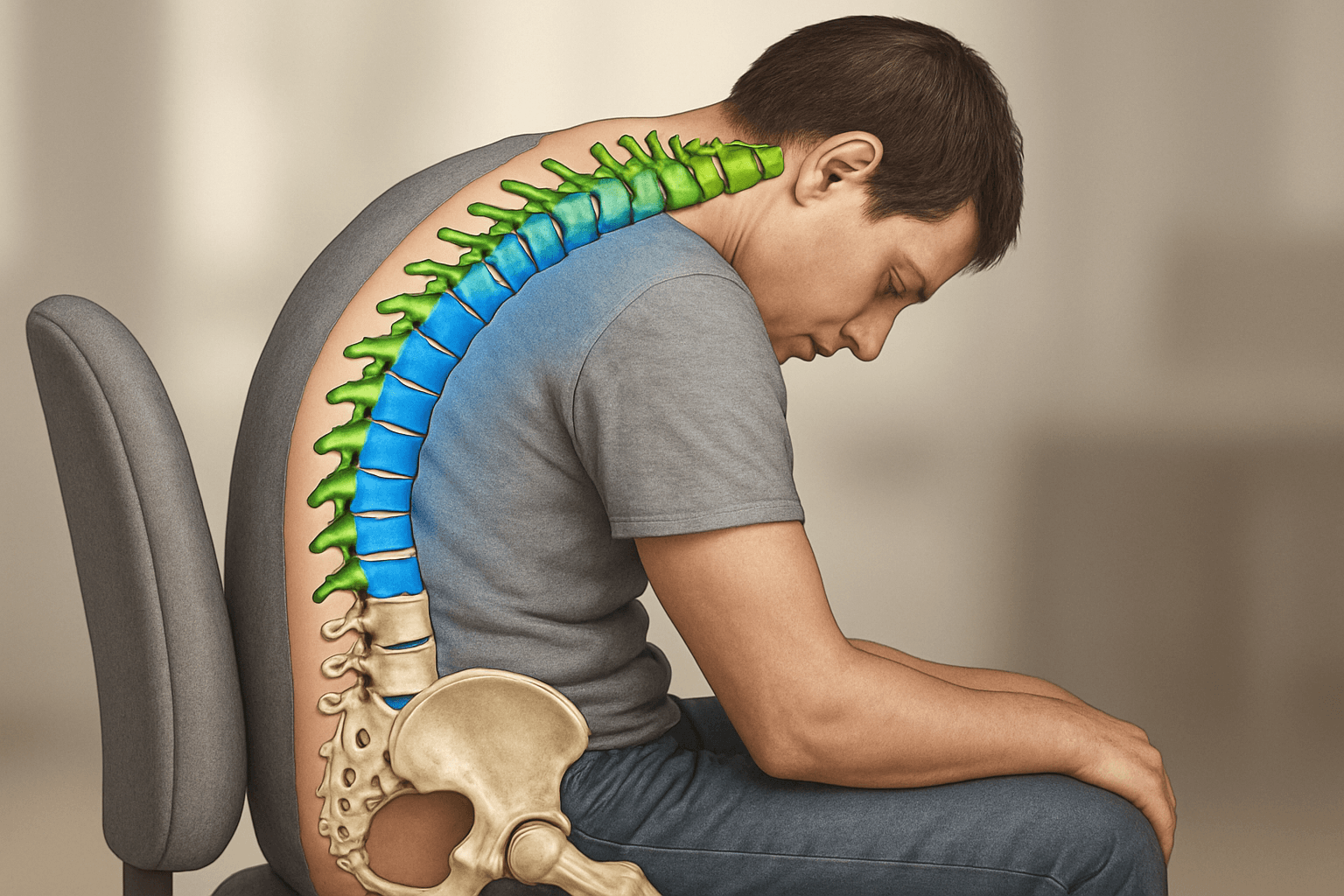
This forward head posture places stress on the neck and spine, creating a chain reaction throughout the body.
Compensation Patterns
To maintain airflow, your body adjusts unconsciously. These adjustments affect alignment, muscle tension, and balance.
Over time, these patterns can become permanent if not corrected.
The Link Between Deviated Septum and Posture
Forward Head and Neck Strain
Restricted breathing often leads to the head moving forward to open the airway. This creates tension in the neck and upper back.
Conditions like neck pain relief often tie back to these structural imbalances.
Spinal Alignment Issues
As the upper body shifts, the spine compensates. This can lead to uneven weight distribution and long-term postural distortion.
Posture isn’t just about standing straight—it’s about how your body functions as a whole.
How It Can Affect Your Whole Body
Chronic Pain and Tension
When alignment is off, muscles work harder to stabilize the body. This leads to chronic tightness, fatigue, and discomfort.
Many cases of back pain relief are connected to underlying structural issues like breathing dysfunction.
Headaches and Fatigue
Poor oxygen intake and tension in the upper body can trigger frequent headaches. Sleep quality also declines, leading to ongoing fatigue.
These symptoms are often treated separately, rather than traced back to their root cause.
Why Traditional Treatments Often Fail
Treating Symptoms Instead of Structure
Most approaches focus on relieving symptoms—like nasal sprays or pain relief. While these may help temporarily, they don’t address the structural issue.
This is why symptoms often return.
The Need for Structural Correction
Real change requires correcting the underlying alignment. Without this, the body continues compensating.
This is where advanced techniques come into play.
Structural Solutions That Address the Root Cause
Endonasal Cranial Correction
Advanced methods like endonasal cranial correction aim to improve nasal structure and airflow.
By restoring proper alignment, breathing can improve naturally.
Posture and Full-Body Alignment
Addressing posture is equally important. Techniques focused on posture correction help realign the body and reduce compensatory patterns.
This combined approach leads to more sustainable results.
Why Addressing It Early Matters
Preventing Long-Term Damage
The longer the body compensates, the more ingrained the patterns become. Early intervention can prevent chronic pain and structural issues.
Ignoring the problem often leads to more complex conditions later.
Improving Overall Quality of Life
Better breathing leads to better sleep, more energy, and improved physical performance.
Addressing the root cause doesn’t just relieve symptoms—it enhances overall well-being.
Key Takeaways
What You Should Remember
- Can a deviated septum affect your whole body — yes, through breathing and posture
- Poor breathing leads to compensation patterns
- These patterns impact posture, alignment, and pain levels
- Treating symptoms alone is not enough
- Structural correction provides long-term results
FAQs
Can a deviated septum really affect posture?
Yes, it can influence posture through breathing compensation. When airflow is restricted, the body adjusts head and neck positioning. Over time, this affects overall alignment.
Why does a deviated septum cause neck pain?
Restricted breathing often leads to forward head posture. This puts strain on neck muscles and joints. The result is ongoing tension and discomfort.
Can fixing a deviated septum improve overall health?
Improving airflow can positively impact sleep, energy, and posture. However, structural alignment also needs to be addressed. A combined approach delivers better results.
Is surgery the only option?
No, there are non-surgical approaches available. Techniques like structural correction can help improve alignment and function. These methods focus on root causes rather than symptoms.