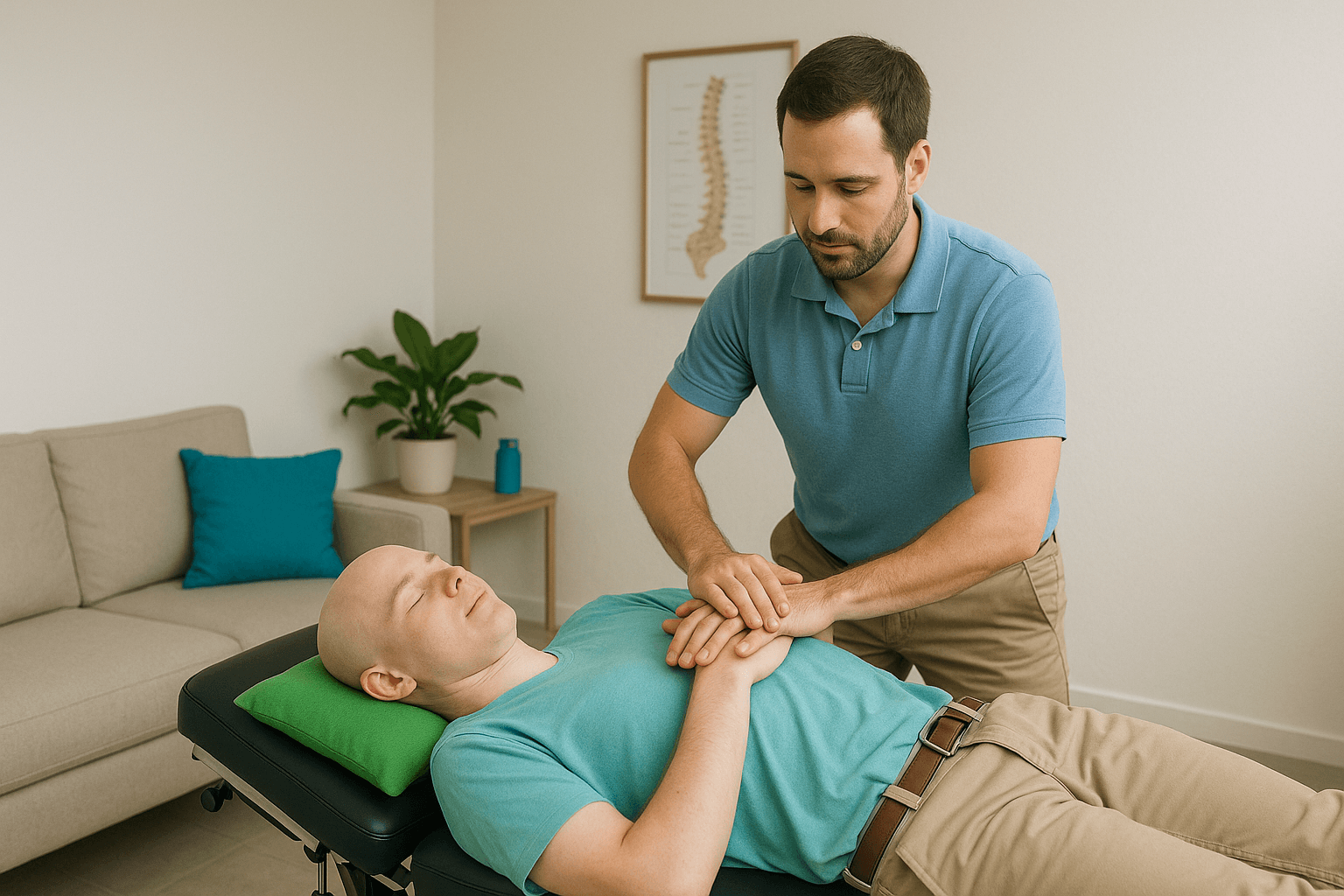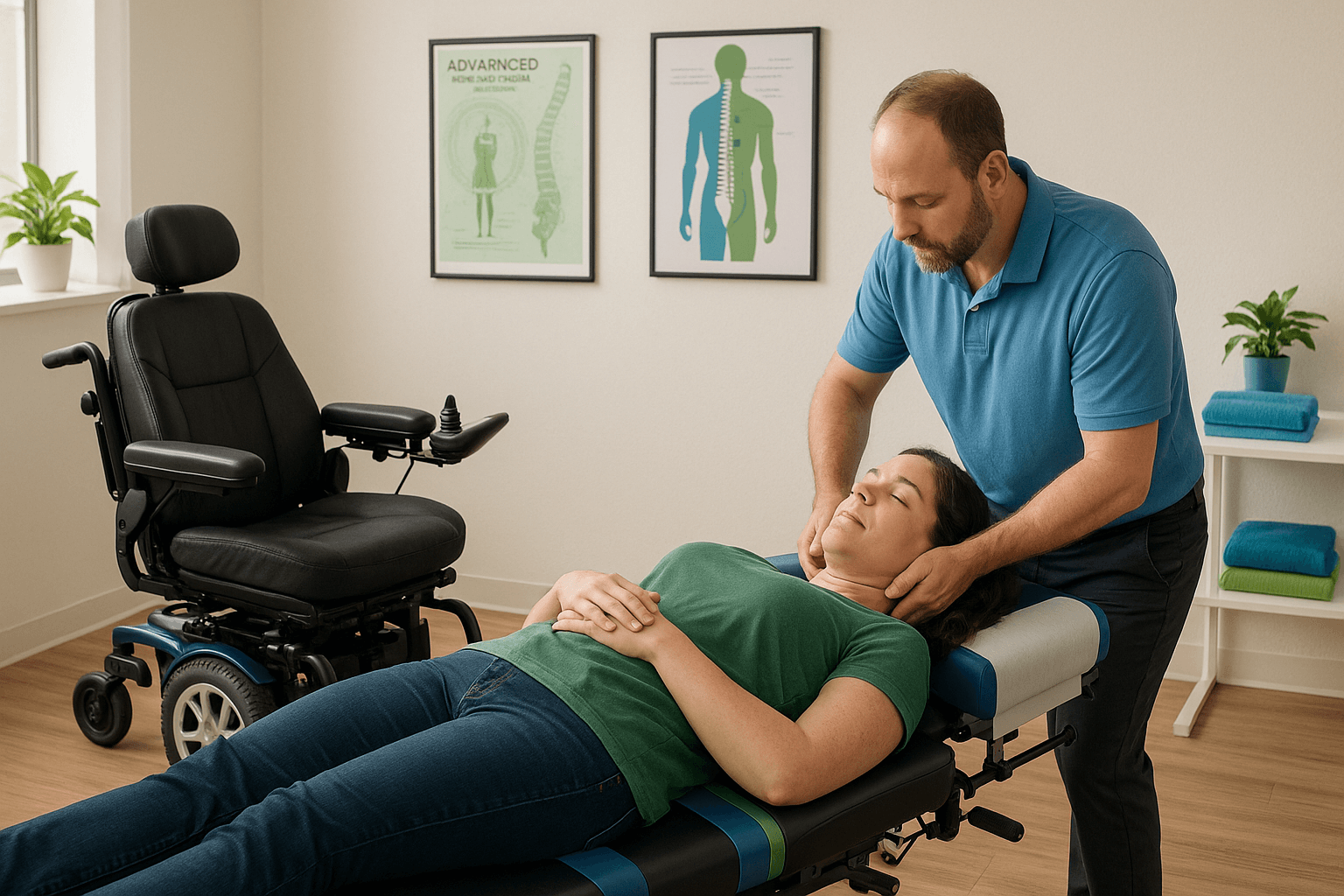
Many people struggling with chronic sinus issues, breathing difficulties, or persistent posture problems often try multiple treatments without lasting results. Medications, physiotherapy, and temporary adjustments may offer short-term relief, but the underlying issue often remains unresolved. This is where interest in cranial facial release results has grown, particularly among those seeking a more structural and long-term solution.
Cranial Facial Release (CFR), also known as endonasal cranial correction, is designed to address structural imbalances in the skull and nasal passages. Unlike treatments that focus only on symptoms, CFR aims to improve airflow, sinus drainage, and overall cranial alignment. This structural approach is what makes it stand out from conventional therapies.
At Upright Body Renewal, CFR is often integrated with Advanced BioStructural Correction to ensure that changes in the cranial structure align with the rest of the body. This combination focuses on correcting the root cause rather than managing symptoms temporarily.
Jump To:
TLDR Quick Guide
- Cranial Facial Release targets structural issues affecting breathing and sinuses.
- Many patients report improved airflow and reduced sinus pressure.
- Results often include better posture and reduced tension.
- CFR works best when combined with structural correction methods.
- It focuses on long-term improvement, not temporary relief.
What Is Cranial Facial Release and How Does It Work?
Understanding the Structural Approach
Cranial Facial Release is a technique that involves gentle expansion of the nasal passages and cranial structures. This is typically achieved through a controlled process that encourages proper alignment and improved airflow.
The goal is not just to open the nasal passages temporarily but to influence the structural positioning of the skull. When cranial bones are misaligned, they can restrict breathing and contribute to sinus congestion.
By addressing these structural limitations, CFR aims to create lasting changes rather than short-term relief.
Why Traditional Treatments Often Fall Short
Many conventional treatments for sinus or breathing issues focus on managing inflammation or clearing congestion. While these approaches can provide temporary relief, they do not address the structural causes behind the problem.
For example, medications may reduce swelling, but they do not change the physical alignment of the nasal passages. This is why symptoms often return once treatment stops.
CFR takes a different approach by targeting the structural foundation of the issue.
Cranial Facial Release Results for Sinus Relief
Improved Sinus Drainage
One of the most commonly reported outcomes of CFR is improved sinus drainage. When nasal passages are restricted, mucus buildup can lead to pressure, congestion, and discomfort.
By expanding these passages, CFR allows for better airflow and drainage. This can reduce the frequency and severity of sinus-related symptoms.
Patients often notice a reduction in sinus pressure and improved breathing shortly after treatment.
Reduced Dependence on Medication
As sinus function improves, many individuals find that they rely less on medications such as decongestants or nasal sprays. This is because the underlying structural issue has been addressed.
Instead of managing symptoms repeatedly, the body is able to function more naturally. This shift can lead to long-term improvements in overall sinus health.
Reducing dependency on medication is a key benefit for many patients.
How CFR Affects Breathing and Oxygen Intake
Expanding Airway Capacity
Restricted nasal passages can limit oxygen intake, affecting energy levels and overall well-being. CFR helps expand the airway, allowing for more efficient breathing.
Improved airflow can enhance oxygen delivery throughout the body, which supports better physical and mental performance.
This is particularly beneficial for individuals who experience chronic nasal obstruction or difficulty breathing through the nose.
Supporting Better Sleep Quality
Breathing issues often impact sleep quality. Conditions such as snoring or disrupted breathing patterns can lead to poor rest and fatigue.
By improving airway function, CFR can contribute to more consistent and restful sleep. Better breathing during sleep supports overall recovery and daily performance.
Improved sleep is often an indirect but valuable outcome of the treatment.
The Connection Between Cranial Alignment and Posture
How the Skull Influences Body Alignment
The position of the skull plays a significant role in overall posture. Misalignment in the cranial structure can affect how the spine and body compensate.
When the head is not properly aligned, it can create tension in the neck and shoulders, leading to poor posture over time. This can contribute to chronic discomfort and imbalance.
Correcting cranial alignment can help restore a more natural posture.
Integrating CFR with Posture Correction
For lasting results, cranial adjustments must align with the rest of the body. This is why CFR is often combined with posture correction techniques.
Addressing the entire structure ensures that improvements are stable and sustainable. Without this integration, the body may revert to previous patterns.
This holistic approach helps maintain long-term alignment and function.
Is Cranial Facial Release Right for You?
Who Benefits Most from CFR
CFR is particularly beneficial for individuals experiencing chronic sinus issues, breathing difficulties, or posture-related discomfort. It is also suitable for those who have not found lasting relief through traditional treatments.
People dealing with headaches, neck tension, or structural imbalances may also benefit from this approach. For example, individuals seeking headache & migraine relief often explore structural solutions like CFR.
Understanding your specific condition helps determine if this treatment is appropriate.
What to Expect from Treatment
CFR is typically performed in a controlled clinical setting by trained professionals. The process is designed to be precise and targeted, focusing on structural correction.
Patients may experience immediate changes in breathing or sinus pressure, though results can vary depending on individual conditions.
A comprehensive assessment ensures that the treatment plan is tailored to your needs.
Key Takeaways
- Cranial facial release results focus on structural improvements rather than temporary symptom relief.
- CFR can improve sinus drainage, breathing, and airway function.
- Structural alignment of the skull influences posture and overall body balance.
- Combining CFR with posture correction enhances long-term outcomes.
- This approach is ideal for individuals seeking root-cause solutions.
FAQs
What are cranial facial release results?
Cranial facial release results typically include improved breathing, reduced sinus pressure, and better airflow. Some patients also notice improvements in posture and reduced tension. Results vary depending on individual conditions and consistency of treatment.
Is cranial facial release safe?
When performed by trained professionals, CFR is considered a controlled and precise technique. It is designed to target structural issues safely. A proper assessment ensures that the treatment is suitable for the patient.
How quickly can results be seen?
Some patients report immediate improvements in breathing and sinus relief. However, long-term results may require multiple sessions. The timeline depends on the severity of the structural imbalance.
Can CFR help with posture problems?
Yes, cranial alignment plays a role in overall posture. Correcting structural issues in the skull can influence spinal alignment. Combining CFR with posture-focused treatments enhances results.
Is CFR better than traditional treatments?
CFR offers a different approach by targeting structural causes rather than symptoms. Traditional treatments often provide temporary relief without addressing underlying issues. Many patients choose CFR for its potential long-term benefits.