If you’ve noticed yourself leaning to one side when standing or walking, it’s not something to ignore. While it may seem minor at first, this type of imbalance is often a sign that your body’s structure is no longer aligned properly.
Many people assume it’s just a habit or temporary issue. In reality, leaning to one side usually points to deeper postural imbalances that affect how your spine, hips, and muscles work together.
Left unaddressed, this imbalance can lead to discomfort, uneven wear on joints, and long-term issues that become harder to correct over time.
Jump To:
- TLDR Quick Guide
- What Does Leaning to One Side Actually Mean?
- Common Causes of Leaning to One Side
- Why Stretching and Temporary Fixes Don’t Work
- How Posture Affects Balance and Movement
- The Role of Structural Correction
- When You Should Take It Seriously
- Why Upright Posture Focuses on Structural Solutions
- Key Takeaways
- FAQs
TLDR Quick Guide
Why You’re Leaning to One Side
- Structural imbalance in the spine or pelvis
- Uneven muscle tension and compensation
- Postural habits built over time
- Possible scoliosis or spinal curvature
- Requires structural correction—not just stretching
Your body isn’t “just doing this”—it’s compensating for something deeper.
What Does Leaning to One Side Actually Mean?
It’s a Sign of Imbalance, Not Just a Habit
Leaning to one side is rarely random. It usually means your body has shifted its center of gravity to compensate for uneven structure or tension.
This can involve:
- a tilted pelvis
- uneven shoulders
- spinal misalignment
Your body is trying to stay balanced—but doing it inefficiently.
Why Your Body Adapts This Way
When one side of your body becomes tighter, weaker, or structurally different, your system adapts to maintain stability. Over time, this becomes your “normal” posture.
The problem is:
- compensation replaces proper alignment
- imbalance becomes reinforced
- movement patterns become inefficient
This leads to more issues over time.
Common Causes of Leaning to One Side
Pelvic Tilt and Structural Imbalance
One of the most common causes is a tilted pelvis. When one side of your pelvis sits higher or rotates differently, your entire upper body shifts to compensate.
This can create:
- uneven weight distribution
- hip discomfort
- lower back strain
The lean is a direct result of this imbalance.
Spinal Curvature or Scoliosis
In some cases, leaning to one side is linked to spinal curvature. Conditions like scoliosis can cause the spine to bend laterally, pulling the body out of alignment.
If this is the case, targeted approaches like scoliosis treatment may be necessary.
This type of issue requires more than basic exercises.
Why Stretching and Temporary Fixes Don’t Work
The Problem Isn’t Just Muscle Tightness
Many people try to fix leaning by stretching or strengthening one side. While this may provide temporary relief, it doesn’t address the underlying structural imbalance.
The real issue is:
- how the body is positioned
- how weight is distributed
- how the spine and pelvis are aligned
Without correcting structure, the lean will return.
Compensation Patterns Stay in Place
Even if you temporarily feel more balanced, your body will revert back to its привычный pattern unless the root cause is corrected.
This is why:
- symptoms come back
- imbalance persists
- frustration builds
True correction requires a deeper approach.
How Posture Affects Balance and Movement
Walking Patterns Become Uneven
When you lean to one side, your walking mechanics change. One leg may carry more weight, while the other compensates.
This leads to:
- uneven stride length
- increased fatigue
- higher risk of injury
Over time, this affects overall mobility.
Long-Term Impact on Joints and Muscles
Leaning creates uneven pressure on joints, especially in the hips, knees, and spine. This imbalance accelerates wear and can lead to chronic discomfort.
You may notice:
- one-sided pain
- stiffness in specific areas
- reduced range of motion
These are all signs of structural imbalance.
The Role of Structural Correction
Addressing the Root Cause
To truly fix leaning to one side, the focus must be on correcting the body’s structure—not just managing symptoms.
Approaches like posture correction aim to realign the body so it can function properly again.
This restores balance naturally.
Rather than forcing it.
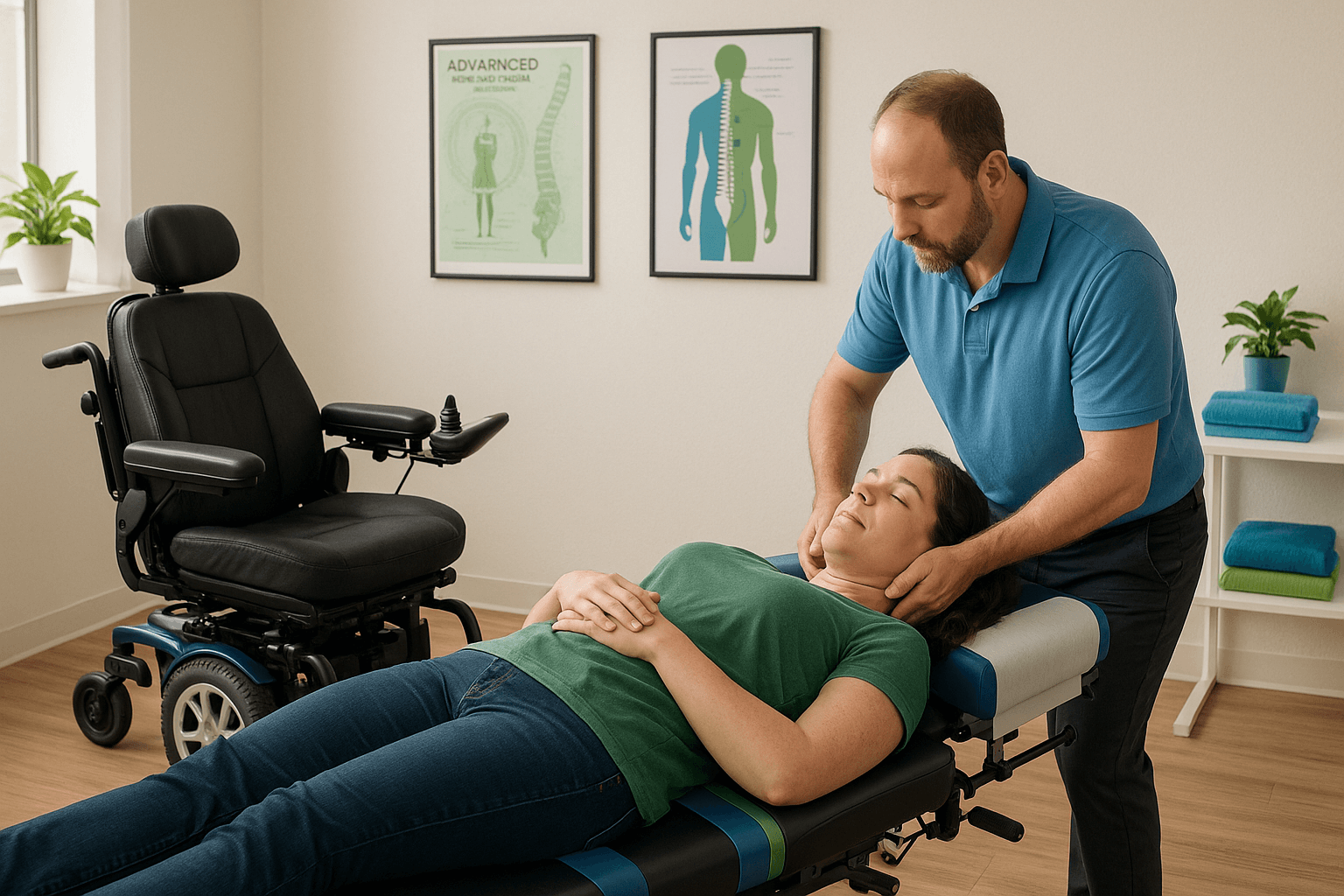
Advanced Biostructural Correction
More advanced systems, such as Advanced Biostructural Correction, focus on restoring the body’s original alignment.
This method:
- targets structural shifts
- reduces compensation patterns
- improves long-term posture
It’s about correcting the foundation.
Not just the surface symptoms.
When You Should Take It Seriously
Early Signs to Watch For
Leaning to one side may start subtly but becomes more noticeable over time. Early signs include:
- uneven shoulders in the mirror
- feeling off-balance when standing
- favoring one leg when resting
Catching it early makes correction easier.
When It Starts Affecting Daily Life
If leaning begins to impact:
- walking comfort
- physical activity
- posture awareness
It’s time to address it directly.
Ignoring it allows the imbalance to worsen.
Why Upright Posture Focuses on Structural Solutions
Clinics like Upright Posture focus on identifying and correcting the underlying structural issues causing imbalance.
Instead of temporary fixes, the goal is:
- long-term alignment
- improved function
- reduced recurring problems
This approach delivers more lasting results.
Because it treats the cause—not just the symptoms.
Key Takeaways
- Leaning to one side is usually caused by structural imbalance
- It often involves the pelvis, spine, or posture patterns
- Stretching alone won’t fix the root problem
- Long-term imbalance can lead to pain and movement issues
- Structural correction is the most effective way to restore alignment
FAQs
Why do I naturally lean to one side when standing?
This is usually due to uneven posture or structural imbalance. Your body shifts weight to compensate for misalignment. Over time, this becomes your default position.
Can leaning to one side cause pain?
Yes, it can lead to uneven stress on joints and muscles. This often results in one-sided discomfort or stiffness. Addressing the imbalance can help reduce these symptoms.
Can exercise fix leaning posture?
Exercise alone may help temporarily but usually doesn’t fix structural issues. Without correcting alignment, the problem often returns. A targeted approach is more effective.
How do I know if my posture needs correction?
If you notice uneven shoulders, hips, or balance issues, it’s worth evaluating. Persistent leaning or discomfort are strong indicators. Professional assessment can identify the root cause.