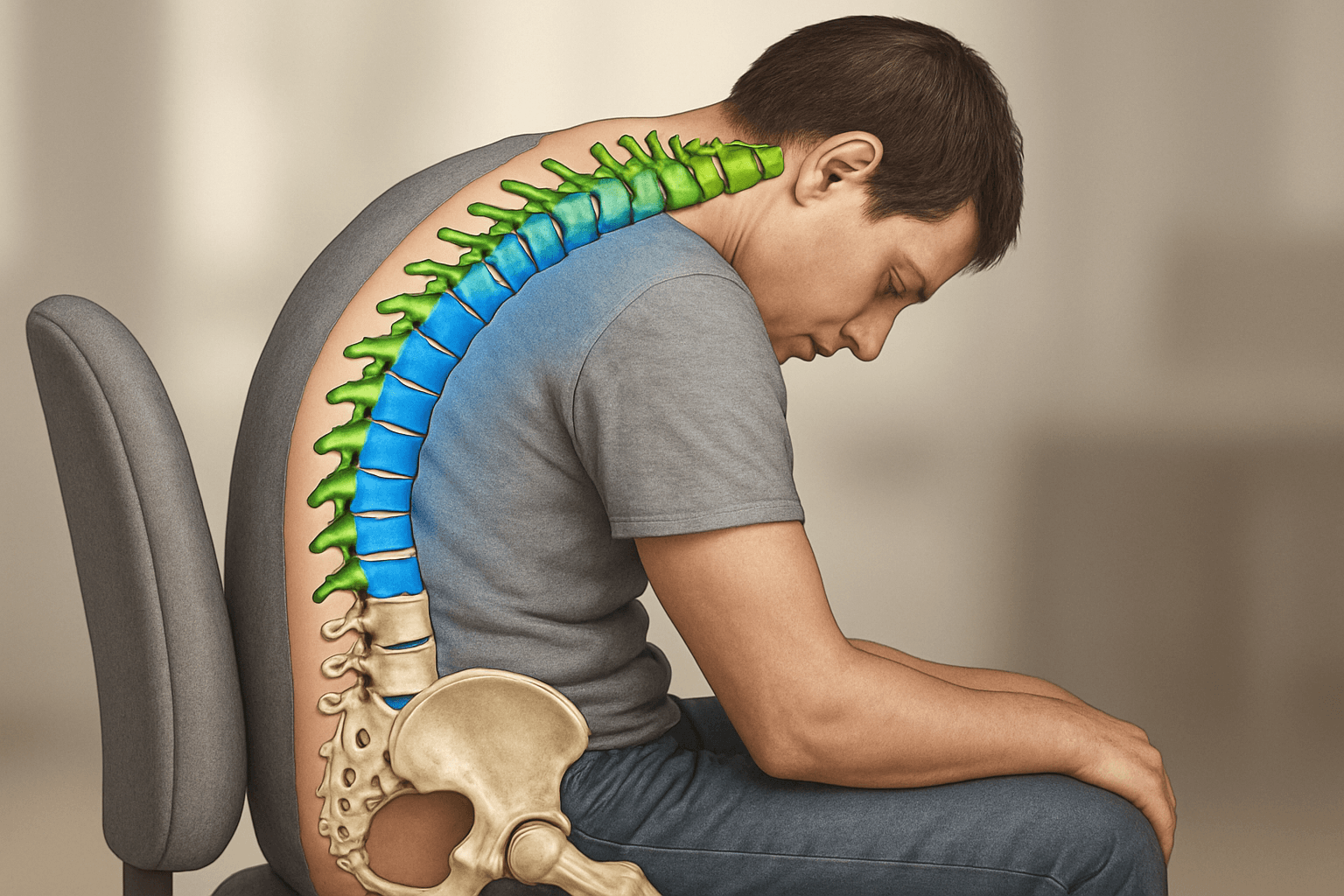
Have you ever looked in the mirror and noticed that one shoulder sits noticeably higher than the other? While many people assume this is simply a cosmetic issue, uneven shoulder height can be a sign that the body is compensating for deeper structural imbalances. In some cases, the difference may be subtle, while in others it can contribute to discomfort, restricted movement, poor posture, and even chronic pain.
The condition known as one shoulder higher than the other is surprisingly common. It affects people of all ages and activity levels, from office workers spending long hours at a desk to athletes who repeatedly use one side of their body more than the other. Although muscle tightness and lifestyle habits can contribute to shoulder asymmetry, the root cause often involves changes in the body’s structural alignment.
Understanding why one shoulder sits higher than the other is the first step toward finding an effective solution. Rather than masking symptoms through temporary fixes, identifying and addressing the underlying cause may help restore better balance, posture, and overall function.
Jump To:
TLDR Quick Guide
- One shoulder higher than the other is often caused by postural or structural imbalances.
- Poor posture, spinal misalignment, muscle compensation, and previous injuries can contribute.
- Uneven shoulders may lead to neck pain, shoulder discomfort, headaches, and reduced mobility.
- Stretching alone may provide temporary relief but may not address the root cause.
- Structural correction approaches such as Advanced BioStructural Correction focus on improving whole-body alignment.
What Causes One Shoulder to Be Higher Than the Other?
Uneven shoulder height rarely occurs without a reason. The body functions as an interconnected system, meaning a shift in one area can influence alignment throughout the entire structure. When the spine, pelvis, or ribcage become misaligned, the shoulders often compensate to maintain balance.
In many cases, one shoulder rises higher because the body is adapting to long-term postural stress. Sitting for prolonged periods, carrying bags on one side, repetitive work activities, and previous injuries can all create asymmetrical patterns that gradually affect shoulder position.
While muscular tension may contribute to the appearance of uneven shoulders, muscles are often responding to an existing structural imbalance rather than creating the problem themselves.
Postural Habits and Daily Activities
Modern lifestyles place significant demands on posture. Looking down at phones, working at computers, driving long distances, and sitting for extended periods can gradually pull the body out of alignment.
Over time, these habits may create uneven loading patterns across the spine and shoulders. One side of the body begins compensating for the other, resulting in visible differences in shoulder height.
Many people experiencing one shoulder higher than the other also notice worsening posture over time. Improving overall posture correction may help address some of the underlying mechanical stress contributing to shoulder imbalance.
Structural Imbalances Within the Body
The shoulders do not exist independently from the rest of the body. Changes in spinal alignment, pelvic position, or ribcage mechanics can alter shoulder positioning significantly.
When the body’s center of gravity shifts, muscles and joints throughout the body must compensate. These compensations often manifest as uneven shoulders, forward head posture, or asymmetrical movement patterns.
Because structural changes can develop gradually over many years, many people are unaware that their shoulder imbalance is connected to broader postural issues.
Common Symptoms Associated with Uneven Shoulders
Although some individuals experience no symptoms initially, uneven shoulder height often contributes to a variety of physical complaints over time.
The body functions most efficiently when it is balanced. When one shoulder remains elevated, additional strain may be placed on muscles, ligaments, and joints that were not designed to carry uneven loads.
This can create a chain reaction affecting multiple areas of the body.
Neck and Shoulder Discomfort
One of the most common complaints associated with uneven shoulders is persistent tension in the neck and upper back.
When one shoulder remains elevated, surrounding muscles must work harder to stabilize the area. This increased workload can lead to tightness, fatigue, and recurring discomfort.
Many individuals experiencing shoulder imbalance also report symptoms similar to those discussed in conditions involving shoulder pain, stiffness, and weakness.
Headaches and Reduced Mobility
Uneven shoulder positioning may also contribute to headaches and restricted movement.
As muscular tension accumulates around the neck and upper spine, stress can radiate upward toward the head. Individuals may notice difficulty turning their head, reaching overhead, or performing everyday activities comfortably.
These symptoms often worsen when the underlying cause remains unaddressed.
Can One Shoulder Higher Than the Other Be Corrected Naturally?
In many cases, yes—but the answer depends on the underlying cause.
If shoulder asymmetry is related primarily to muscular tension or postural habits, corrective exercises, movement changes, and improved ergonomics may help improve alignment. However, when structural imbalances are present, a more comprehensive approach may be necessary.
Natural correction focuses on helping the body return to a more balanced position rather than forcing temporary changes through constant stretching or conscious posture adjustments.
Why Stretching Alone May Not Be Enough
Many people attempt to fix uneven shoulders by stretching tight muscles. While stretching can provide short-term relief, it may not resolve the root issue if the body is compensating for structural changes elsewhere.
The elevated shoulder often represents an adaptation rather than the primary problem. Unless the reason for the compensation is addressed, symptoms frequently return.
This is why some individuals experience only temporary improvements despite consistent stretching and exercise programs.
Addressing Structural Alignment
A more effective long-term strategy may involve evaluating how the entire body is positioned and functioning.
Approaches that focus on restoring structural balance aim to reduce the compensations contributing to uneven shoulder height. For some individuals, this may include examining spinal alignment, pelvic positioning, and overall posture.
Research into structural correction and postural rehabilitation has shown promising results for individuals experiencing posture-related issues, including cases involving abnormal spinal and head positioning such as those discussed in this article on how chiropractic care helped correct forward head posture.
When Should You Seek Professional Assessment?
Although mild shoulder asymmetry is common, significant differences in shoulder height should not be ignored—especially when accompanied by pain, stiffness, weakness, headaches, or restricted movement.
A professional assessment can help determine whether the issue is primarily muscular, postural, or structural in nature. Identifying the underlying cause allows for a more targeted and effective correction strategy.
The sooner structural imbalances are addressed, the easier it may be to prevent long-term compensatory patterns from becoming deeply ingrained.
Signs You Should Not Ignore
Certain symptoms may indicate that a more comprehensive evaluation is needed:
- Persistent neck or shoulder pain
- Limited range of motion
- Recurring headaches
- Visible posture changes
- Uneven wear patterns in footwear
- Chronic fatigue or muscle tension
These signs often suggest that the body is compensating for deeper biomechanical imbalances.
Key Takeaways
- One shoulder higher than the other is often linked to postural or structural imbalances.
- Daily habits and compensatory movement patterns can gradually influence shoulder position.
- Uneven shoulders may contribute to neck pain, headaches, stiffness, and restricted mobility.
- Stretching alone may not resolve the root cause of shoulder asymmetry.
- Addressing whole-body alignment may provide a more effective path toward long-term improvement.
FAQs
Is it normal to have one shoulder higher than the other?
Mild asymmetry is relatively common and may not cause any problems. However, significant differences in shoulder height often indicate underlying postural or structural imbalances. If symptoms are present, professional assessment may be beneficial.
Can poor posture cause one shoulder to be higher than the other?
Yes, poor posture can contribute to uneven shoulder positioning over time. Repetitive habits such as slouching, leaning, or prolonged sitting may create compensatory patterns. These changes can gradually affect shoulder alignment.
Can exercises fix uneven shoulders?
Exercises may help improve muscle balance and movement patterns. However, their effectiveness depends on the underlying cause of the asymmetry. Structural issues may require a more comprehensive corrective approach.
Can one shoulder higher than the other cause pain?
Yes, uneven shoulders can place additional stress on muscles and joints. This may contribute to neck pain, shoulder discomfort, headaches, and reduced mobility. Symptoms often develop gradually over time.
How long does it take to correct uneven shoulders naturally?
The timeline varies depending on the severity and cause of the imbalance. Some individuals notice improvements within weeks, while others require longer-term corrective strategies. Consistency and addressing the root cause are important factors in achieving lasting results.