Headaches can feel surprisingly similar even when they have different underlying causes. Pain around the forehead, temple, back of the head, or behind the eye may occur with several headache disorders, making self-diagnosis difficult based on pain location alone.
One particularly confusing comparison is migraine vs cervicogenic headache. Migraine is a neurological headache disorder that can involve head pain alongside symptoms such as nausea and sensitivity to light or sound. A cervicogenic headache is secondary headache pain associated with a problem involving structures in the cervical spine or neck.
The distinction matters because an approach that helps one type of headache may not address another. Neck discomfort also does not automatically mean a headache is cervicogenic, since people experiencing migraine can have neck pain or stiffness as part of an attack.
Understanding the typical patterns can help you describe your symptoms more clearly to a healthcare professional. However, recurring, severe, changing, or unexplained headaches deserve appropriate clinical assessment rather than relying on symptoms alone to determine the cause.
Jump To:
- TLDR Quick Guide
- What Is a Migraine?
- What Is a Cervicogenic Headache?
- Migraine vs Cervicogenic Headache: The Main Differences
- Where Does Migraine Pain Usually Occur?
- Where Does Cervicogenic Headache Usually Hurt?
- Can Migraine Cause Neck Pain?
- What Does Migraine Aura Feel Like?
- Does Cervicogenic Headache Cause Aura?
- Nausea and Sensitivity to Light or Sound
- How Neck Movement Can Help Distinguish the Two
- Can Poor Posture Cause Headaches?
- What Can Trigger Migraine?
- What Can Aggravate a Cervicogenic Headache?
- How Are Migraine and Cervicogenic Headache Diagnosed?
- When Should You Seek Urgent Medical Care for a Headache?
- How Is Migraine Treated?
- How Is Cervicogenic Headache Managed?
- Can You Have Migraine and Cervicogenic Headache Together?
- Migraine vs Cervicogenic Headache: Questions to Ask Yourself
- Why Accurate Assessment Matters
- Key Takeaways
- FAQs
TLDR Quick Guide
- Migraine is a neurological disorder, while cervicogenic headache is a secondary headache attributed to a disorder involving the neck.
- Migraine commonly causes moderate to severe head pain and may be accompanied by nausea or sensitivity to light and sound.
- Some people experience visual, sensory, speech, or other neurological aura symptoms with migraine, but many do not.
- Cervicogenic headaches are commonly associated with neck pain, restricted cervical movement, or symptoms provoked by certain neck movements or positions.
- Cervicogenic pain is often one-sided without regularly switching sides, although individual presentations vary.
- Pain may travel from the neck or back of the head towards the front of the head in cervicogenic headache.
- Neck stiffness alone cannot reliably distinguish the two because migraine can also involve neck symptoms.
- Migraine attacks may be influenced by factors such as sleep disruption, stress, hormonal changes, missed meals, alcohol, or other individual triggers.
- Headache after prolonged desk work does not automatically prove that posture is the cause.
- A clinician may assess headache history, neurological symptoms, neck movement, musculoskeletal findings, and other possible causes.
- Sudden severe headaches or headaches accompanied by certain neurological or systemic warning signs require urgent medical assessment.
- Treatment depends on the diagnosis and may involve medication, lifestyle management, physical rehabilitation, or other appropriate care.
- Persistent headaches should not be assumed to originate from the neck without assessment.
What Is a Migraine?
More Than Just a Severe Headache
Migraine is a neurological condition rather than simply another name for a particularly painful headache.
An attack may cause moderate to severe pain that is frequently described as throbbing or pulsating. Migraine pain can occur on one side of the head, although it can also affect both sides.
Physical activity may aggravate symptoms for some people. Attacks can also interfere significantly with work, exercise, sleep, concentration, and ordinary daily activities.
The headache itself is only one part of the condition.
Other Symptoms Can Accompany the Pain
Migraine commonly occurs with additional symptoms such as nausea, vomiting, sensitivity to light, or sensitivity to sound.
Some people also experience sensitivity to smells.
A quiet, dark environment may feel more comfortable during an attack because normal sensory input can become difficult to tolerate.
Not everyone experiences the same combination of symptoms, however. Migraine can present differently between individuals and even between attacks in the same person.
What Is a Cervicogenic Headache?
Head Pain Associated With the Neck
A cervicogenic headache is classified as a secondary headache. In other words, the head pain is attributed to another disorder—in this case, one involving structures within the cervical region.
This helps explain why someone can experience significant head pain even though the relevant problem may involve the neck.
Pain can be perceived in areas away from its underlying source because nerves from the upper cervical region and structures involved in head sensation have interconnected pathways.
The result can be pain experienced around the back, side, or front of the head.
Neck Findings Become Particularly Important
Compared with migraine, cervicogenic headache typically has a clearer relationship with the neck.
A person may have restricted cervical range of motion, neck discomfort, or headache symptoms aggravated by certain neck movements or sustained positions.
However, these features cannot independently confirm a diagnosis.
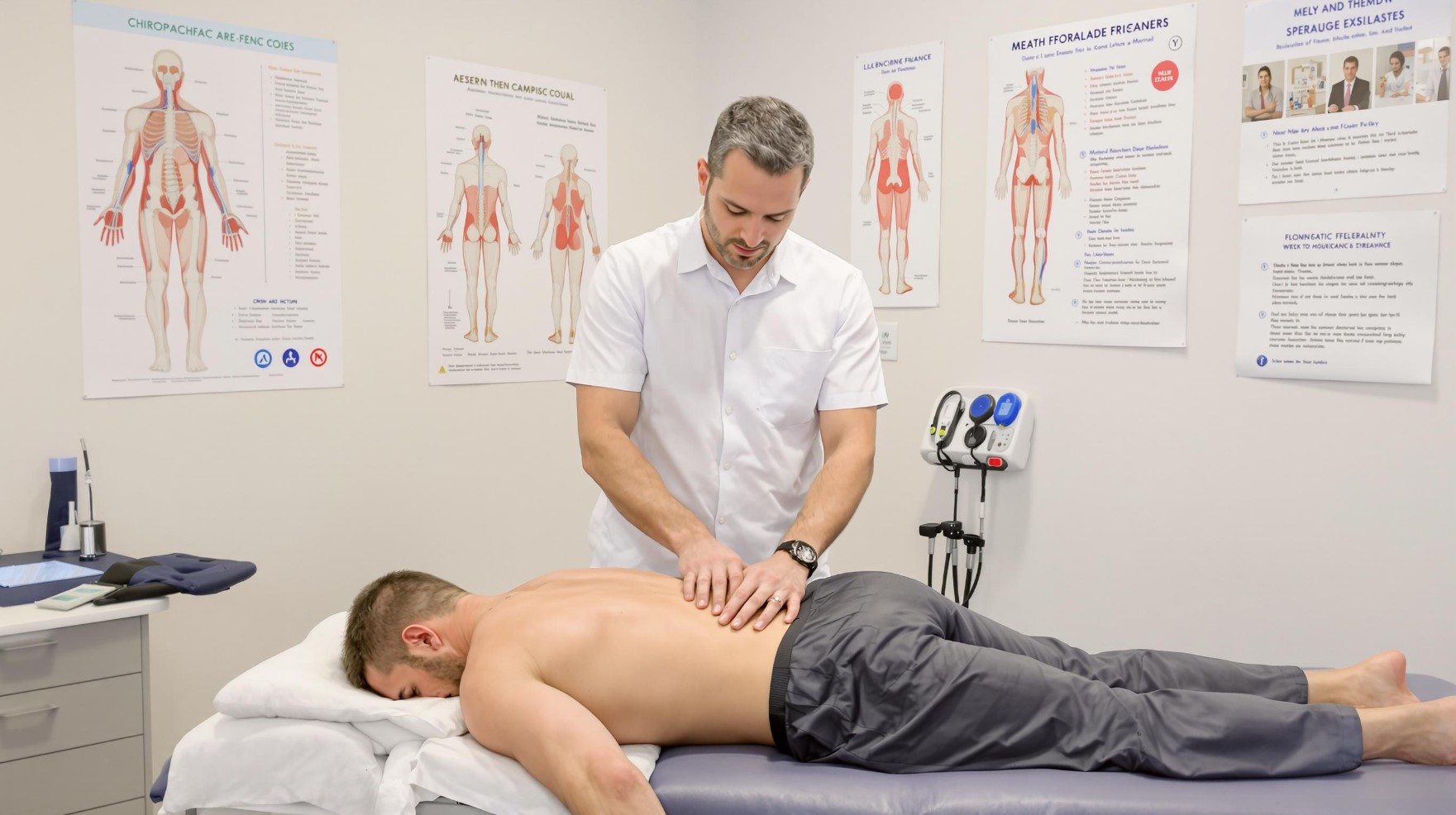
If neck symptoms are a prominent part of the problem, an appropriate assessment may include evaluation of cervical movement and function. Upright Posture provides information about its approach to neck pain relief for people exploring musculoskeletal assessment and care.
Migraine vs Cervicogenic Headache: The Main Differences
The Underlying Classification Is Different
The most important distinction is not simply where the head hurts.
Migraine is considered a primary neurological headache disorder. Cervicogenic headache is a secondary headache attributed to a cervical disorder or lesion capable of causing headache.
That difference affects assessment and management.
With migraine, clinicians look for characteristic headache patterns and associated neurological symptoms while excluding concerning alternatives when appropriate. With suspected cervicogenic headache, establishing evidence that the neck is actually related to the headache becomes particularly important.
Symptoms Can Still Overlap
Real-world headache symptoms do not always fit neatly into separate categories.
A person with migraine may report neck pain.
A person with cervicogenic headache may experience substantial head pain.
Some people may also experience more than one type of headache, further complicating the picture.
For that reason, comparing one isolated symptom rarely provides enough information.
Where Does Migraine Pain Usually Occur?
One-Sided Pain Is Common but Not Required
Migraine is frequently associated with pain on one side of the head.
However, bilateral pain does not rule it out.
The pain may be felt around the temple, forehead, eye, or other areas of the head, and its location may vary between attacks.
The quality of pain can also vary. While pulsating pain is characteristic, not everyone describes every migraine in exactly the same way.
Pain Location Alone Can Mislead You
A headache behind one eye is not automatically migraine.
Similarly, pain beginning near the base of the skull is not automatically cervicogenic.
Headache diagnosis involves patterns rather than a single anatomical location.
Associated symptoms, duration, frequency, aggravating factors, medical history, and examination findings can all provide important context.
Where Does Cervicogenic Headache Usually Hurt?
Pain May Begin Around the Neck or Back of the Head
Cervicogenic headache may be experienced as pain beginning around the neck or occipital region before extending towards other areas of the head.
Some people experience pain towards the temple, forehead, or around the eye.
The headache is often unilateral and may remain on the same side.
This pattern can provide a useful clue, but it still does not prove that the cervical spine is responsible.
Neck Movement Can Provide Additional Information
Symptoms that consistently worsen with particular neck movements or sustained positions may increase suspicion of a cervical contribution.
For example, someone may notice that rotating the head in one direction repeatedly aggravates symptoms.
Reduced neck movement may also be present.
These findings become more meaningful when they occur consistently alongside other clinical evidence rather than appearing as an isolated episode of stiffness.
Can Migraine Cause Neck Pain?
Yes, Neck Symptoms Can Occur With Migraine
This is one of the biggest reasons people confuse migraine vs cervicogenic headache.
Neck pain or stiffness can occur before or during migraine attacks.
Therefore, the statement “my neck hurts when I have a headache” is not enough to conclude that the neck is causing the headache.
The timing and overall symptom pattern matter.
Cause and Association Are Not the Same
It is tempting to assume that because neck pain appears first, it must have triggered everything that followed.
Biological symptoms do not always follow such a simple chain.
Neck discomfort may sometimes be part of the migraine process rather than an independent mechanical cause.
A thorough history can help establish whether neck symptoms consistently behave like a musculoskeletal problem or occur mainly as part of a broader migraine pattern.
What Does Migraine Aura Feel Like?
Aura Does Not Occur With Every Migraine
Some people experience migraine with aura, while many experience migraine without it.
Aura can include temporary visual disturbances such as flashing lights, zigzag patterns, blind spots, or other changes in vision.
Some people experience sensory symptoms such as tingling or numbness.
Speech or language disturbances can also occur.
New Neurological Symptoms Need Appropriate Assessment
People should not automatically assume that a new visual, sensory, speech, or neurological symptom is “just migraine.”
Several urgent medical conditions can produce neurological symptoms.
This is particularly important when symptoms are new, substantially different from previous attacks, unusually prolonged, or accompanied by weakness, confusion, loss of consciousness, or other concerning changes.
Seek appropriate medical care rather than trying to distinguish serious neurological conditions at home.
Does Cervicogenic Headache Cause Aura?
Aura Is More Characteristic of Migraine
Typical migraine aura is not a defining feature of cervicogenic headache.
A prominent pattern of recurring visual or sensory aura therefore makes migraine particularly relevant to the diagnostic discussion.
However, symptoms should still be evaluated in context.
A person can have cervical problems and migraine at the same time, so finding neck dysfunction does not necessarily explain every headache symptom.
Avoid Forcing Every Symptom Into One Diagnosis
People naturally prefer a single explanation.
Sometimes there is one.
Other times, a patient may have migraine alongside neck pain from prolonged desk work, an old injury, arthritis, muscular loading, or another musculoskeletal problem.
Treatment can be more effective when each relevant problem is identified rather than assuming every symptom has one origin.
Nausea and Sensitivity to Light or Sound
These Symptoms Point More Strongly Towards Migraine
Nausea and pronounced sensitivity to light or sound are classic features associated with migraine.
Someone may need to stop normal activity and rest somewhere quiet or dark.
Movement may also make symptoms feel worse.
The combination of headache plus several of these associated symptoms provides more useful diagnostic information than headache intensity alone.
Cervicogenic Headaches Can Still Be Painful
Cervicogenic headache should not be interpreted as merely “mild neck pain.”
Symptoms can significantly affect concentration, movement, work, driving, exercise, and sleep.
Severity by itself does not reliably distinguish the two conditions.
A very painful headache is not automatically migraine, just as a relatively moderate headache does not exclude it.
How Neck Movement Can Help Distinguish the Two
Cervical Movement Is More Relevant to Cervicogenic Headache
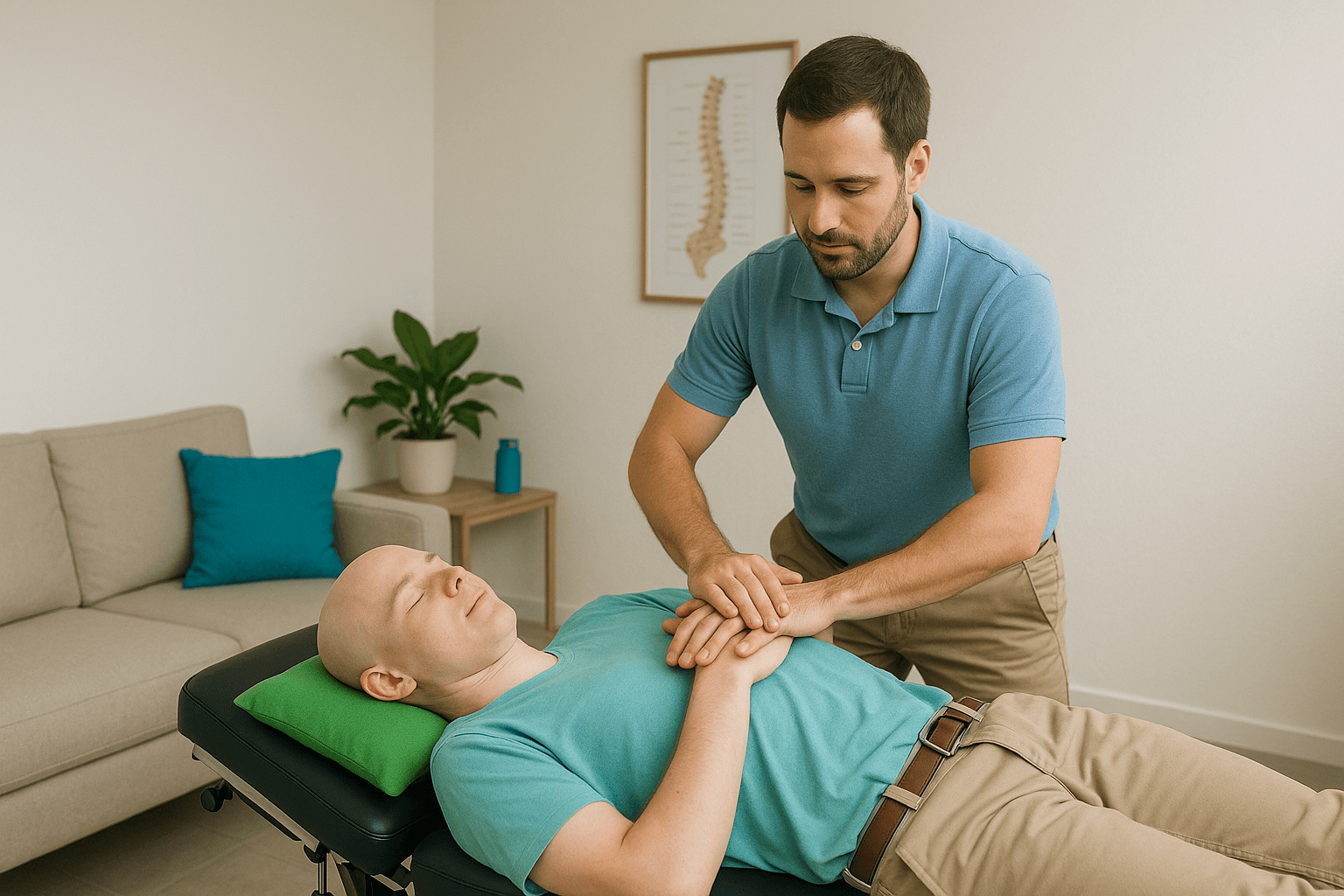
A clinician assessing suspected cervicogenic headache may look at whether cervical movement is restricted and whether particular movements consistently reproduce or aggravate the familiar headache.
They may also consider previous neck injury and other musculoskeletal findings.
These observations help investigate whether there is a plausible relationship between the cervical region and headache.
They should be interpreted alongside the complete clinical history.
Migraine Is Not Primarily Defined by Neck Mechanics
Someone experiencing migraine may prefer to remain still because physical activity can worsen symptoms.
That is different from demonstrating that a specific cervical movement or position reliably provokes the familiar headache.
The distinction can be subtle.
This is one reason professional assessment can be useful when symptoms repeatedly involve both the head and neck.
Can Poor Posture Cause Headaches?
The Relationship Is More Complicated Than It Sounds
People frequently blame headaches on “bad posture,” particularly after long periods using computers or phones.
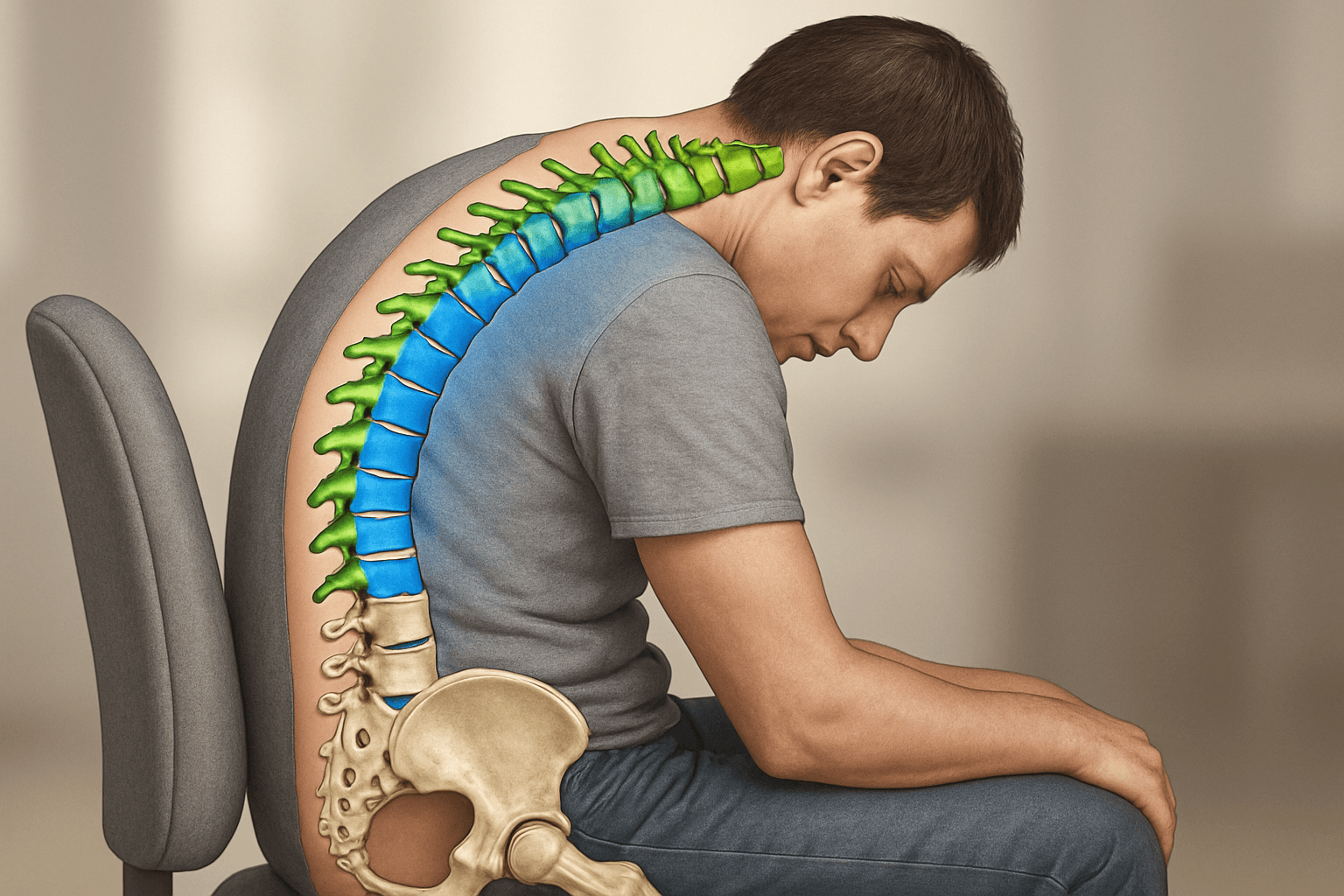
Sustained positions, limited movement, muscular fatigue, stress, visual demands, and workplace setup can coincide with neck discomfort and headaches.
However, observing that someone has forward-head posture does not prove that posture caused their headache.
Human posture varies considerably, and headaches have many potential causes.
Look for Patterns Instead of a Perfect Posture
A more useful question is whether certain activities or sustained positions reliably coincide with symptoms.
For example, does the headache repeatedly appear after long periods at a particular workstation? Does changing position, taking movement breaks, or adjusting workload influence symptoms?
These observations can provide useful information without assuming there is one universally correct posture.
Upright Posture discusses the potential relationship between recurring headaches and posture for people who want to understand these patterns in greater detail.
What Can Trigger Migraine?
Triggers Differ Between People
Migraine triggers are highly individual.
Potential influences may include disrupted sleep, stress, changes in routine, skipped meals, dehydration, alcohol, hormonal changes, sensory stimulation, or other personal factors.
Not everyone reacts to the same things.
Some apparent “triggers” may also be early features of an attack rather than true causes, which can make patterns difficult to interpret.
A Headache Diary Can Be Useful
Keeping a simple headache diary may help identify recurring patterns.
Record when the headache began, how long it lasted, pain location, associated symptoms, medication taken, sleep, meals, menstrual-cycle information when relevant, activities, and unusual circumstances.
Avoid becoming overly restrictive based on one coincidence.
Repeated patterns provide more useful information than assuming a particular food or activity caused a single headache.
What Can Aggravate a Cervicogenic Headache?
Sustained or Repeated Neck Loading May Matter
Because cervicogenic headache is associated with the cervical region, symptoms may be influenced by certain movements or sustained positions.
Long periods of driving, desk work, or other activities that keep the neck in one position may aggravate symptoms in some individuals.
Previous neck injury can also be relevant.
However, these circumstances can occur with many musculoskeletal complaints and do not establish a cervicogenic diagnosis on their own.
Previous Neck Injury Is Worth Mentioning
Tell the clinician about previous whiplash, sports injuries, falls, accidents, or other significant neck problems.
Even an injury that occurred some time ago may be relevant to the assessment.
The clinician can then decide whether it plausibly relates to the current symptoms.
Avoid assuming that an old injury must be the cause simply because it happened before the headaches began.
How Are Migraine and Cervicogenic Headache Diagnosed?
Headache History Is Essential
There is no simple home test that reliably separates every migraine from every cervicogenic headache.
A clinician may ask about:
- Pain location
- Pain quality
- Headache duration
- Frequency
- Whether symptoms switch sides
- Nausea
- Light or sound sensitivity
- Aura
- Neck pain
- Restricted movement
- Previous injury
- Medications
- Family history
- Activities that aggravate symptoms
- Other neurological or systemic symptoms
These details help establish a pattern.
Examination Depends on the Presentation
When cervical involvement is suspected, assessment may include neck movement and musculoskeletal function.
When symptoms suggest migraine or another neurological condition, medical evaluation may focus more heavily on headache characteristics and neurological findings.
Not everyone needs imaging.
A healthcare professional decides whether further investigation is appropriate based on the history, examination, age, risk factors, warning signs, and changes in the headache pattern.
When Should You Seek Urgent Medical Care for a Headache?
Some Headaches Should Not Wait
Most headaches are not caused by a medical emergency, but certain patterns need urgent evaluation.
Seek urgent medical attention for a sudden extremely severe headache, particularly one reaching maximum intensity rapidly.
Emergency assessment may also be appropriate when headache occurs with new weakness, paralysis, severe confusion, loss of consciousness, seizures, significant speech difficulty, or other acute neurological changes.
A severe headache after significant head or neck trauma also deserves prompt assessment.
Other Warning Signs Deserve Medical Attention
A new or changing headache pattern should be discussed with an appropriate healthcare professional, particularly when accompanied by fever, persistent vomiting, unexplained systemic illness, significant neurological changes, or other concerning symptoms.
Headaches that progressively worsen also deserve evaluation.
Pregnancy, the postpartum period, immune suppression, cancer history, and certain other medical circumstances can alter the level of concern.
When in doubt about severe or unusual symptoms, seek medical advice rather than attempting to diagnose the headache from an online checklist.
How Is Migraine Treated?
Treatment Depends on the Individual
Migraine management may involve acute treatment for attacks and preventive strategies when attacks are frequent or significantly disruptive.
Medication choices depend on factors including symptom pattern, other medical conditions, attack frequency, previous response, and potential contraindications.
A GP, pharmacist, neurologist, or other appropriately qualified healthcare professional can advise on suitable options.
People experiencing frequent headaches should also discuss medication use because excessive use of certain acute headache medicines can contribute to medication-overuse headache.
Lifestyle Management May Be Part of the Plan
Regular sleep, meals, hydration, appropriate physical activity, stress management, and understanding individual triggers may form part of migraine management.
These measures do not mean migraine is simply caused by lifestyle.
Migraine is a neurological disorder, and some people require specific medical treatment despite excellent health habits.
A balanced approach avoids blaming the person experiencing the condition.
How Is Cervicogenic Headache Managed?
Management Focuses on the Relevant Cervical Problem
When a headache is genuinely cervicogenic, treatment generally focuses on the cervical condition contributing to the symptoms.
Depending on the diagnosis and individual circumstances, management may involve exercise, mobility work, physical rehabilitation, ergonomic changes, manual approaches, or other appropriate treatment.
The goal is not simply to suppress head pain.
It is to address relevant neck function while monitoring how headache symptoms respond.
Assessment Should Come Before Treatment
Because migraine and cervicogenic headache can overlap, treating every headache as a neck problem is inappropriate.
Upright Posture provides information about its approach to headache and migraine relief, but persistent or unexplained headaches should still receive appropriate medical evaluation where indicated.
This is particularly important when symptoms include neurological features or significant changes from the person’s usual headache pattern.
Collaborative care may be appropriate when both neurological and musculoskeletal factors need attention.
Can You Have Migraine and Cervicogenic Headache Together?
More Than One Headache Type Is Possible
Yes. Having migraine does not make someone immune to a cervical musculoskeletal problem, and having neck dysfunction does not prevent migraine.
This can create a confusing symptom picture.
Some headaches may follow a classic migraine pattern, while others appear more closely associated with neck movement or a cervical flare-up.
A headache diary can help reveal whether distinct patterns exist.
Treatment May Need More Than One Approach
If multiple headache mechanisms are involved, one treatment strategy may not address everything.
Migraine may require medical management, while a separate cervical problem may benefit from appropriate musculoskeletal rehabilitation.
Recognising this possibility prevents an overly simplistic approach.
The objective should be an accurate working diagnosis rather than forcing every headache into the same category.
Migraine vs Cervicogenic Headache: Questions to Ask Yourself
Look at the Complete Pattern
Before an appointment, consider the following questions:
- Is the headache usually on one side or both?
- Does it remain on the same side?
- Does the pain begin around the neck?
- Is neck movement restricted?
- Can specific neck movements reproduce the headache?
- Do you experience nausea?
- Are you sensitive to light or sound?
- Have you experienced aura?
- Does ordinary physical activity worsen the headache?
- Have you previously injured your neck?
- Has your headache pattern recently changed?
- How long does each episode last?
- How frequently does it occur?
Your answers cannot diagnose the condition, but they can make the clinical conversation more productive.
Don’t Focus on One Symptom
One-sided pain does not prove migraine.
Neck pain does not prove cervicogenic headache.
Light sensitivity alone does not provide a complete diagnosis, and pain behind the eye can have multiple explanations.
The overall pattern carries much more information than any single feature.
Why Accurate Assessment Matters
Similar Symptoms Can Require Different Care
The practical importance of distinguishing migraine vs cervicogenic headache becomes clear when considering treatment.
If a headache is primarily migraine, repeatedly treating the neck while overlooking appropriate migraine management may delay effective care.
If a cervical disorder is contributing to the headache, focusing exclusively on temporary symptom relief may leave relevant musculoskeletal issues unaddressed.
And if warning signs suggest another cause entirely, prompt medical assessment becomes the priority.
The Goal Is Not to Guess Correctly at Home
Online information is useful for understanding terminology and recognising patterns.
It should not become a substitute for diagnosis when headaches are persistent, severe, recurrent, unexplained, or changing.
Bring detailed information about your symptoms to an appropriate healthcare professional.
The more clearly you can describe the pattern, the easier it becomes to determine what should be investigated next.
Key Takeaways
- Migraine vs cervicogenic headache cannot reliably be distinguished by pain location alone.
- Migraine is a primary neurological headache disorder.
- Cervicogenic headache is secondary headache attributed to a cervical disorder.
- Migraine commonly involves nausea and sensitivity to light or sound.
- Aura occurs in some people with migraine but not everyone.
- Cervicogenic headache often has a stronger relationship with neck pain, movement restriction, or symptom provocation from cervical movement.
- Cervicogenic pain may travel from the neck or back of the head towards the front.
- Neck discomfort can also occur during migraine and does not automatically prove cervical causation.
- One-sided headache can occur in both conditions.
- Posture alone cannot establish the cause of recurring headaches.
- Previous neck injury may be relevant when evaluating suspected cervicogenic headache.
- A headache diary can help identify patterns and provide useful information during assessment.
- Migraine management may involve medication, preventive treatment, and lifestyle strategies.
- Cervicogenic headache management may include appropriate rehabilitation of contributing cervical problems.
- Some people can experience migraine and a separate cervical headache problem.
- New neurological symptoms should not automatically be assumed to be migraine.
- Sudden, extremely severe or otherwise concerning headaches require urgent medical assessment.
- Persistent or changing headaches deserve appropriate professional evaluation rather than self-diagnosis.
FAQs
What is the main difference between migraine and cervicogenic headache?
Migraine is a primary neurological headache disorder, whereas cervicogenic headache is secondary pain attributed to a disorder involving the cervical region. Migraine commonly includes features such as nausea or sensitivity to light and sound, while cervicogenic headache tends to show a clearer relationship with neck movement or dysfunction. Symptoms can overlap, so a healthcare professional may need to assess the complete pattern rather than relying on one feature.
Can migraine cause neck pain and stiffness?
Yes, neck pain and stiffness can occur before or during migraine attacks. Their presence therefore does not automatically mean the headache originates from the cervical spine. The timing, associated symptoms, neck examination, headache history, and response to movement can help a clinician investigate the likely cause.
How can I tell if my headache is coming from my neck?
A cervicogenic headache may be associated with restricted neck movement, neck discomfort, or familiar head pain that is consistently aggravated by particular cervical movements or positions. However, none of these features provides a reliable home diagnosis because migraine and other headache disorders can also involve neck symptoms. Persistent headaches involving the neck should be assessed by an appropriately qualified healthcare professional.
Can poor posture cause cervicogenic headaches?
Sustained positions and musculoskeletal loading may contribute to neck symptoms in some people, but simply having imperfect posture does not prove the cause of a headache. Headaches are influenced by many factors, and visible posture alone cannot establish a cervicogenic diagnosis. An assessment should consider symptoms, cervical function, activities, medical history, and other possible headache causes.
When should I worry about a headache?
Seek urgent medical attention for a sudden extremely severe headache or one accompanied by new weakness, severe confusion, loss of consciousness, seizures, significant speech problems, or other acute neurological changes. New, progressively worsening, substantially different, or otherwise unexplained headaches should also be discussed with an appropriate healthcare professional. If you are uncertain whether severe or unusual symptoms constitute an emergency, seeking prompt medical advice is safer than attempting to diagnose them yourself.