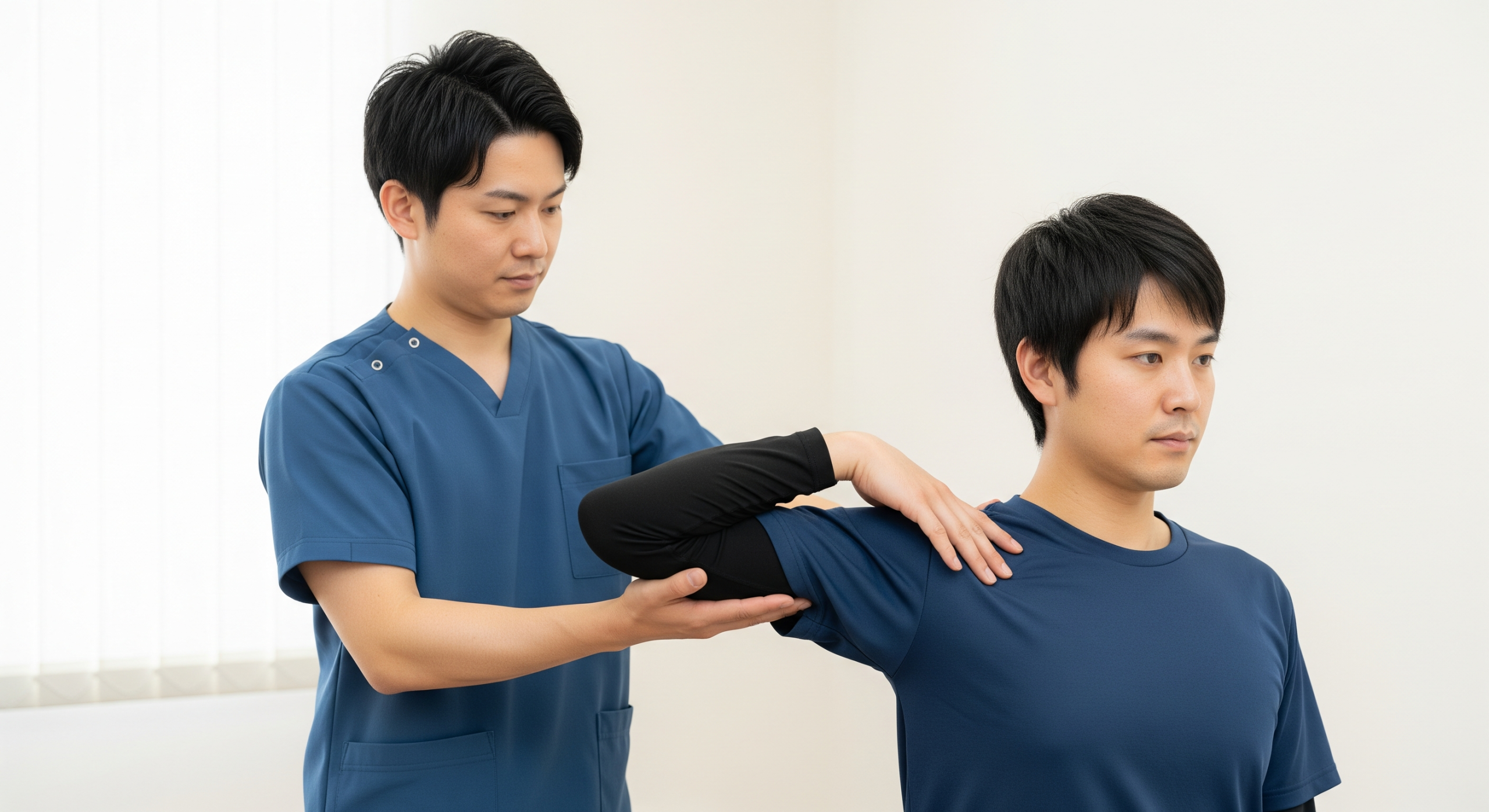
TMJ issues are often treated as isolated problems—tight muscles, joint inflammation, or bite alignment. But the jaw doesn’t function independently. It’s part of a much larger system that includes posture, spinal alignment, and cranial structure.
When tmj treatment not working, it’s usually because the real cause hasn’t been addressed. Temporary relief might come and go, but the root problem remains.
Clinics like Upright Posture focus on structural correction, identifying deeper imbalances that influence jaw function rather than just treating surface-level symptoms.
Jump To:
- TLDR Quick Guide
- Why Traditional TMJ Treatments Often Fail
- The Missing Link: Full-Body Alignment
- Why Bite Adjustments Aren’t Enough
- The Role of Cranial and Structural Correction
- Why Muscle-Based Treatments Fall Short
- A Different Approach to TMJ Problems
- Signs Your TMJ Treatment Is Missing the Mark
- Key Takeaways
- FAQs
TLDR Quick Guide
If your tmj treatment not working, here’s why:
- Most treatments focus only on the jaw
- Posture and spinal alignment are often ignored
- Bite adjustments don’t fix structural imbalance
- Muscle tension is usually a symptom, not the cause
- Long-term results require correcting full-body alignment
Fix the structure, not just the symptoms.
Why Traditional TMJ Treatments Often Fail
Symptom-Based Approach
Most TMJ treatments target pain relief rather than the cause. This includes:
- mouthguards
- anti-inflammatory medications
- jaw exercises
These can reduce discomfort temporarily but don’t resolve the underlying issue.
The Problem Keeps Coming Back
Because the root cause isn’t addressed, symptoms return. This creates a cycle of short-term relief followed by recurring pain.
That’s why so many people feel stuck.
The Missing Link: Full-Body Alignment
The Jaw Is Connected to Your Posture
Your jaw position is influenced by your head, neck, and spine. If your posture is misaligned, your jaw compensates.
This creates ongoing stress on the TMJ joint.
Structural Imbalance Drives Dysfunction
When your body is out of alignment, muscles and joints compensate. Over time, this leads to tension, pain, and dysfunction—including TMJ issues.
This is why posture-focused approaches like posture correction are critical for long-term results.
Why Bite Adjustments Aren’t Enough
Teeth Are Not the Root Cause
Many treatments focus on adjusting your bite. While this can help in some cases, it doesn’t address the structural position of your skull and spine.
If the structure is off, the bite will continue to shift.
Compensation Patterns Remain
Even after dental adjustments, the body may still compensate due to misalignment elsewhere. This keeps the cycle going.
True correction requires addressing the full system.
The Role of Cranial and Structural Correction
How the Skull Influences TMJ
The position of your cranial bones directly affects jaw alignment. Restrictions or imbalances in this area can contribute to TMJ dysfunction.
This is where approaches like ABC endonasal cranial correction come into play.
Restoring Natural Alignment
By correcting structural imbalances, the body can return to a more natural state. This reduces the need for constant compensation.
The result is more stable, long-term improvement.
Why Muscle-Based Treatments Fall Short
Muscles React to Structure
Tight muscles around the jaw are usually reacting to misalignment. Treating the muscles without fixing the structure only provides temporary relief.
The tension will return.
Short-Term vs Long-Term Results
Massage, stretching, and relaxation techniques can help—but they don’t solve the underlying issue.
This is why results often don’t last.
A Different Approach to TMJ Problems
Focus on Root Cause
Instead of chasing symptoms, a structural approach identifies what’s causing the imbalance in the first place.
This shifts the focus from temporary relief to long-term correction.
Whole-Body Integration
Treating TMJ effectively means looking at the entire body—spine, posture, and cranial alignment.
Methods like Advanced BioStructural Correction are designed to address these deeper issues.
Signs Your TMJ Treatment Is Missing the Mark
Recurring Pain
If your symptoms keep coming back, the root cause hasn’t been addressed.
Temporary relief isn’t enough.
Multiple Failed Treatments
Trying different approaches without lasting results is a clear sign that something is being overlooked.
This often points to a structural issue.
Symptoms Beyond the Jaw
Headaches, neck pain, and posture problems often accompany TMJ issues. These are clues that the problem is bigger than the jaw itself.
Key Takeaways
- tmj treatment not working usually means the root cause isn’t being addressed
- Most treatments focus on symptoms, not structure
- Posture and spinal alignment play a major role in TMJ issues
- Bite adjustments alone are often insufficient
- Long-term results require full-body structural correction
FAQs
Why is my TMJ treatment not working?
Most treatments focus on relieving symptoms rather than addressing the root cause. If structural alignment isn’t corrected, the problem persists. This leads to recurring pain and frustration.
Can posture really affect TMJ?
Yes, posture has a direct impact on jaw alignment. Misalignment in the spine and neck can cause the jaw to compensate. Over time, this leads to TMJ dysfunction.
Are mouthguards enough to fix TMJ?
Mouthguards can help reduce symptoms like grinding or tension. However, they don’t address the underlying structural issues. This means they often provide only temporary relief.
What is structural correction for TMJ?
Structural correction focuses on aligning the body as a whole. This includes posture, spine, and cranial alignment. It aims to resolve the root cause rather than just symptoms.
How do I know if I need a different approach?
If you’ve tried multiple treatments without lasting results, it’s time to reassess. Recurring symptoms are a sign something deeper is being missed. A structural approach may offer a more effective solution.