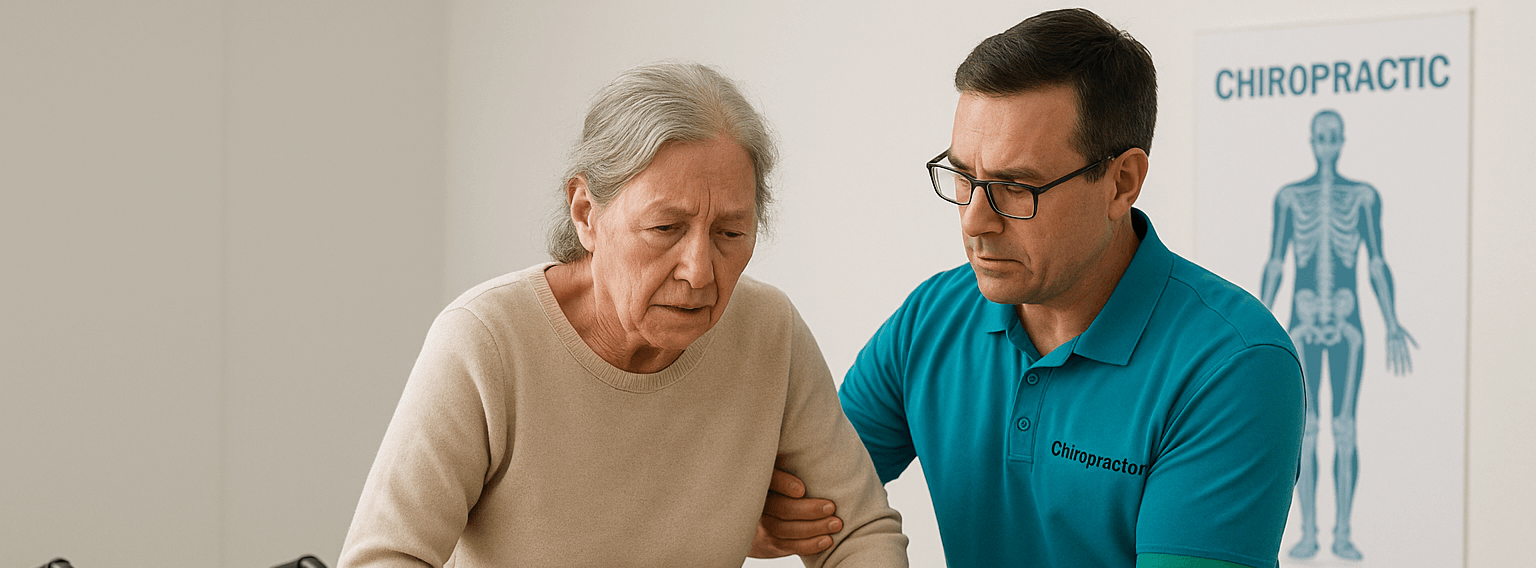
If you’ve tried stretches, posture braces, or ergonomic chairs but still struggle with pain or slouching, you’re not alone. Many people searching for the best upright posture correction method find temporary relief—but not lasting results.
That’s because most solutions focus on managing symptoms rather than correcting the underlying structural issue. You might feel better for a few days or weeks, but the problem often returns because the root cause hasn’t been addressed.
True posture correction isn’t about forcing your body into position—it’s about restoring proper alignment so your body can naturally hold itself upright without effort. At clinics like Upright Posture, the focus is on identifying and correcting structural imbalances that lead to long-term posture problems.
Understanding which methods actually work—and which don’t—is the first step toward achieving lasting results.
Jump To:
TLDR Quick Guide
- Most posture fixes are temporary and symptom-based
- Braces, stretching, and sitting adjustments don’t correct structure
- Long-term results require addressing spinal alignment
- Structural correction methods provide lasting improvements
- Treatments like Advanced BioStructural Correction target the root cause
If it doesn’t fix structure, it won’t fix posture long term.
Why Most Posture Correction Methods Fail
The Problem With Symptom-Based Approaches
Most common posture solutions—such as posture correctors, ergonomic chairs, or stretching routines—focus on surface-level changes. They attempt to force the body into a better position without addressing why the body is misaligned in the first place.
For example, improving your best sitting posture can help reduce strain temporarily. However, once you stop actively thinking about posture, your body often returns to its previous position.
This happens because the structural imbalance remains unchanged.
Why Pain Keeps Coming Back
When posture issues are caused by structural misalignment, the body compensates by overworking certain muscles. This leads to tension, fatigue, and eventually pain.
You might experience recurring symptoms such as:
- Back pain
- Neck stiffness
- Headaches
- Shoulder tension
Many people seek solutions for neck pain relief or back discomfort without realizing that posture is the underlying cause.
Unless the structure is corrected, these symptoms tend to return.
What Actually Works: Structural Posture Correction
The Difference Between Structural and Non-Structural Methods
The most effective upright posture correction method focuses on restoring proper alignment of the spine and pelvis. This approach doesn’t rely on external support or constant effort—it changes how the body functions at a foundational level.
Structural correction methods aim to:
- Realign the spine
- Reduce compensations in the body
- Improve balance and biomechanics
This allows the body to maintain upright posture naturally.
Why Structural Correction Lasts
When the structure of the body is corrected, muscles no longer need to compensate for misalignment. This reduces strain and allows posture to stabilize over time.
Unlike temporary solutions, structural correction creates long-term change. Once alignment is improved, the body can maintain proper posture without constant intervention.
This is why structural approaches are often more effective for chronic posture issues.
The Role of Advanced BioStructural Correction™
A Root-Cause Approach
One of the most recognized structural methods is Advanced BioStructural Correction (ABC). This technique focuses on correcting the underlying misalignment in the body rather than masking symptoms.
ABC works by applying precise adjustments to restore structural balance. The goal is to allow the body to return to its natural alignment, reducing stress on muscles and joints.
This approach is particularly effective for individuals who have tried other treatments without success.
How It Differs From Traditional Treatments
Traditional treatments often focus on managing pain through exercises, stretching, or temporary adjustments. While these methods can provide short-term relief, they may not address the root cause.
ABC, on the other hand, aims to correct the structural imbalance itself. This leads to more lasting results and reduces the likelihood of recurring issues.
For many patients, this represents a shift from symptom management to true correction.
Supporting Your Posture Outside Treatment
Daily Habits That Help
While structural correction is key, daily habits still play a role in maintaining results. Small changes can support your body’s alignment and reduce unnecessary strain.
For example, footwear can influence posture. Choosing supportive options or exploring guides like best barefoot shoe can help improve natural movement and alignment.
Consistency in daily habits supports long-term outcomes.
Avoiding Common Mistakes
Many people rely too heavily on quick fixes such as posture braces or excessive stretching. These methods may provide temporary relief but do not address the root issue.
Focusing on structural correction while maintaining healthy habits is a more effective approach.
Understanding what doesn’t work is just as important as knowing what does.
Signs You Need a Structural Posture Solution
Persistent or Recurring Pain
If you experience ongoing pain that keeps returning despite treatment, it may indicate a structural issue.
Conditions such as chronic back pain, headaches, or nerve irritation are often linked to misalignment.
Limited Improvement From Other Treatments
If you’ve tried multiple therapies without lasting results, it may be time to consider a different approach.
Structural correction methods are often recommended for individuals who haven’t found relief through conventional treatments.
Key Takeaways
- The best upright posture correction method focuses on structural alignment
- Most common solutions only provide temporary relief
- Structural correction addresses the root cause of posture issues
- Advanced BioStructural Correction offers long-term results
- Supporting habits help maintain improvements over time
FAQs
What is the best posture correction method?
The best posture correction method is one that addresses the root cause of misalignment. Structural correction techniques focus on realigning the spine and improving biomechanics. This leads to longer-lasting results compared to temporary fixes.
Do posture braces actually work?
Posture braces can provide temporary support but do not correct underlying structural issues. Once removed, the body often returns to its previous position. They are not a long-term solution for posture correction.
Can posture be permanently corrected?
Posture can be significantly improved when the underlying structural issues are addressed. Structural correction methods aim to create lasting changes in alignment. Maintenance and healthy habits help sustain results.
Why does my posture keep getting worse?
Posture often worsens due to underlying structural imbalances and daily habits. Without correcting the root cause, the body continues to compensate. This leads to recurring issues and gradual deterioration.