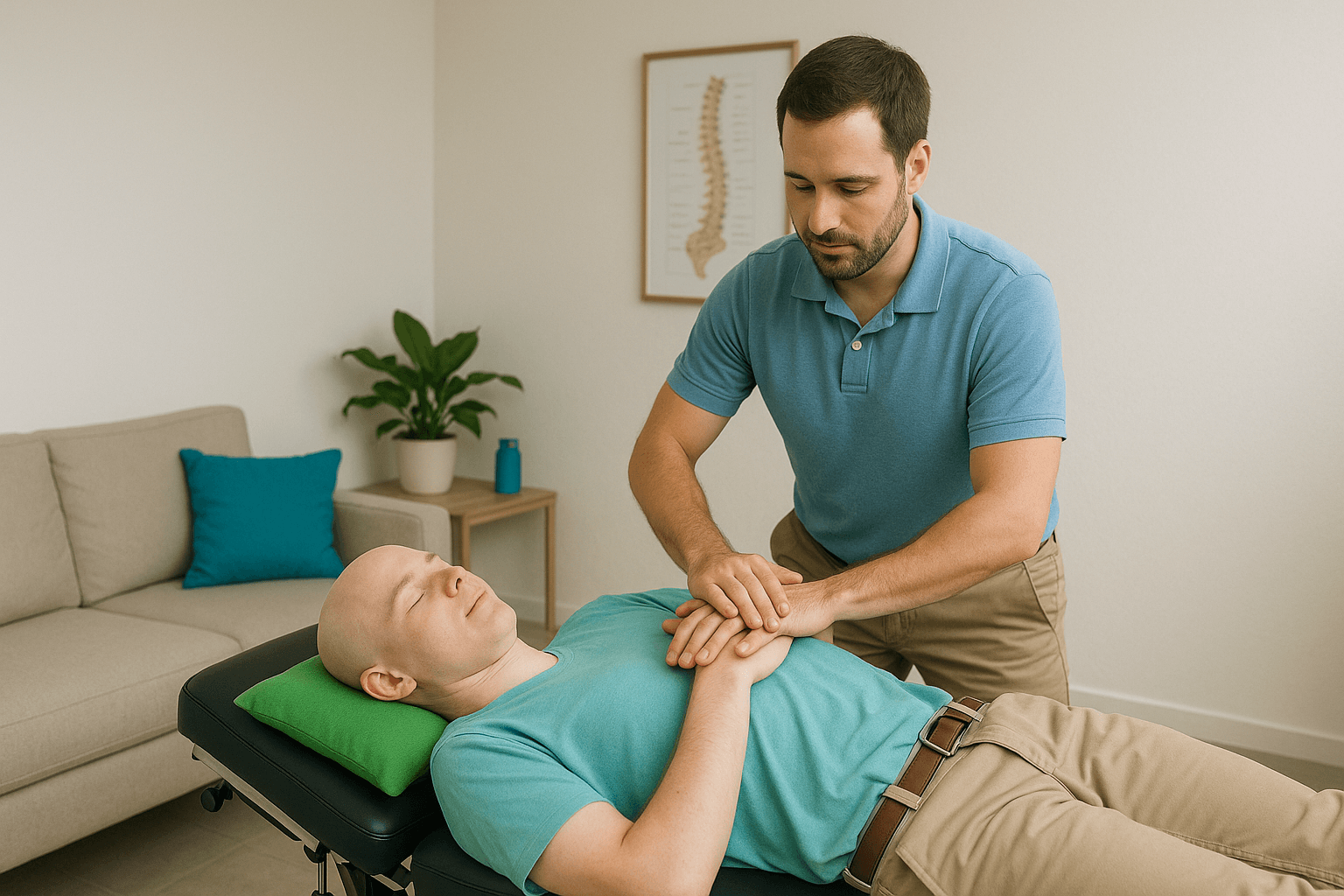
The body is incredibly adaptive. When something is out of alignment, it doesn’t stop functioning—it adjusts.
Posture compensation is the body’s way of maintaining balance and movement when proper alignment is disrupted. While this helps you stay active in the short term, it often creates long-term strain and dysfunction.
Understanding posture compensation is key to recognizing why symptoms persist and why simple fixes don’t always work.
Jump To:
- TLDR Quick Guide
- What Is Posture Compensation?
- Why Posture Compensation Happens
- How Compensation Affects the Entire Body
- Common Signs of Posture Compensation
- Why Temporary Fixes Don’t Last
- The Link Between Posture and Structural Alignment
- Long-Term Effects of Posture Compensation
- How Structural Approaches Help
- Key Takeaways
- FAQs
TLDR Quick Guide
- Posture compensation is how the body adapts to imbalance
- It allows movement but creates strain elsewhere
- Symptoms often appear far from the root issue
- Temporary fixes don’t resolve compensation patterns
- Learn structural solutions like Advanced BioStructural Correction
What Is Posture Compensation?
The Body’s Backup System
Posture compensation occurs when the body shifts alignment to maintain function despite imbalance.
Instead of correcting the issue directly, the body:
- redistributes weight
- adjusts muscle activity
- alters movement patterns
This allows you to continue daily activities, but at the cost of increased stress on other areas.
Why Posture Compensation Happens
Function Comes Before Alignment
The body prioritizes survival and movement over perfect posture.
Compensation happens when:
- joints are misaligned
- muscles are unevenly loaded
- structural balance is disrupted
Rather than stopping, the body adapts. This adaptation is helpful initially, but it often leads to inefficient movement and long-term issues.
How Compensation Affects the Entire Body
One Shift Leads to Many Changes
Posture compensation doesn’t stay isolated.
For example:
- a tilted pelvis can affect spinal alignment
- spinal shifts can impact shoulder positioning
- uneven shoulders can lead to neck tension
This chain reaction explains why symptoms often appear in areas that seem unrelated to the original problem.
Common Signs of Posture Compensation
What Your Body Is Telling You
Many people live with compensation patterns without realizing it.
Common signs include:
- uneven shoulders or hips
- recurring back or neck pain
- one side of the body feeling tighter
- difficulty maintaining upright posture
These symptoms often develop gradually, making them easy to ignore until they become persistent.
Why Temporary Fixes Don’t Last
Treating the Effect, Not the Cause
Stretching, massage, and general exercise can provide relief—but often only temporarily.
That’s because:
- they address muscle tension
- not structural alignment
Without correcting the underlying imbalance, the body continues to compensate. This leads to recurring symptoms even after treatment.
The Link Between Posture and Structural Alignment
Posture Reflects Deeper Issues
Posture is not just about how you stand—it reflects how your body is structured.
Approaches like posture correction focus on identifying and improving alignment at a deeper level rather than simply encouraging better habits.
This is what helps reduce the need for ongoing compensation.
Long-Term Effects of Posture Compensation
Small Adjustments Become Chronic Problems
Over time, compensation patterns can lead to:
- joint wear and tear
- reduced mobility
- chronic discomfort
- inefficient movement
The longer the body compensates, the harder it becomes to restore balance naturally.
How Structural Approaches Help
Addressing the Root Cause
Instead of managing symptoms, structural approaches aim to reduce the need for compensation.
This involves:
- identifying areas of imbalance
- improving alignment
- supporting more natural movement patterns
Clinics like Upright Posture focus on these principles to help create long-term improvements rather than temporary relief.
Why Awareness Is the First Step
You Can’t Fix What You Don’t Recognize
Many people don’t realize they are compensating until symptoms worsen.
Recognizing early signs allows you to:
- take proactive steps
- prevent further strain
- improve overall function
Awareness creates the opportunity to address the root issue before it becomes more complex.
Key Takeaways
- Posture compensation is the body’s way of adapting to imbalance
- It allows function but creates strain in other areas
- Symptoms often appear away from the original issue
- Temporary fixes don’t resolve underlying causes
- Long-term improvement requires addressing structural alignment
FAQs
What causes posture compensation?
Posture compensation is usually caused by structural imbalance or uneven stress on the body. This can come from injury, repetitive movement, or long-term habits. Over time, the body adapts to maintain function.
Is posture compensation harmful?
In the short term, it helps you stay active and functional. Over time, it can lead to strain, discomfort, and reduced mobility. Addressing it early helps prevent long-term issues.
Can posture compensation go away on its own?
In most cases, it does not fully resolve without intervention. The body continues to rely on compensation patterns. Addressing the underlying cause is usually necessary for lasting improvement.
How do I know if I have posture compensation?
Signs include uneven posture, recurring pain, and muscle imbalances. You may also notice one side of your body feels different from the other. A professional assessment can help confirm this.
Can exercise fix posture compensation?
Exercise can improve strength and flexibility. However, it may not fully correct structural imbalance. A targeted approach is often needed to address the root cause.