Arthritis symptoms are not always constant. You might have several relatively comfortable days followed by a period when a knee feels stiff again, your hands become more uncomfortable, or everyday movements suddenly seem harder. This changing pattern can make recurring arthritis pain frustrating and difficult to understand.
The return of pain does not necessarily mean that something has suddenly gone seriously wrong. Arthritis is an umbrella term covering many joint conditions, and symptoms can fluctuate because of changes in inflammation, activity, joint loading, muscle function, sleep, stress, general health, and the underlying condition itself.
It is also important not to assume that every recurring ache is caused by arthritis. Tendons, muscles, bursae, nerves, and other structures can produce symptoms around a joint, while some forms of inflammatory arthritis require medical management that goes beyond exercises or manual therapy.
Understanding why symptoms keep returning can help you move away from repeatedly responding to individual flare-ups and toward a more considered long-term plan.
Jump To:
- TLDR Quick Guide
- What Does Recurring Arthritis Pain Mean?
- Why Does Arthritis Pain Keep Coming Back?
- How Does Activity Affect Recurring Arthritis Pain?
- Can Repetitive Movement Trigger Arthritis Symptoms?
- Why Can Arthritis Feel Worse in the Morning?
- Can Muscle Weakness Contribute to Recurring Symptoms?
- Does Posture Cause Arthritis Pain to Return?
- Can Sleep Affect Arthritis Pain?
- Does Stress Make Arthritis Pain Worse?
- Can Weather Make Arthritis Hurt More?
- Why Does Pain Return After Treatment?
- What Role Can Chiropractic Care Have?
- What Can You Do When Arthritis Pain Returns?
- How Can Pacing Help Recurring Arthritis Pain?
- Should You Exercise When Arthritis Is Painful?
- How Do You Know Whether Pain Is Arthritis or Something Else?
- When Should Recurring Arthritis Pain Be Reassessed?
- When Does Arthritis Pain Need Urgent Medical Attention?
- How Can You Build a Longer-Term Arthritis Management Plan?
- Key Takeaways
- FAQs
TLDR Quick Guide
What to Know About Recurring Arthritis Pain
- Arthritis symptoms can fluctuate rather than remaining at the same intensity every day.
- Different types of arthritis have different causes and patterns.
- Osteoarthritis involves changes throughout the joint, not simply unavoidable “wear and tear.”
- Inflammatory arthritis can cause periods of increased disease activity or flares.
- A sudden increase in activity may aggravate symptoms.
- Too little movement can also contribute to stiffness and reduced physical capacity.
- Repetitive or unfamiliar joint loading can temporarily increase discomfort.
- Muscle weakness may make everyday tasks more demanding.
- Poor sleep can influence how strongly pain is experienced.
- Stress and general wellbeing can affect pain sensitivity and coping.
- Morning stiffness patterns can provide useful information but do not diagnose a particular type of arthritis by themselves.
- Posture may influence how certain activities load the body, but arthritis should not automatically be blamed on “bad posture.”
- Exercise is commonly an important part of arthritis management when appropriately selected.
- Pacing can help balance activity and recovery.
- Persistent or changing symptoms deserve reassessment rather than endless self-treatment.
- Sudden severe symptoms, a hot swollen joint, fever, significant trauma, or unexplained illness can require prompt medical attention.
- Treatment should reflect the specific type of arthritis and the individual rather than following a one-size-fits-all plan.
What Does Recurring Arthritis Pain Mean?
Symptoms Can Change From Day to Day
Recurring pain generally describes symptoms that improve and then return or vary considerably over time.
For someone with arthritis, that might mean several weeks of manageable discomfort followed by increased stiffness after an unusually active weekend. Another person may experience more noticeable symptoms at particular times of day or during periods when their inflammatory condition is more active.
Fluctuation is important because pain intensity does not provide a perfect real-time measurement of structural joint damage.
A painful day does not necessarily mean a joint has suddenly deteriorated, just as a relatively pain-free day does not mean the underlying condition has disappeared.
Different Arthritis Conditions Behave Differently
“Arthritis” is not one diagnosis.
Osteoarthritis, rheumatoid arthritis, psoriatic arthritis, gout and other joint conditions have different biological processes and may require very different approaches to treatment.
That is why persistent recurring arthritis pain should be considered in the context of an established diagnosis—or professionally evaluated if you do not yet know what is causing your symptoms.
Why Does Arthritis Pain Keep Coming Back?
The Underlying Condition Is Still Present
Symptom improvement and cure are not the same thing.
Medication, exercise, activity modification, rehabilitation, heat or other management approaches may help reduce symptoms, but the underlying condition may still require ongoing management.
This is particularly relevant when someone stops everything that was helping as soon as the joint feels better.
A longer-term strategy can be more useful than repeatedly beginning and abandoning management whenever symptoms change.
Arthritis Can Have Flare-Ups
Some people experience periods when arthritis symptoms become noticeably more troublesome.
Depending on the condition, a flare might involve increased pain, stiffness, swelling, fatigue or reduced ability to perform normal activities.
The reason for a flare is not always obvious.
For inflammatory arthritis in particular, repeated or significant flares should be discussed with the healthcare professional managing the condition because medication or disease-management decisions may need review.
How Does Activity Affect Recurring Arthritis Pain?
Doing More Than Usual Can Increase Symptoms
Imagine you normally walk for 20 minutes but spend an entire day sightseeing, gardening or doing home improvements.
Even if those activities are safe, the sudden increase in workload may exceed what your joints and surrounding tissues are currently accustomed to.
Symptoms can subsequently increase.
This does not automatically mean the activity damaged the joint. It may indicate that the jump in workload was greater than your present capacity comfortably tolerates.
Avoiding Movement Completely Can Create Other Problems
When a joint hurts, avoiding movement can feel logical.
Short periods of modified activity may sometimes be appropriate during a flare, but prolonged inactivity can contribute to loss of strength, confidence, mobility and physical capacity.
That can make ordinary tasks feel more demanding when activity resumes.
The goal is therefore not simply “move more” or “rest more.” It is finding an appropriate balance based on your condition, symptoms and professional advice.
Can Repetitive Movement Trigger Arthritis Symptoms?
Repetition Changes the Amount of Load
One movement may feel completely comfortable.
Performing that same movement hundreds of times can be different.
Gardening, typing, gripping tools, climbing stairs, lifting, prolonged walking and repetitive occupational tasks can all increase the total demand placed on particular joints and surrounding tissues.
If symptoms repeatedly occur after a particular task, examine the overall workload rather than assuming the movement itself is inherently harmful.
Breaks and Task Variation May Help
Breaking a demanding activity into smaller periods can sometimes make it easier to tolerate.
You may also be able to alternate tasks rather than repeatedly loading the same joint in the same way.
This is part of pacing: managing workload so you can remain active without repeatedly swinging between overdoing an activity and avoiding it completely.
Why Can Arthritis Feel Worse in the Morning?
Inactivity Can Contribute to Stiffness
Many people with arthritis report stiffness after waking or after sitting still for a prolonged period.
Gentle movement may help some people feel less stiff as the day begins.
Upright Posture discusses practical considerations around arthritis and morning stiffness for people trying to understand these patterns.
The duration and character of morning stiffness can also provide clinicians with useful information, particularly when distinguishing between different joint conditions.
Morning Stiffness Does Not Diagnose Arthritis Type
It is important not to diagnose yourself based solely on when stiffness occurs.
Morning symptoms can occur in different musculoskeletal and inflammatory conditions.
If stiffness is persistent, prolonged, worsening, accompanied by swelling or affecting multiple joints, speak with an appropriate healthcare professional.
Can Muscle Weakness Contribute to Recurring Symptoms?
Joints Do Not Work in Isolation
Movement depends on the combined function of joints, muscles and the nervous system.
If surrounding muscles have become weaker because of pain, inactivity or reduced use, everyday activities may require a greater percentage of your available physical capacity.
Building appropriate strength can therefore be an important component of arthritis management for many people.
Strengthening Should Be Individualised
That does not mean every person with arthritis should immediately begin heavy resistance training.
Exercise selection should reflect the affected joint, type of arthritis, current symptoms, physical capacity, other medical conditions and personal goals.
Progressive strengthening is usually more useful than suddenly attempting a demanding programme that your body is not prepared for.
Does Posture Cause Arthritis Pain to Return?
The Relationship Is More Complicated Than “Bad Posture”
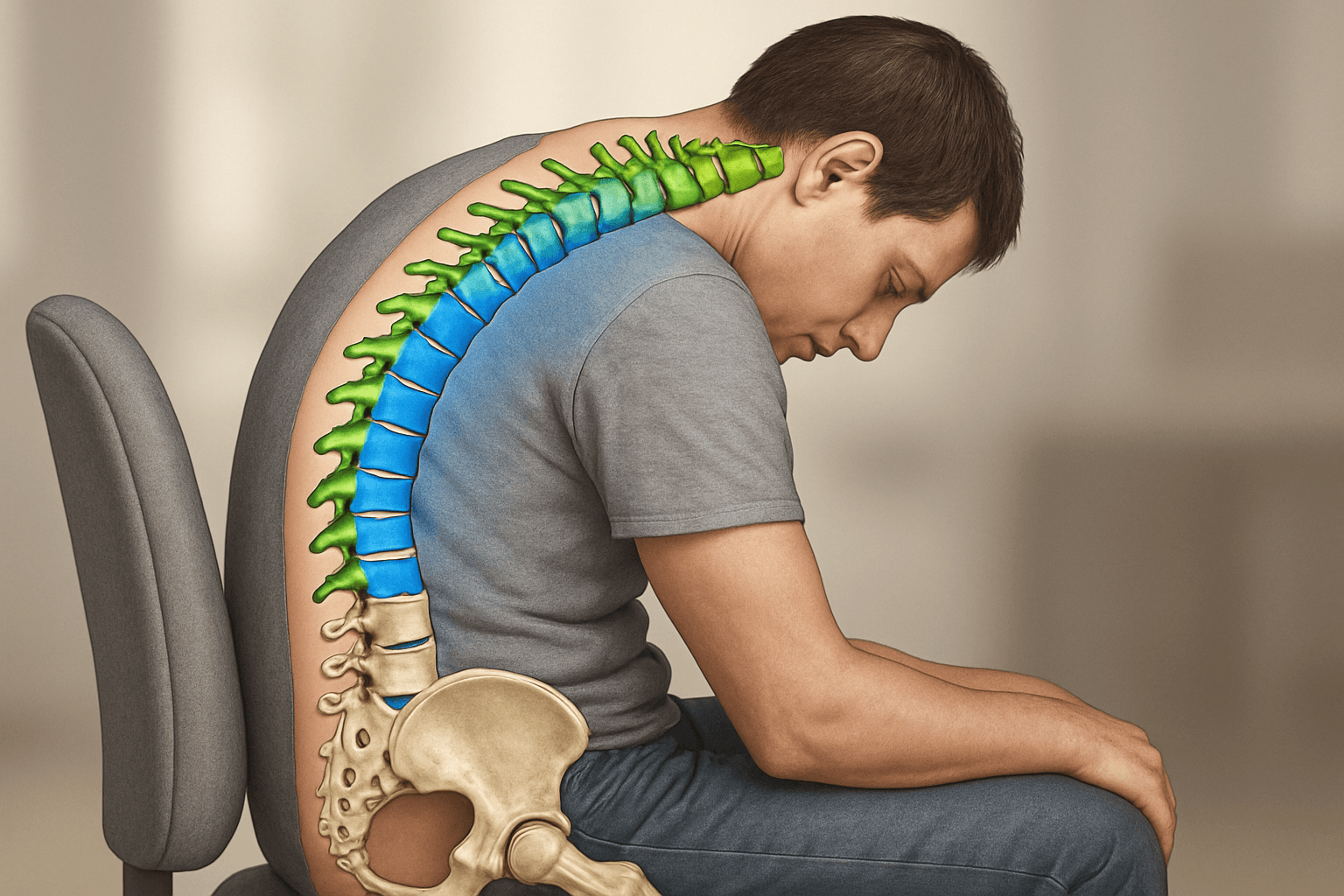
Posture can affect how the body is positioned during sitting, standing, lifting and movement, but it would be overly simplistic to say that poor posture directly causes all arthritis pain.
There is no single perfect posture that everyone must maintain throughout the day.
Frequently, being able to vary positions and tolerate different movements is more practical than rigidly trying to hold one supposedly ideal alignment.
A Postural Assessment Can Still Provide Useful Context
For some people, movement habits, mobility limitations and the way activities are performed may influence where physical demands are felt.
A professional posture correction assessment can examine these factors as part of the broader musculoskeletal picture.
At Upright Posture, structural and postural assessment is used to understand how an individual moves and functions. It should complement—not replace—appropriate medical evaluation and arthritis management when those are needed.
Can Sleep Affect Arthritis Pain?
Pain and Sleep Can Influence Each Other
Pain can make it difficult to fall asleep or remain comfortable throughout the night.
At the same time, inadequate or disrupted sleep can affect pain sensitivity, energy, mood and your ability to cope with symptoms the following day.
This can create a difficult cycle.
Pain interrupts sleep, poor sleep makes the next day harder, reduced activity follows, and normal tasks may begin to feel increasingly demanding.
Consider the Broader Sleep Problem
Pillows and sleeping positions may improve comfort for some people, but they are not universal solutions for arthritis.
Persistent sleep difficulties may need a broader assessment, particularly if they involve symptoms such as loud snoring, breathing interruptions, severe daytime sleepiness or another possible sleep disorder.
Treat sleep as part of overall health rather than simply searching for one “arthritis sleeping position.”
Does Stress Make Arthritis Pain Worse?
Pain Is Influenced by More Than Joint Structure
Pain is a real experience influenced by biological, psychological and social factors.
Stress does not mean symptoms are imaginary.
Periods of high stress can affect sleep, muscle tension, activity, recovery, attention to symptoms and pain sensitivity.
Understanding these influences can help explain why pain sometimes changes even when you cannot identify a clear physical trigger.
Look for Patterns Without Blaming Yourself
A symptom diary can sometimes reveal useful relationships among activity, sleep, stress and symptoms.
The goal is not to identify something you “did wrong.”
Instead, patterns can provide information that helps you and your healthcare professional make more informed management decisions.
Can Weather Make Arthritis Hurt More?
Some People Report Weather-Related Changes
People with arthritis commonly report that their symptoms vary with weather conditions.
Research into exactly how factors such as temperature, humidity and barometric pressure relate to arthritis pain has produced mixed and complex findings.
Personal experience can still be useful for planning, but weather should not automatically be assumed to explain every flare.
Keep Moving When Conditions Change
If cold or wet weather makes you less inclined to be active, the resulting reduction in movement may also contribute to stiffness.
Consider safe indoor activity when outdoor conditions are unpleasant.
Maintaining a manageable level of movement can be more useful than waiting for perfect weather before becoming active again.
Why Does Pain Return After Treatment?
Short-Term Symptom Relief May Not Address Every Contributor
A treatment may make a joint or surrounding area feel more comfortable for hours, days or longer.
If physical capacity, workload, inflammatory disease activity, sleep problems or another contributing factor remains unchanged, symptoms may eventually return.
This does not necessarily mean the previous treatment “failed.”
It means recurring symptoms often require a broader strategy than repeatedly seeking temporary relief.
Treatment Plans May Need to Change
What helped six months ago may not be what you need today.
Your activity level, strength, symptoms, medication, health, work and goals can change.
If your current plan is no longer helping, reassessment is more appropriate than simply repeating the same approach indefinitely.
What Role Can Chiropractic Care Have?
Arthritis Requires Realistic Expectations
Chiropractic care cannot reverse every form of arthritis or guarantee that recurring symptoms will disappear.
For appropriate patients, conservative musculoskeletal care may form one part of a broader plan aimed at mobility, movement, function and symptom management.
Upright Posture provides information about its approach to chiropractic treatment for arthritis, but suitability depends on the individual.
Some people require medical or rheumatology-led care, medication, physiotherapy or other treatment instead of—or alongside—manual approaches.
Assessment Should Come Before Treatment
The fact that a joint hurts does not automatically make manipulation appropriate.
A clinician should consider the diagnosis, medical history, current symptoms, medication, bone health and relevant risk factors before recommending treatment.
If the presentation suggests a condition outside the clinician’s scope, referral for appropriate medical investigation should take priority.
What Can You Do When Arthritis Pain Returns?
First, Look at What Has Changed
Think about the period leading up to the flare.
Have you:
- Increased walking or exercise?
- Started a new activity?
- Reduced normal movement?
- Spent longer sitting?
- Changed your work routine?
- Slept poorly?
- Been unwell?
- Experienced unusually high stress?
- Missed prescribed medication?
- Injured the area?
Sometimes there is an obvious pattern.
Other times there is no clear trigger, and that is useful information too.
Modify Rather Than Automatically Stop Everything
Unless a healthcare professional has advised otherwise, a flare does not necessarily require complete inactivity.
You may be able to reduce the duration, intensity, load or frequency of an activity while continuing manageable movement.
For example, a long walk might temporarily become several shorter walks.
The appropriate modification depends on the joint, symptoms and underlying condition.
How Can Pacing Help Recurring Arthritis Pain?
Avoid the Boom-and-Bust Cycle
A common pattern in persistent pain is doing very little on difficult days and trying to catch up on everything during a good day.
The result can be a cycle of overactivity followed by increased symptoms and another prolonged period of inactivity.
Pacing aims for greater consistency.
Instead of using pain as the only signal for when to stop, consider planning manageable amounts of activity and gradually increasing them as your capacity allows.
Progress Gradually
If you can comfortably walk for 15 minutes, suddenly attempting a two-hour hike may not be the most useful progression.
Gradual increases give your body time to adapt.
Progress does not have to occur every day, and temporary symptom fluctuations do not automatically mean you should abandon the plan.
Should You Exercise When Arthritis Is Painful?
Exercise Can Be an Important Management Tool
Appropriate exercise can support strength, mobility, cardiovascular health, balance, confidence and everyday function.
The best exercise is not necessarily a specialised “arthritis exercise.”
Walking, resistance training, cycling, swimming and mobility exercises may all have roles depending on the individual.
Adjust Exercise During a Flare
You may need to change intensity or exercise selection when symptoms increase.
That could mean reducing resistance, shortening a session, changing the movement or allowing more recovery.
If exercise repeatedly causes substantial or prolonged symptom increases, seek professional advice rather than continually forcing the same programme.
How Do You Know Whether Pain Is Arthritis or Something Else?
Location Alone Is Not Enough
Pain near an arthritic joint is not automatically coming from the arthritis itself.
Muscles, tendons, bursae, nerves and referred pain from another area can produce symptoms in similar locations.
That distinction can matter because management may differ.
New Symptoms Deserve Attention
If a familiar arthritis pattern suddenly changes, do not automatically dismiss it as “just my arthritis.”
New swelling, redness, heat, trauma, neurological symptoms, unexplained systemic illness or rapidly increasing pain may require medical assessment.
An established arthritis diagnosis does not prevent another condition from developing.
When Should Recurring Arthritis Pain Be Reassessed?
When the Pattern Changes
Consider reassessment when symptoms are becoming more frequent, more intense, lasting longer or limiting activities that were previously manageable.
A clinician can review whether the underlying condition, physical capacity, treatment plan or another factor has changed.
You should also seek advice if your existing management strategy is no longer effective.
When Symptoms Affect Daily Life
Pain does not need to be unbearable before you ask for help.
If arthritis is consistently interfering with sleep, work, walking, exercise, household tasks or activities you value, a review may be worthwhile.
The objective is not merely to assign a pain score.
It is to understand how symptoms are affecting function and what realistic steps might improve your ability to manage them.
When Does Arthritis Pain Need Urgent Medical Attention?
Do Not Assume Every Severe Symptom Is a Routine Flare
Some symptoms require prompt medical assessment rather than routine musculoskeletal treatment.
Seek appropriate urgent medical advice for concerns such as:
- A suddenly hot, red and significantly swollen joint
- Severe pain after significant trauma
- Fever or feeling seriously unwell alongside joint symptoms
- Sudden inability to use or bear weight through a joint
- New significant weakness or numbness
- Loss of bladder or bowel control associated with severe spinal symptoms
- Chest pain or severe breathing difficulty
- Other rapidly developing or alarming symptoms
This list is not exhaustive.
When symptoms are severe, unusual or rapidly worsening, seek appropriate medical care rather than assuming they are simply another arthritis flare.
How Can You Build a Longer-Term Arthritis Management Plan?
Understand Your Diagnosis
A useful plan begins with knowing what type of arthritis you have.
Management for osteoarthritis may differ substantially from treatment for rheumatoid arthritis, gout or another inflammatory condition.
If the diagnosis is uncertain, obtaining appropriate medical evaluation is more useful than building a treatment plan around assumptions.
Identify Your Modifiable Factors
You cannot necessarily remove the underlying condition, but you may be able to improve factors surrounding it.
Depending on the individual, those could include:
- Strength
- Mobility
- General physical activity
- Activity pacing
- Sleep
- Workstation habits
- Movement confidence
- Exercise progression
- Weight management when clinically relevant
- Medication adherence
- Management of other health conditions
Focus on factors that are relevant to you rather than trying to change everything at once.
Review the Plan Over Time
Long-term conditions require adjustment.
A plan that worked during a quiet period may need modification during a flare, after illness or when activity goals increase.
Regular reassessment can help distinguish a temporary fluctuation from a genuine change requiring a different approach.
Key Takeaways
Managing Recurring Arthritis Pain
- Recurring arthritis pain does not necessarily mean a joint is being newly damaged each time symptoms increase.
- Arthritis encompasses multiple conditions with different causes and treatment needs.
- Osteoarthritis and inflammatory arthritis should not automatically be managed in the same way.
- Symptoms can fluctuate because of disease activity, physical loading and other factors.
- Sudden increases in activity may contribute to temporary symptom aggravation.
- Prolonged inactivity can reduce strength, mobility and physical capacity.
- Repetitive tasks can increase total joint loading.
- Pacing may help avoid cycles of overactivity and prolonged rest.
- Appropriate exercise can be an important part of arthritis management.
- Muscle strength can influence how easily the body manages everyday demands.
- Sleep and pain can affect one another.
- Stress can influence pain sensitivity without making symptoms imaginary.
- Posture may influence movement and loading, but there is no universal perfect posture.
- Morning stiffness can occur with different conditions and should not be used for self-diagnosis.
- Pain near an arthritic joint may sometimes come from surrounding tissues or another source.
- A change in your usual symptom pattern deserves attention.
- Treatment should be individualised to the diagnosis, health history and goals.
- Manual or chiropractic care should not be presented as a cure for arthritis.
- Persistent symptoms may benefit from professional reassessment.
- Hot, red, severely swollen joints or other significant new symptoms may require prompt medical care.
The most useful response to recurring arthritis pain is not necessarily searching for one trigger or one permanent fix. Understanding the diagnosis, managing physical demands, maintaining appropriate movement, addressing relevant lifestyle factors and seeking reassessment when symptoms change can provide a more sustainable approach.
FAQs
Why does my arthritis pain keep coming back?
Arthritis symptoms can fluctuate because of the underlying condition, changes in physical activity, inflammation, sleep, stress and other individual factors. A return of pain does not automatically mean the joint has suddenly sustained additional damage. If your symptoms are becoming more frequent, severe or different from their usual pattern, consider seeking professional reassessment.
Can arthritis pain come and go for no obvious reason?
Yes, some people experience changes in arthritis symptoms without being able to identify one clear trigger. Pain is influenced by multiple biological, physical and contextual factors, and inflammatory forms of arthritis can also have periods of greater and lesser activity. Keeping a simple record of symptoms and activities may reveal patterns, but persistent unexplained changes should be discussed with a healthcare professional.
Should I rest when arthritis pain flares up?
Temporarily modifying demanding activities can be sensible, but complete or prolonged inactivity is not automatically necessary for every arthritis flare. Manageable movement may help maintain mobility and physical capacity, although the appropriate amount depends on the condition and severity of symptoms. Seek individual advice if you are unsure whether an activity is safe or symptoms repeatedly worsen with exercise.
Can posture make arthritis pain worse?
Body position and movement can change how physical demands are distributed, so certain postures or prolonged positions may influence symptoms for some people. However, arthritis is complex, and it is inaccurate to assume that “bad posture” is the sole cause of recurring joint pain. An assessment may help identify modifiable movement or postural factors while considering the wider medical and musculoskeletal picture.
When should I see someone about recurring arthritis pain?
Arrange an assessment if pain is becoming more frequent, lasts longer, significantly limits normal activities or has changed from your usual pattern. Prompt medical attention may be needed for a suddenly hot and swollen joint, fever with joint symptoms, major trauma, severe unexplained pain or other significant new symptoms. The appropriate professional may be your GP, rheumatology team, physiotherapist or another qualified clinician depending on your diagnosis and symptoms.