

What Happens During a Child Posture Assessment and What Parents Should Know
Children aren’t simply smaller versions of adults. Their bodies are developing continuously, which means posture and movement can change as they grow. A parent might

How to Choose the Best Pillow for Neck Alignment and Better Sleep Posture
A pillow may seem like a simple piece of bedding, but its height, shape, firmness, and positioning can influence how your head and neck are
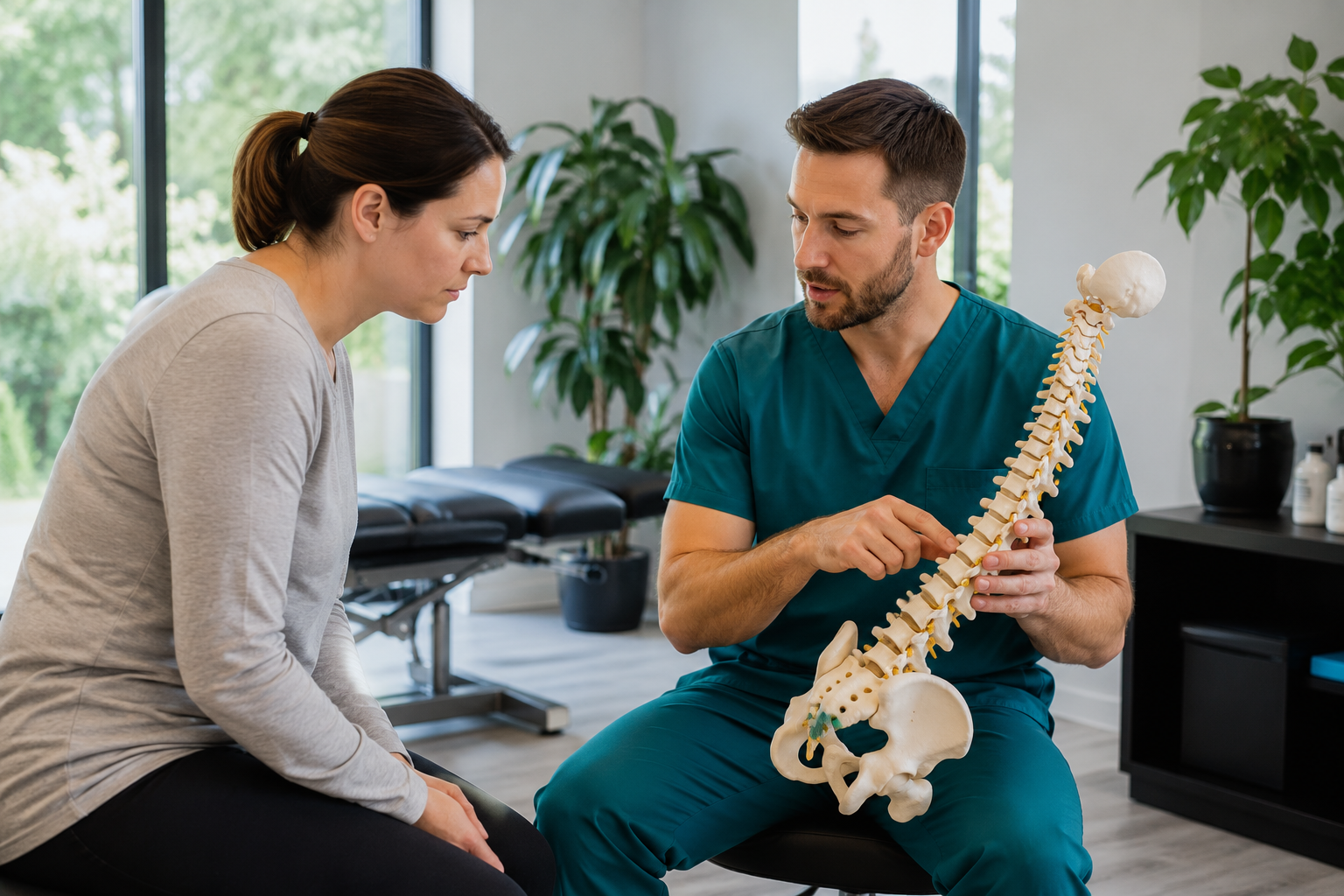
Poor Posture Adaptation: Why Your Body Doesn’t Correct Itself
Most people assume that if their posture is off, their body will eventually correct itself. But the reality is the opposite. Once poor posture adaptation
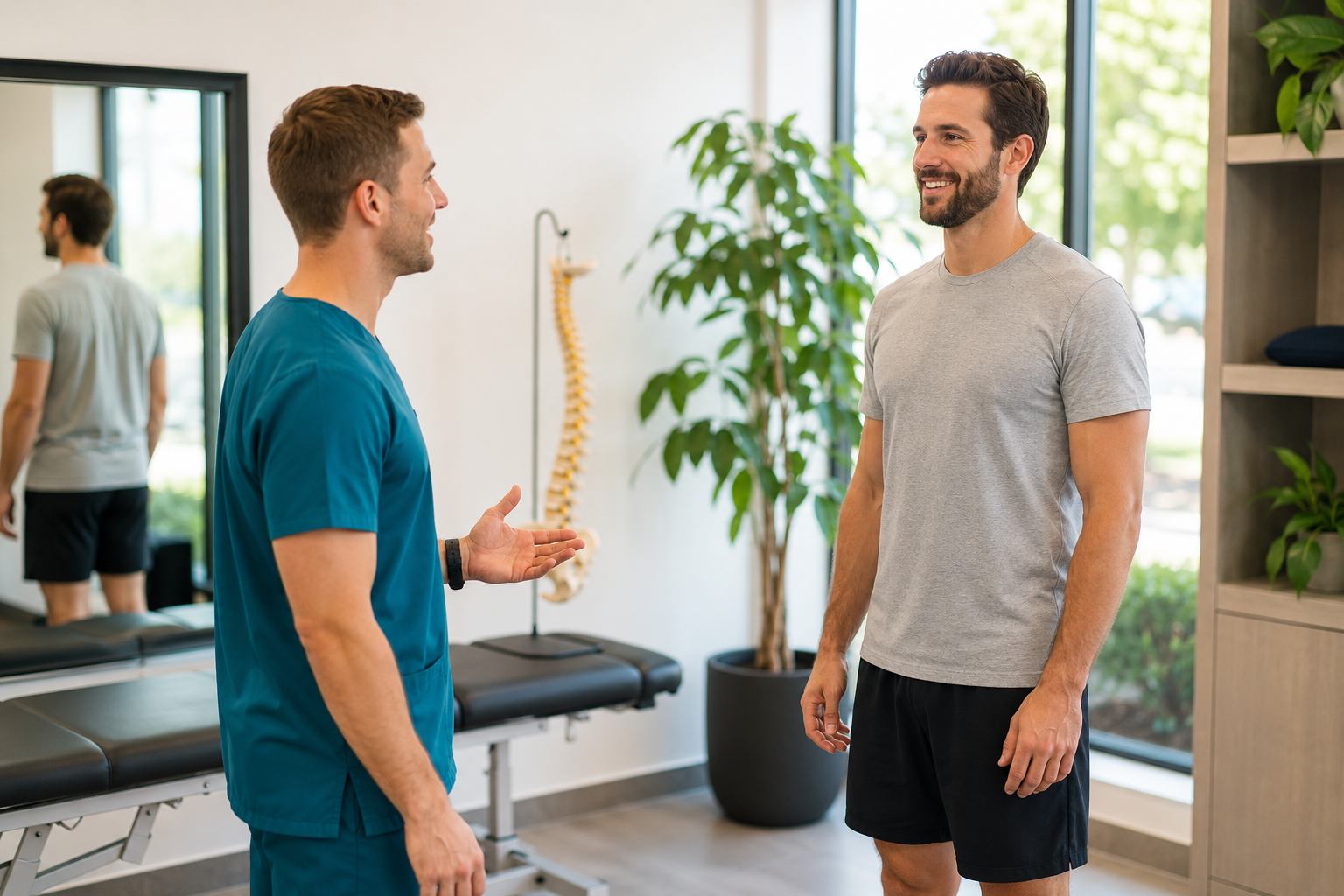
Structural Correction Recovery: What Changes Should You Expect?
Structural correction recovery is not a quick fix—it’s a gradual process where your body adapts to improved alignment over time. Unlike treatments that only provide
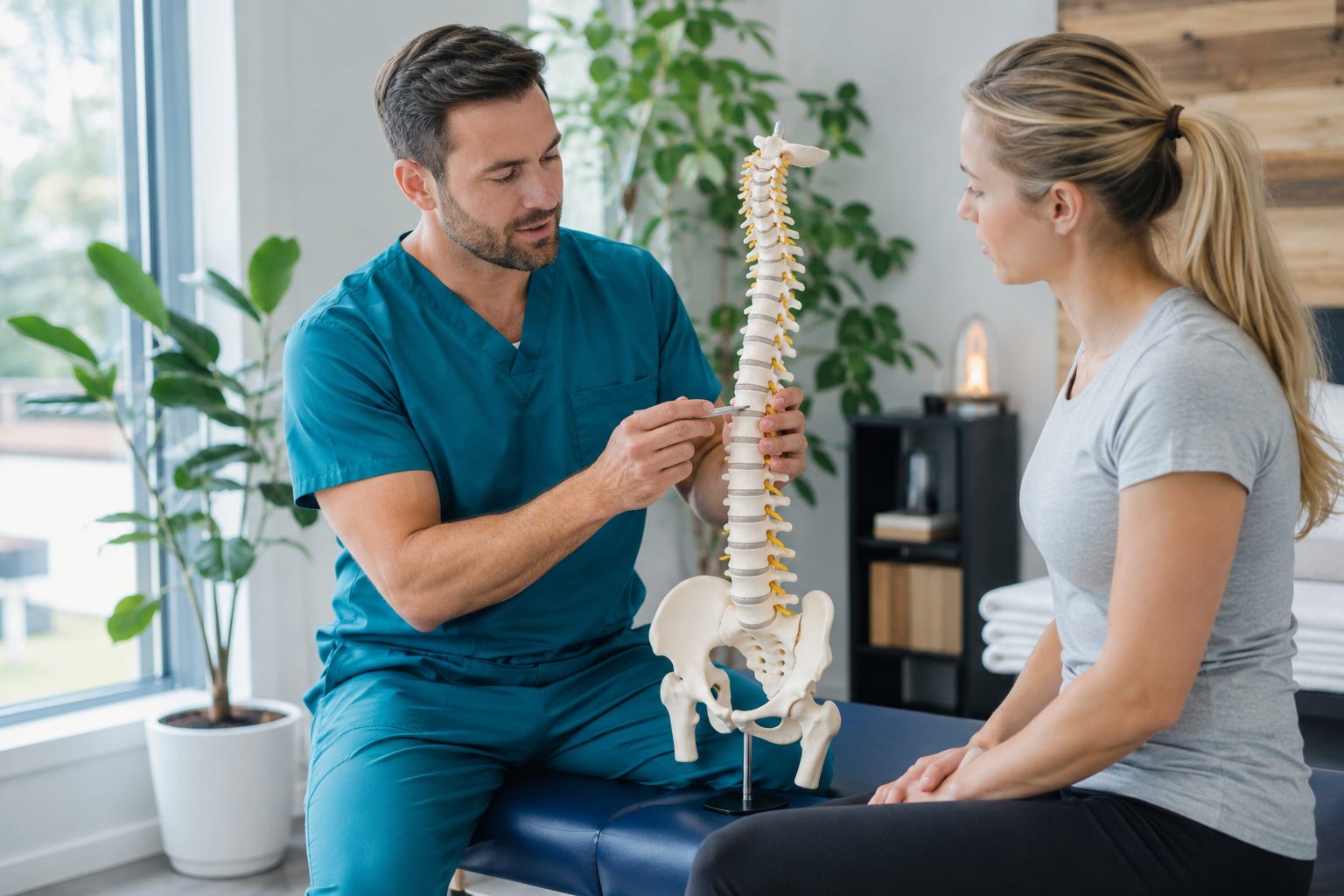
How Spinal Compensation Can Lead to Pain in Unexpected Areas
Spinal compensation occurs when one part of the body is misaligned or restricted, forcing other areas to adjust in order to maintain balance. While this
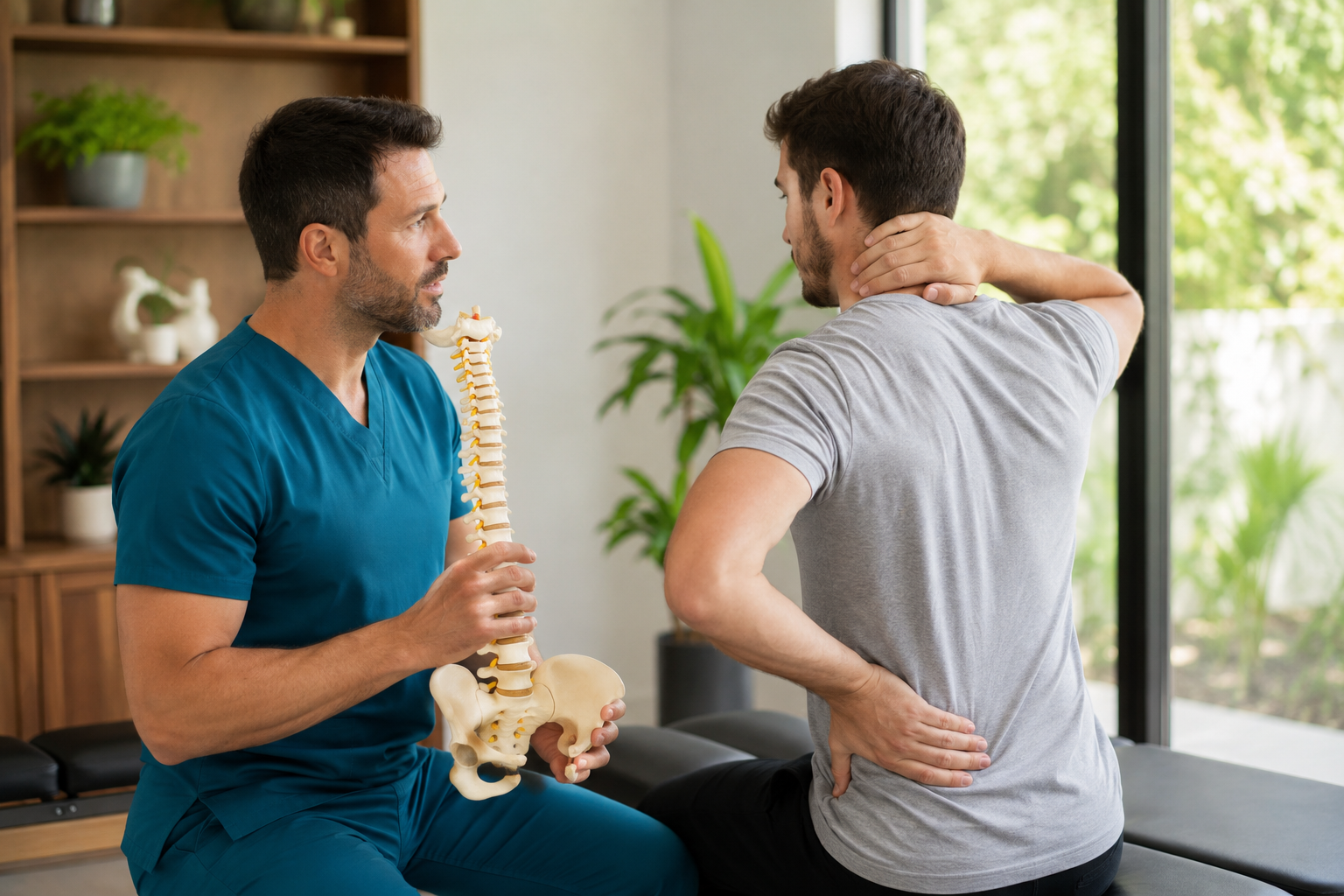
Why Is Pain Moving Around the Body Instead of Staying in One Place?
Pain that moves is often misunderstood. Many assume it means something new is going wrong each time discomfort appears in a different area. In reality,

Why Am I Leaning to One Side When I Stand or Walk?
If you’ve noticed yourself leaning to one side when standing or walking, it’s not something to ignore. While it may seem minor at first, this

Uneven Shoulders: Why One Shoulder Becomes Higher Than the Other
If you’ve ever noticed one shoulder sitting higher than the other, you’re not alone. Uneven shoulders are one of the most common posture-related issues people
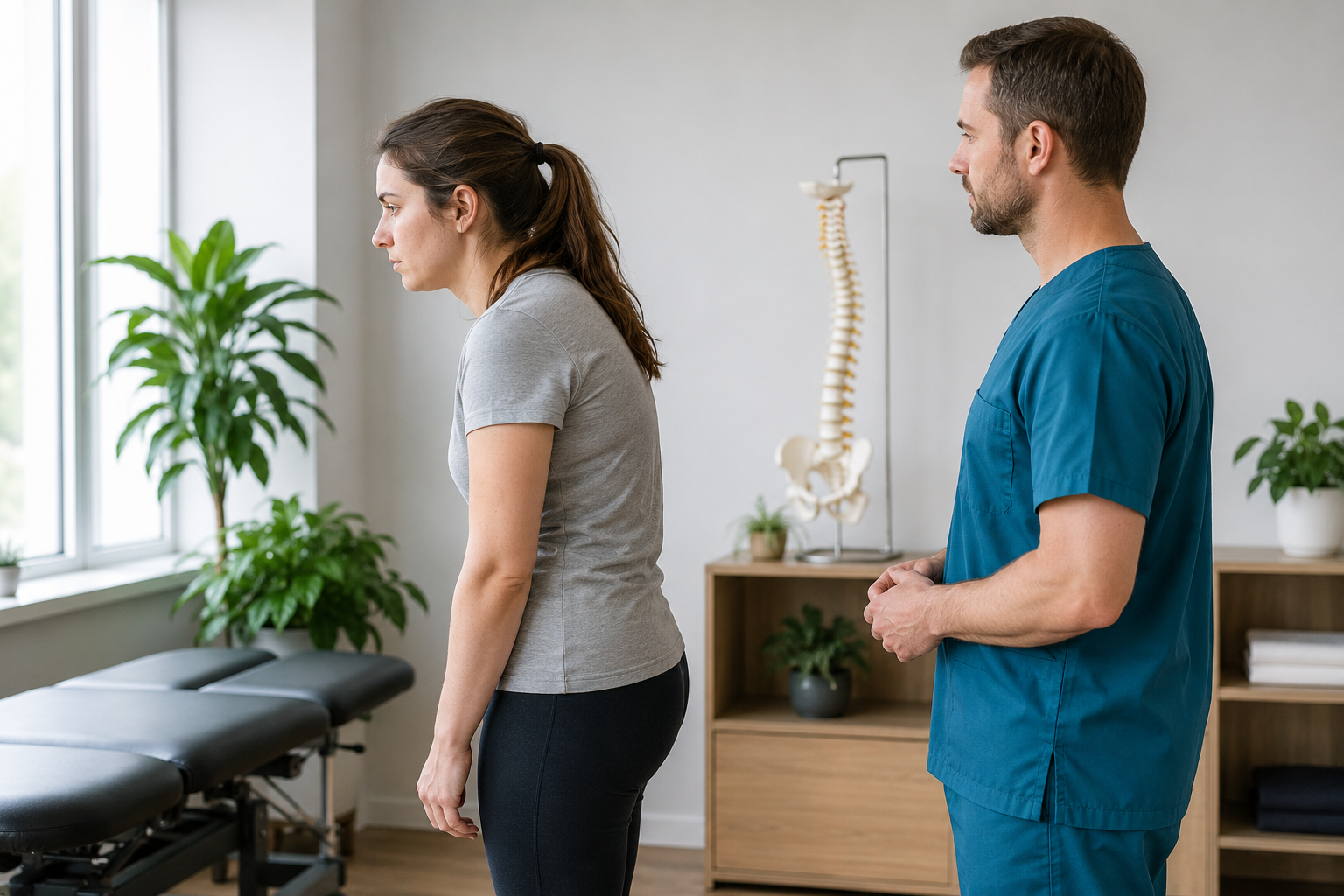
What Is Postural Collapse and Why Does It Keep Getting Worse?
Why Postural Collapse Is More Than Just “Bad Posture” Many people assume poor posture is just a habit—but postural collapse is far more complex. It